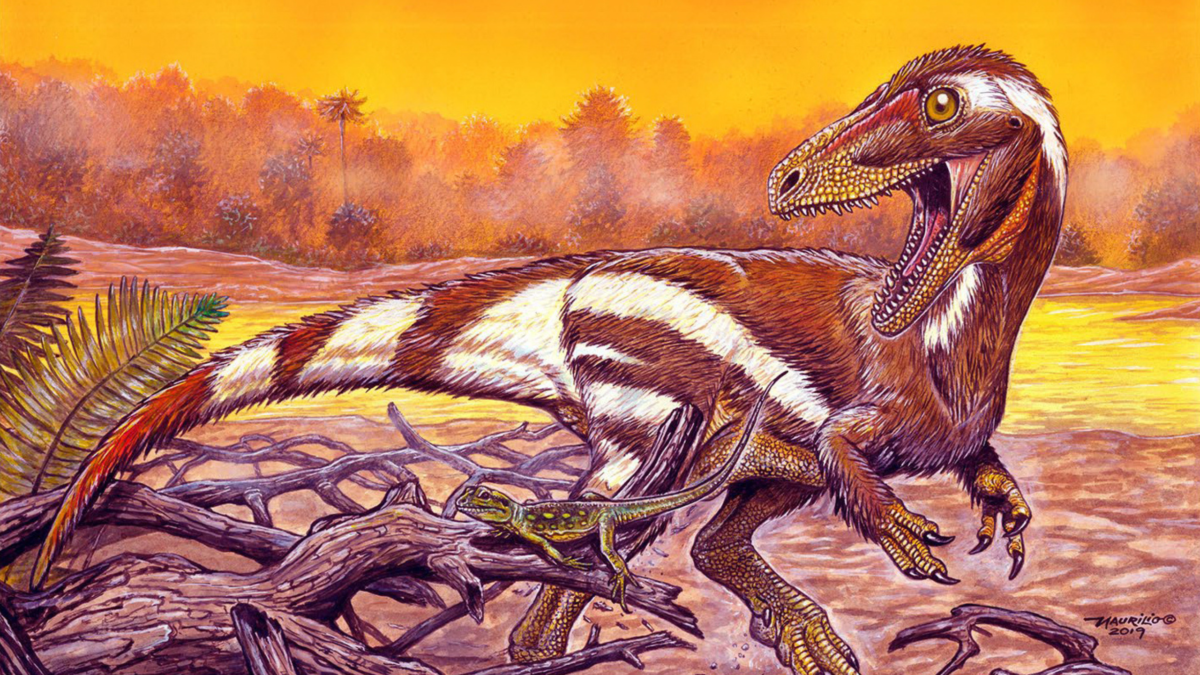
Recent discoveries in paleontology have unveiled a treasure trove of dinosaur remains, comprising not only bones but an array of other fascinating artifacts. Researchers have unearthed teeth, skin fragments, feathers, eggs, and even coprolites, which are fossilized dinosaur droppings. Each of these finds has significantly contributed to our understanding of these ancient creatures, shedding light on their biology, behavior, and the ecosystems they inhabited. The ongoing exploration of fossilized remains continues to paint a clearer picture of the diverse life forms that roamed the Earth millions of years ago, allowing scientists to piece together the evolutionary history of dinosaurs and their eventual extinction.
In a groundbreaking revelation, a team led by scientists at Curtin University made headlines with the discovery of what they believe to be dinosaur blood. This astonishing finding opens up new avenues for research, challenging previous assumptions about the preservation of organic materials over geological time scales. The presence of blood, if confirmed, could provide invaluable insights into the physiology and biochemistry of dinosaurs, offering clues about their metabolic processes and how they adapted to their environments. This discovery not only ignites excitement in the scientific community but also raises intriguing questions about the potential for recovering more organic materials from fossils that were previously thought to be too old for such preservation.
The implications of finding dinosaur blood extend far beyond mere curiosity; they could revolutionize our understanding of paleobiology. For instance, studying the components of this ancient blood could yield information about the dinosaurs' immune systems, reproductive behaviors, and even their growth patterns. Furthermore, it may lead to advancements in the field of de-extinction, as scientists explore the possibilities of using ancient DNA to bring back extinct species or understand the genetic makeup of modern birds, which are their closest living relatives. As researchers delve deeper into the molecular structure of the blood, they may uncover connections that bridge the gap between ancient and contemporary life forms.
As this discovery unfolds, it serves as a reminder of the ever-evolving nature of paleontological research. With each new finding, we are reminded of the complexities of Earth's history and the dynamic processes that have shaped life over millions of years. The quest to understand dinosaurs continues to captivate not only scientists but also the public imagination. As technology advances and our methodologies improve, we can anticipate even more remarkable discoveries that will further unravel the mysteries of these magnificent creatures that once dominated our planet. The exploration of dinosaur remains, including the recent revelation of blood, exemplifies the enduring allure of paleontology and its potential to deepen our knowledge of life’s ancient past.
Dinosaur Blood Cells Detected in 115-Million-Year-Old Fossil - ScienceAlert