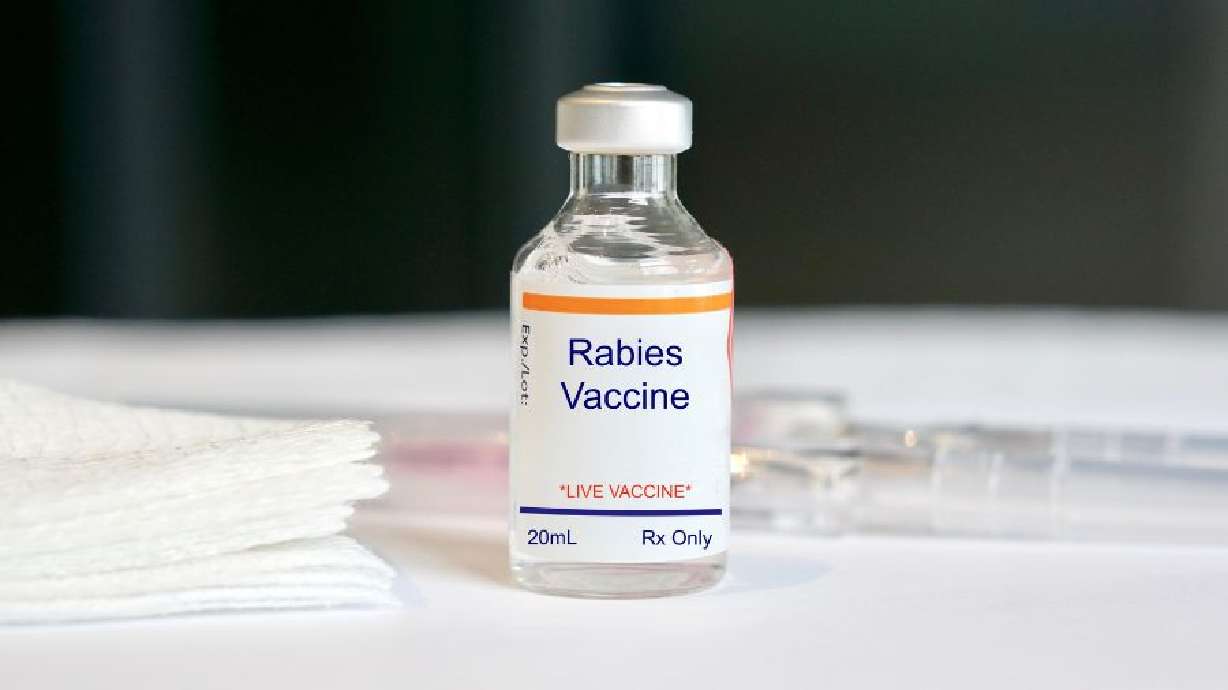
A recent announcement from the Central Utah Health Department has raised concerns among local residents after a cat found in an area outside of Delta was confirmed to have rabies. This alarming news underscores the ongoing risks associated with wildlife and the potential for rabies transmission to domestic animals. The cat, which was known to be both an indoor and outdoor pet, was suspected of contracting the virus through interactions with wildlife. Rabies is a viral disease that primarily affects mammals and is almost always fatal once symptoms appear, making the situation all the more urgent for pet owners in the area.
The health department's confirmation of the rabies case emphasizes the importance of vaccination for pets, especially those that have access to the outdoors. Rabies is typically spread through bites or scratches from infected animals, such as bats, raccoons, and skunks. Given that the cat was allowed to roam outside, there is a heightened risk that it may have come into contact with a rabid animal. Local veterinarians are urging pet owners to ensure that their pets are up to date on their rabies vaccinations and to monitor their behavior for any signs of illness. This incident serves as a reminder of the need for responsible pet ownership and awareness of the surrounding wildlife.
In response to the confirmed rabies case, the Central Utah Health Department is taking proactive measures to educate the public about the disease and its implications. They are providing information on how to recognize the symptoms of rabies in animals, which include aggression, excessive drooling, fear of water, and paralysis. Additionally, the health department is encouraging residents to report any suspicious behavior in wildlife or domestic animals to local authorities. This community engagement is crucial in preventing further cases of rabies and ensuring the safety of both pets and people in the region.
As the investigation continues, the health department is also working closely with local animal control agencies to monitor the area for any additional rabies cases. This collaborative effort is essential in addressing public health concerns and mitigating the spread of the virus. Pet owners are being advised to keep their pets indoors as much as possible and to avoid contact with wild animals. By taking these precautions and staying informed about the risks of rabies, the Delta community can work together to protect their furry companions and promote a safer environment for all.
Indoor/outdoor cat near Delta tests positive for rabies - KSL