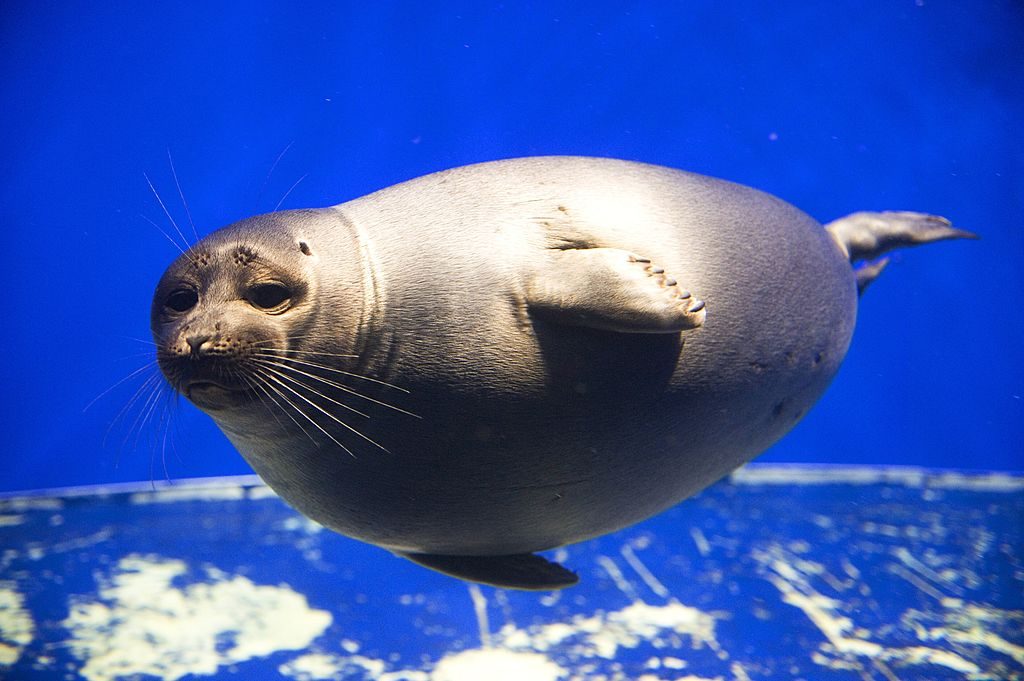
Deep in the Russian wilderness, over 3,000 kilometers from the nearest ocean, a remarkable colony of 100,000 seals thrives on the frigid waters of Lake Baikal. These seals, known in Russian as "nerpas," are unique in that they are the only freshwater seal species in the world. Lake Baikal itself is not only the deepest and oldest freshwater lake on the planet, but it also contains about 20% of the Earth's unfrozen surface freshwater. The nerpas have adapted to this isolated environment, developing distinct characteristics and behaviors that set them apart from their marine counterparts. Their presence is a testament to the adaptability of nature and the intricate ecosystems that can arise in even the most unlikely locations.
The Baikal seal exhibits a number of fascinating adaptations that allow it to thrive in this cold and isolated habitat. With a thick layer of blubber and a dense fur coat, the nerpa is well-equipped to withstand the harsh winters when temperatures can plunge to as low as -30 degrees Celsius. They are excellent swimmers, capable of diving to depths of over 200 meters while hunting for their primary diet of fish, such as the endemic Baikal omul. The seals are also known for their remarkable agility, often seen leaping gracefully through the icy waters as they chase their prey. Their survival strategies are further enhanced by their ability to use air holes in the ice for breathing, which they skillfully maintain throughout the winter months.
Reproduction among Baikal seals is yet another fascinating aspect of their biology. Mating typically occurs in the spring, and after a gestation period of around 11 months, females give birth to pups on the ice. These pups are born with a thick layer of white fur that helps them blend into their snowy surroundings, providing essential camouflage from predators. Mothers are fiercely protective and will nurse their young for several months, teaching them vital survival skills during this crucial period. The bonding process between mother and pup is critical; it not only ensures the pup's survival but also reinforces the strong social structures that exist within the seal colonies.
The Baikal seal population is currently facing various threats that could jeopardize its future. Climate change poses a significant risk, as rising temperatures can lead to reduced ice coverage on the lake and alter the delicate balance of the ecosystem. Additionally, human activities such as fishing, pollution, and tourism can further stress this unique population. Conservation efforts are underway to protect the nerpas and their habitat, but ongoing monitoring and research are essential to ensure that these seals continue to thrive in their remarkable freshwater home. The Baikal seal serves as an emblem of the rich biodiversity found within Lake Baikal, highlighting the importance of preserving this extraordinary natural wonder for future generations.
The seals that shouldn't exist: How did 100,000 end up trapped in the middle of Siberia, a whopping 2,000 miles from the ocean? - BBC Wildlife Magazine