Find a Used Tesla Model Y Under $40K: Smart Buyer Guide
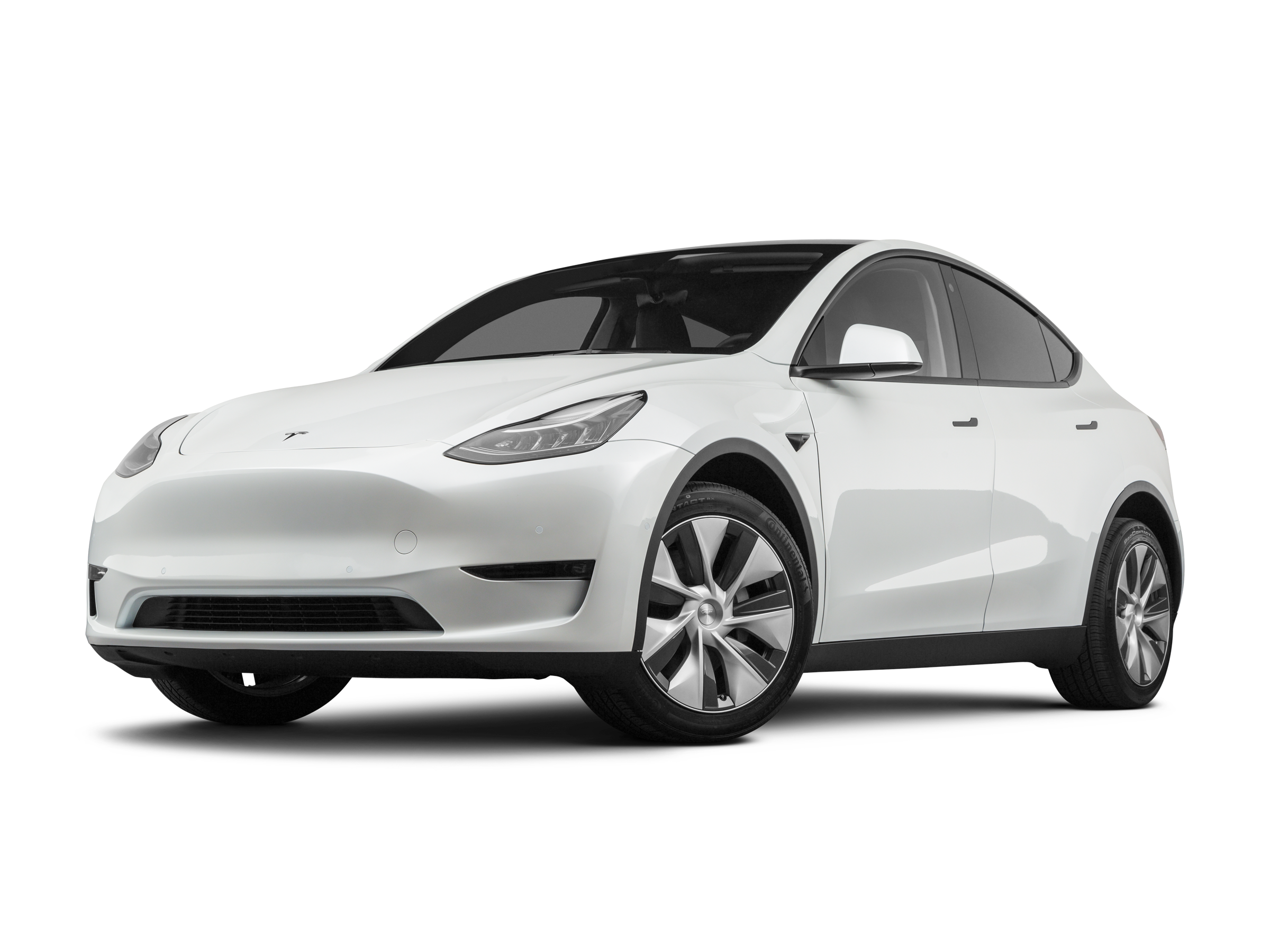
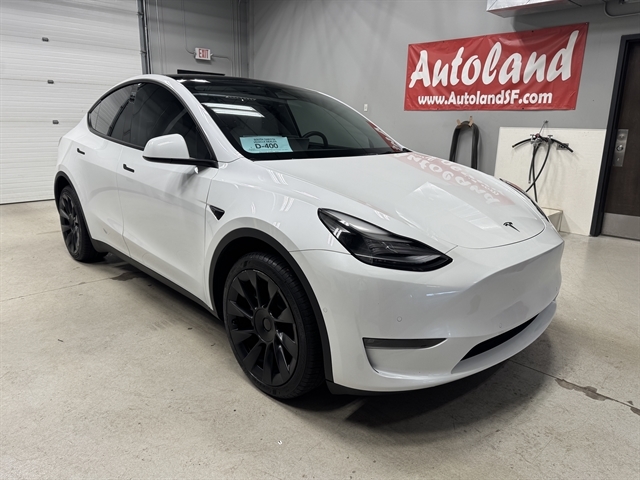
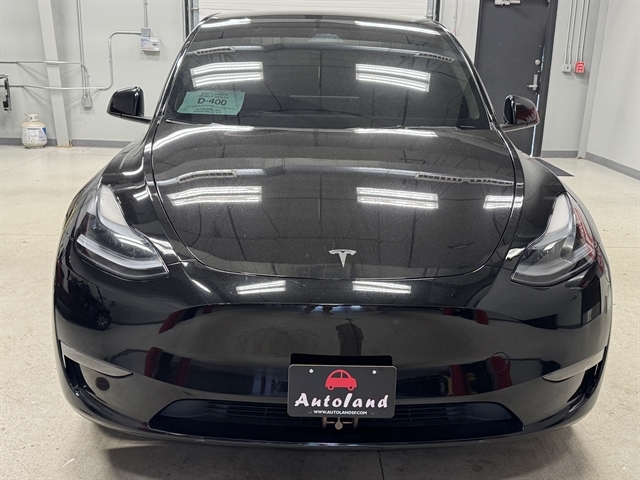
Yes—you can score a used Tesla Model Y under $40,000 without compromising on tech, performance, or peace of mind.
This guide walks tech-savvy, value-conscious buyers through what to target, how to evaluate battery health and mileage, where pricing sits today, and how to stack warranties and incentives to land a premium electric SUV for less.Why sub-$40K Model Y deals exist now
Used EV prices cooled through late 2023 and 2024 as higher production, price cuts on new EVs, and improving supply increased options across the board. That means earlier Model Y builds (2020–2022) and some 2023 Standard Range cars now appear in the high-$30Ks to just under $40K, especially with moderate to higher mileage.
Depreciation hits performance trims and higher-mileage highway commuters first, while software-equipped cars (with premium connectivity, EAP/FSD, etc.) sometimes sell for less if those features aren’t valued by the next buyer—creating negotiation leverage. If you’re flexible on color, wheels, and audio packages, you can find serious value in clean, one-owner vehicles coming off lease or corporate fleets.
What trims, years, and mileage to target
For the best balance of price and capability under $40K, focus on:
- 2020–2022 Long Range AWD: Often in the $34K–$40K range with 45,000–85,000 miles. Expect 316–330 miles EPA when new; real-world range will be a bit lower depending on battery health and tires.
- 2023 Standard Range (RWD/AWD, 4680-pack in some builds): Occasionally dips to the $36K–$40K band with 10,000–40,000 miles. Lower range than LR, but typically newer with more warranty remaining.
- 2020–2021 Performance: Sub-$40K examples appear with higher mileage (70,000+). They deliver the strongest acceleration but may carry pricier tire/suspension wear.
Tip: If you commute mostly in-city or have home charging, a Standard Range can be a sweet spot—lighter, efficient, and newer for the money. If you road-trip often, target a Long Range AWD with a documented charging history and healthy rated range.
Battery health: how to assess it quickly
What healthy looks like
Most Model Y packs show modest degradation—commonly 5–10% after 50,000 miles—when mostly AC-charged and kept between ~10–80% state of charge for daily use. Consistent fast-charging, frequent 100% holds, extreme heat, and poor tire maintenance can accelerate wear.
Simple checks any buyer can do
- Rated range at 100%: Ask the seller to charge to 100% before your visit and share the displayed rated miles. Compare to the car’s original EPA rating to estimate degradation.
- Charging history: Look for majority home/work Level 2 charging, with DC fast-charging used for trips. This pattern generally correlates with slower degradation.
- Software and BMS: Cars on current firmware tend to report range more accurately; after ownership, run a few 10–90% cycles to help the BMS recalibrate if needed.
- Thermal system: Verify cabin and battery preconditioning works; listen for the heat pump and check that Supercharging prep engages when routing to a Supercharger.
Mileage and wear: what matters on an EV
EVs age differently than gas cars. Brakes last longer thanks to regen, but heavy vehicles like the Model Y can go through tires faster—especially on Performance trims or with frequent spirited driving. Inspect for even wear and budget $1,000–$1,400 for a quality set when due.
On a test drive, listen for suspension clunks over speed bumps, check alignment (does it track straight, are the wheel rims scuffed), and verify that all doors, the hatch, and the glass roof seal cleanly. Inside, ensure Bluetooth, cameras, speakers, and heated seats/steering wheel function as expected.
Warranty and coverage to verify
Tesla warranties follow the vehicle, not the owner. Confirm in-service date and remaining coverage using the VIN and service records. See Tesla’s official warranty details here.
- Basic warranty: 4 years/50,000 miles from in-service date.
- Battery & drive unit: Model Y Long Range/Performance: 8 years/120,000 miles (70% retention); RWD/Standard Range: 8 years/100,000 miles (70% retention).
- Used from Tesla: Tesla’s used program typically includes the balance of original coverage; confirm any additional limited used warranty terms at purchase time.
Note: Aftermarket EV warranties exist but vary widely in coverage and claim experience. If you buy one, make sure the contract explicitly covers high-voltage components and onboard chargers.
Software, Autopilot, and hardware notes
Every Model Y includes basic Autopilot. Some cars carry Enhanced Autopilot (EAP) or Full Self-Driving (FSD) from the factory; the license usually stays with the car in private sales but may not be present on Tesla trade-ins. Treat FSD as a nice-to-have rather than a price driver unless you value it heavily.
Hardware varies by build date: most sub-$40K cars will have HW3. HW4 appears on some 2023+ builds and improves camera hardware, but software capability depends on Tesla’s ongoing releases. Whether HW3 or HW4, ensure cameras are clear, calibration completes after a reset, and all ADAS features function on a test drive.
Pricing trends and how to value a listing
Benchmark asking prices using multiple sources, then factor condition and options. A practical approach:
- Start with a pricing baseline (e.g., KBB Model Y values) for year, mileage, and trim.
- Compare against regional listings and national shipping options. Freight can be worth it if condition is superior.
- Adjust for consumables: subtract for near-term tires, brake service, and any curb rash or windshield chips.
- Account for software: premium connectivity, EAP/FSD, tow hitch, and upgraded wheels influence value differently by buyer—don’t overpay for features you won’t use.
Targets: Long Range AWD (2020–2022) in good condition commonly transact $35K–$40K depending on mileage and options. 2023 Standard Range models can land $36K–$40K with lower miles but shorter range.
Tax credits, incentives, and fees
The federal used EV credit offers up to $4,000 (or 30% of the sale price, whichever is less) for qualifying buyers and vehicles under $25,000—so most sub-$40K Model Y listings won’t qualify. However, income and dealer requirements apply; check official eligibility on the IRS page for used EVs here.
Don’t overlook local perks: some states and utilities offer rebates for used EVs or home charging equipment, and a few states (e.g., New Jersey) waive sales tax on zero-emission vehicles. Research your zip code via your state energy office or utility sites, and watch for point-of-sale rebates that reduce cash due at signing.
Inspection checklist for a confident buy
- Battery & charging: Rated range at 100%; verify Supercharging speed and home Level 2 operation during the visit if possible.
- Thermal system: Heat and AC performance; no warnings; preconditioning works.
- Tires & brakes: Tread depth, even wear, rotor surface rust (light surface rust is normal after rain).
- Suspension & alignment: No clunks; tracks straight; steering centered.
- Body & glass: Panel alignment, hatch operation, glass roof and windshield free of cracks/chips.
- Interior tech: Cameras, sensors, USB ports, Bluetooth, heated seats/steering, audio system.
- Software: Confirm latest stable firmware and that premium connectivity status matches the listing.
- Recalls: Run the VIN on the NHTSA recall search here and ensure required updates are applied.
- Records: Ask for service history and any Supercharging receipts for road trips—pattern matters more than a single fast-charge session.
Where to shop and how to compare
Tesla Used Inventory: Often pricier than private party but with streamlined paperwork, remote inspection photos, and delivery options. Vehicles typically get software updates and basic reconditioning.
Private party or marketplace listings: Best for deals if you’re diligent. Prioritize cars with clean titles, complete service records, clear photos of tires and interior, and sellers willing to facilitate a 100% charge reading and a supervised fast-charge test.
Certified and independent dealers: Can be competitive when they price to market. Ask about return windows, arbitration policies, and whether they support the 2024+ point-of-sale transfer for applicable credits on qualifying vehicles.
Offer strategy
- Show up informed with comps, tire/brake estimates, and your financing pre-approval.
- Use objective findings—battery’s displayed 100% range, tread depth, minor cosmetic issues—to justify your offer.
- Be flexible on color and wheels, firm on battery health and accident history.
- If two similar cars are close in price, pay a bit more for lower DC fast-charging usage and better tires—it pays you back in range and comfort.
Bottom line
Finding a used Tesla Model Y under $40,000 is absolutely achievable if you focus on the right trims and mileages, verify battery health and warranty, and price against market data. With a structured inspection and a smart offer, commuters, urban professionals, and families can step into a premium, tech-forward electric SUV—without the new-car price tag.
 Used
Used
 Used
Used
 Used
Used
 Used
Used
 Used
Used
 Used
Used