Best Used Kia Cars Under $15,000: Models, Years, Tips
Buying a reliable used Kia under $15,000 is easier than ever thanks to stronger reliability, generous warranties, and a big selection of compact cars and crossovers.
This guide highlights the best models, model years, and trims to target—along with practical shopping, inspection, and negotiation strategies—so you can land a dependable Kia without overspending.Why Kia is a smart used-car choice
Reliability has improved dramatically. Over the last decade, Kia has worked its way up mainstream dependability rankings, with newer generations showing fewer issues and better build quality. That makes late-2010s Kia models compelling used buys for first-time drivers, commuters, and families seeking value.
Long factory coverage helps second owners. New Kias carry a 10-year/100,000-mile powertrain warranty (from the original in-service date) and a 5-year/60,000-mile basic warranty. If you buy a car still within those limits, you benefit from the remaining coverage. Kia’s Certified Pre-Owned program also adds inspection and extra protection—worth pricing out when comparing similar cars at the official Kia CPO site.
Lots of budget-friendly body styles. Kia’s lineup includes many small cars and crossovers that keep costs down: the Rio and Forte for efficiency, the Soul for space and style, the Optima sedan for comfort, and the Sportage or Niro for those who want crossover practicality. Many 2017–2019 models include available safety tech and smartphone integration that older rivals lack.
Best used Kia models under $15,000
Kia Soul (2014–2019)
Why it’s great: Boxy cargo area, upright seating, simple mechanics, and high owner satisfaction. Most shoppers can find a 2016–2019 Soul 2.0L within budget, often with Apple CarPlay/Android Auto on 2017+ models. Trims to target: + (Plus) for features; base for lowest price. The 1.6T in the ! (Exclaim) is peppier but often priced higher; prioritize maintenance history.
Common features: Bluetooth, backup camera (widespread by 2016+), available heated seats/steering wheel, and strong safety scores for a small car.
Kia Forte (2017–2020)
Why it’s great: Comfortable ride, good fuel economy, and lots of tech for the money. The 2017–2018 Forte LX/S are frequent sub-$15K finds; some early 2019s with higher miles also fit. Look for S or EX trims for upgraded infotainment and available safety features.
Common features: 7-inch touchscreen with CarPlay/Android Auto (2017+ on many trims), available blind-spot monitoring, lane-keep assist, and automatic emergency braking on late-2018+ examples.
Kia Rio (2018–2020)
Why it’s great: One of the strongest values for commuters and first-time buyers. The 2018 redesign brought a better cabin and improved crash performance. LX and S trims commonly fall well under $15K while delivering excellent MPG and low insurance costs.
Common features: Reliable 1.6L engine, simple controls, smartphone integration on many S trims, and manageable maintenance costs.
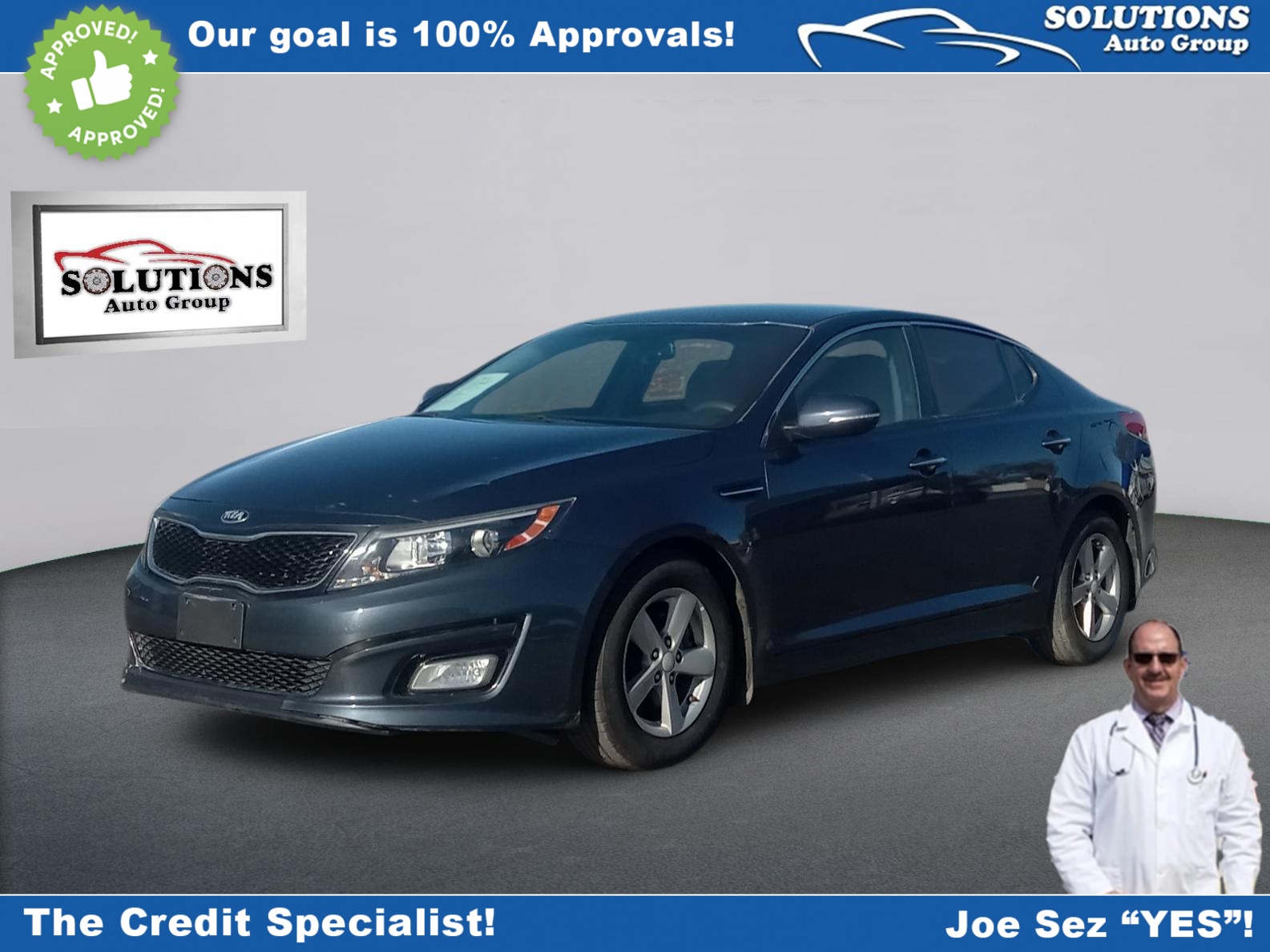
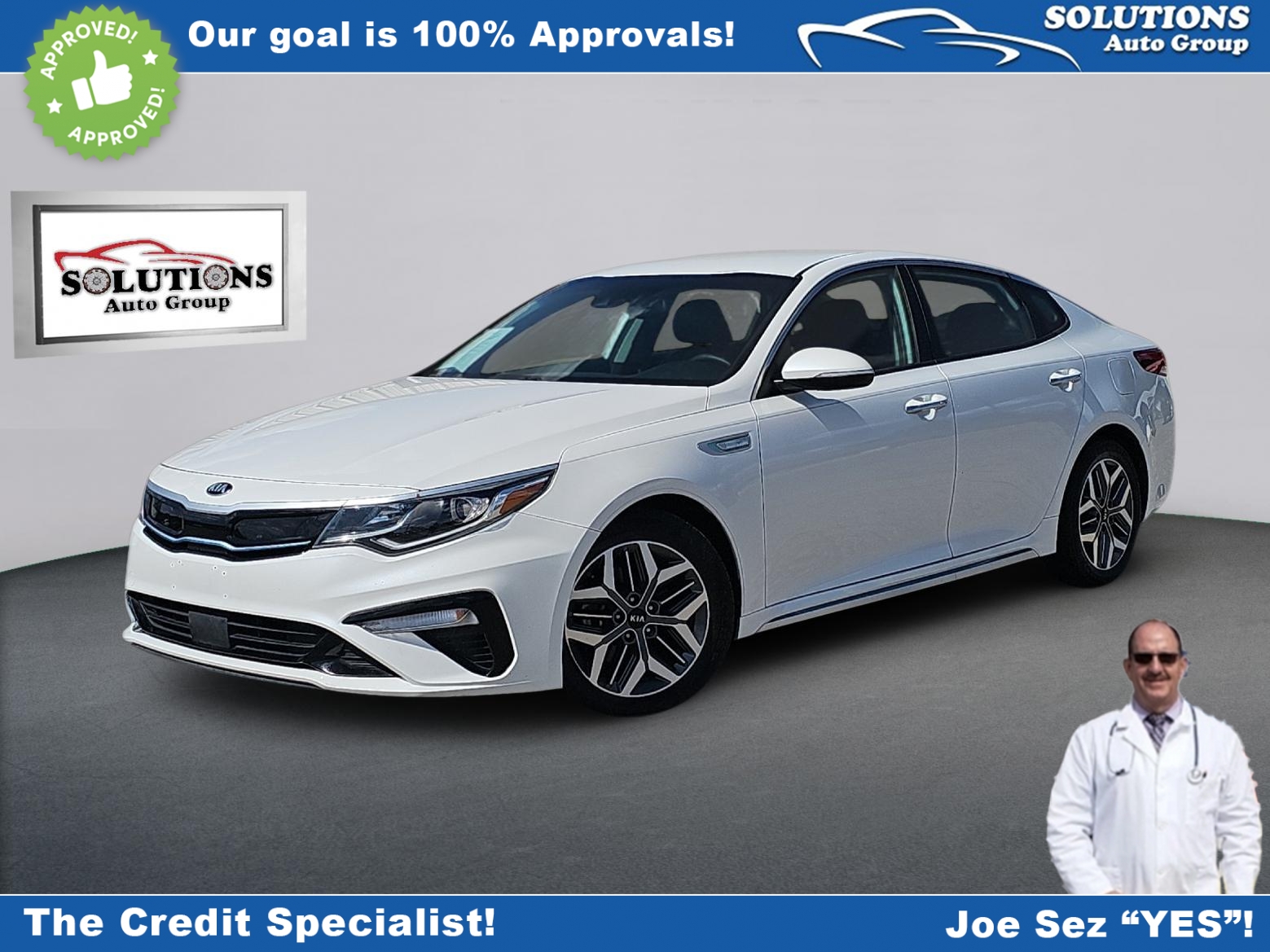
Kia Optima (2016–2018)
Why it’s great: Roomy midsize sedan with a quiet ride and upscale features. The 2016 redesign improved refinement and safety. LX and EX trims often land in the $10K–$15K range depending on miles and condition.
Buyer notes: As with many midsize sedans of the era, check for completed recalls and engine service history. Favor cars with documented oil changes and a clean pre-purchase inspection; the value equation is excellent when maintenance is proven.
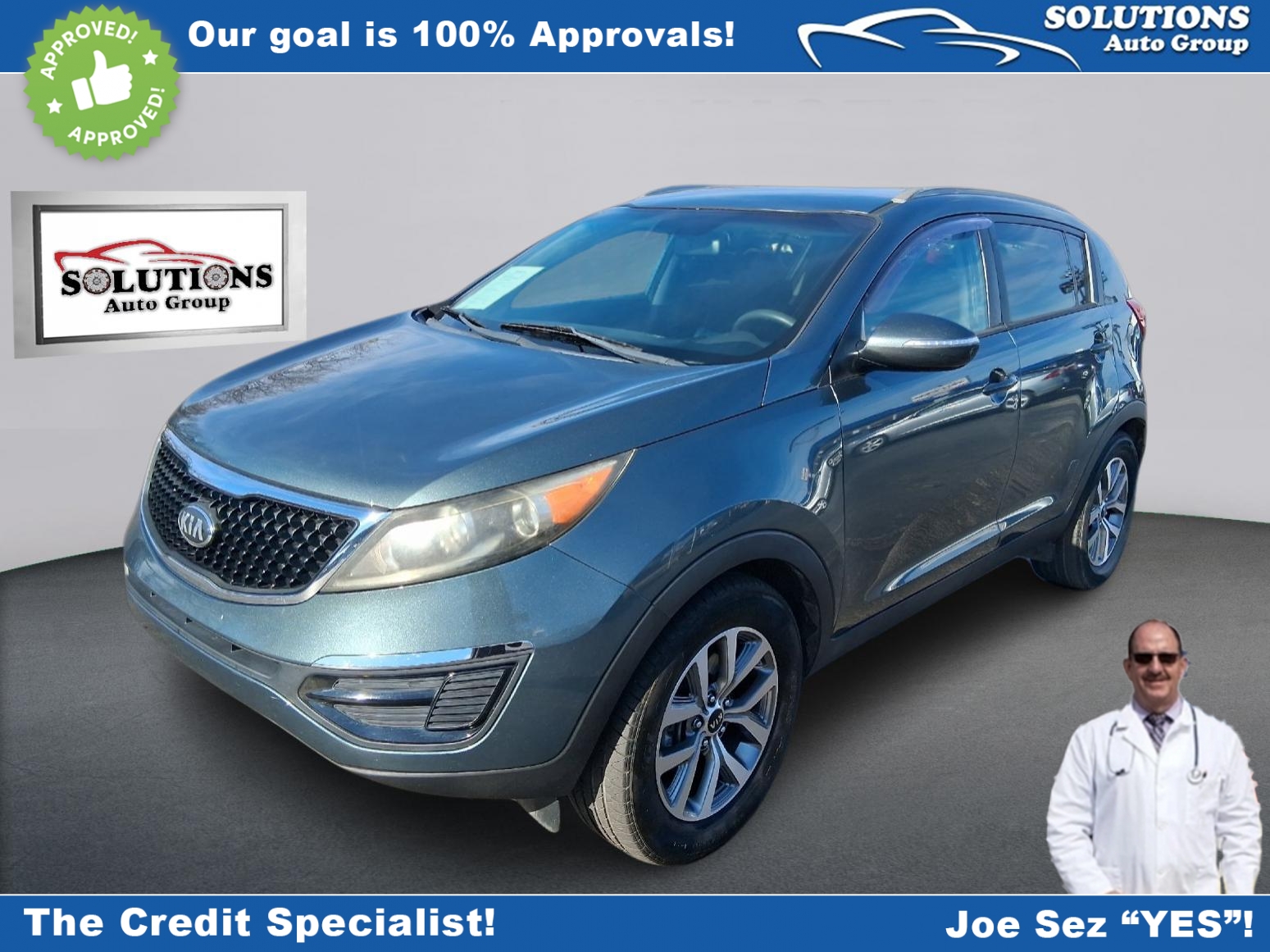
Kia Sportage (2014–2018)
Why it’s great: Compact crossover comfort with available AWD. 2017–2018 models are the sweet spot for safety and tech, though earlier 2014–2016 examples with good records can be bargains. Base LX trims with FWD usually price under $15K fastest.
Common features: Backup camera, available heated seats, and driver-assistance tech on later years. FWD is more budget-friendly and cheaper to maintain than AWD.
Kia Niro Hybrid (2017–2018, selective)
Why it’s great: Stellar fuel economy with hatchback practicality. Early 2017–2018 Niro LX/EX models occasionally dip near $15K in certain markets, especially with higher mileage. If you find one with good records, it’s a commuter’s dream.
Buyer notes: Verify hybrid system warranty status based on original in-service date and mileage, and ensure scheduled hybrid maintenance was performed.
Trims and features that deliver value
- Safety tech: Prioritize cars with automatic emergency braking, lane-keep assist, blind-spot monitoring, and rear cross-traffic alert—widely available on 2017–2019 Kias.
- Smartphone integration: Apple CarPlay/Android Auto arrived on many 2017+ models (Forte, Soul, Rio). It future-proofs navigation and music.
- Must-haves vs. nice-to-haves: Heated seats and sunroofs are nice, but choosing FWD over AWD or a base trim can keep you well under $15K without sacrificing reliability.
- Wheel size: Smaller wheels/tires ride better and cost less to replace—helpful for student and commuter budgets.
Where to search and how to shop smart
Set an out-the-door (OTD) budget first. Include taxes, registration, and potential repairs or tires. Getting a credit union pre-approval keeps you focused and strengthens your negotiating position.
Cast a wide net online. Compare listings on trusted marketplaces like Autotrader, Cars.com, and CarGurus. Private-party deals on Facebook Marketplace can be cheaper, but make sure you can verify maintenance records and ownership.
Save and sort smartly. Use alerts for target models/years, filter for “one-owner” and “no accidents,” and expand your search radius by 100–200 miles if possible. A road trip can save thousands.
Inspect before you buy: a quick checklist
- Run a VIN recall check: Use the official tool at NHTSA.gov/recalls to confirm all recalls are completed.
- Get a pre-purchase inspection (PPI): A trusted independent mechanic can spot leaks, suspension wear, brake and tire needs, and software calibration issues. Expect $100–$200 well spent.
- Verify maintenance history: Ask for service records; favor regular oil changes and documented major services (coolant, transmission fluid where applicable).
- Test drive thoroughly: Cold start, highway merge, hard braking, tight turns, A/C performance, and infotainment functions. Note vibrations, warning lights, or transmission hesitation.
- Warranty check: If shopping dealer inventory, compare a well-priced standard used car to a Kia Certified Pre-Owned unit. CPO can be worth a small premium.
Negotiation tips to stay under $15K
- Know true market value: Bring printed comps for similar year/miles. Show you’re flexible on color/trim to unlock better pricing.
- Lead with an OTD offer: Negotiate total price including taxes/fees to avoid surprises. Be ready to walk if the numbers drift.
- Use your PPI: Quote any needed tires, brakes, or fluid services; ask the seller to address them or adjust the price.
- Time it right: End of month/quarter and bad-weather days often favor buyers. Calling ahead to confirm availability saves time.
- Trade-offs that save money: FWD vs. AWD, cloth vs. leather, and one trim down from “loaded” can preserve quality while trimming thousands.
Budget levers that keep quality high
- Mileage vs. model year: A well-maintained 2018 with 95k miles can be a smarter buy than a neglected 2016 with 65k. Maintenance beats mileage.
- Body style flexibility: Sedans (Optima, Forte) typically cost less than comparable crossovers (Sportage, Niro). If you don’t need extra ride height, you’ll save.
- Trim discipline: Base and mid-level trims are often the sweet spot. Spend on safety and reliability first; luxury extras later.
- Fuel economy matters: Rio, Forte, and Niro can cut monthly fuel costs—important for students and commuters balancing tight budgets.
Final take
Thanks to improved reliability, long warranties, and a deep bench of efficient small cars and crossovers, Kia has become a smart choice for value seekers. Focus on well-kept 2016–2019 models like the Soul, Forte, Rio, Optima, and Sportage, verify maintenance and recalls, and let a solid PPI guide your negotiation. With the right search strategy and a disciplined OTD budget, finding a reliable Kia under $15,000 is absolutely within reach.
 Used
Used
 Used
Used
 Used
Used
 Used
Used
 Used
Used
 Used
Used
Used
Used
Used
Used
Used
Used