The Centers for Disease Control and Prevention (CDC), a pivotal agency in the United States for public health, was anticipated to unveil a significant study last month that would substantiate the efficacy of Covid vaccines in minimizing the risk of severe illness. This study, which had generated considerable interest among health professionals and the general public alike, was expected to provide critical insights into how vaccination can affect the course of the pandemic, particularly in the context of emerging variants and fluctuating infection rates. The findings were poised to reinforce the narrative that vaccination remains a key tool in combating the Covid-19 crisis, potentially influencing public health policies and vaccination campaigns across the nation.
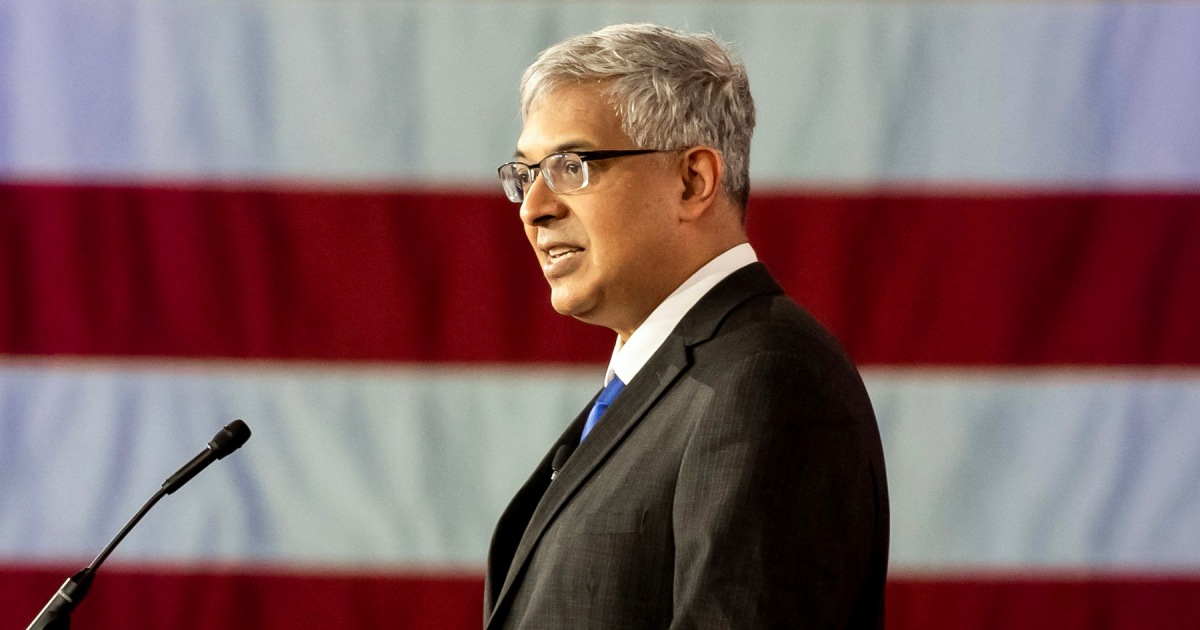
However, the release of this vital study was unexpectedly delayed by Dr. Jay Bhattacharya, the acting director of the CDC. This decision raised questions and concerns about the agency's transparency and its commitment to disseminating scientific findings, especially in a time of urgent need for clear public health guidance. The delay prompted speculation among experts and commentators regarding the reasons behind it, with some suggesting that political considerations or ongoing debates about vaccine efficacy may have played a role. Dr. Bhattacharya's decision to hold back the study sparked discussions on the balance between scientific integrity and public communication, particularly in a polarized environment where vaccine hesitancy remains a significant barrier to achieving widespread immunity.
As the CDC navigates these complex issues, the importance of timely and transparent communication cannot be overstated. Public trust in health authorities is crucial during a pandemic, and any perceived lack of transparency can exacerbate skepticism about vaccines and public health recommendations. Moreover, the delay has implications beyond just this single study; it highlights the broader challenges faced by public health institutions in managing information flow while also engaging with the political and social contexts that influence health behaviors. The CDC's ability to effectively communicate the benefits of vaccination and other public health measures is essential for encouraging widespread participation in vaccination programs, which are vital to controlling the spread of Covid-19 and its variants.
Moving forward, it is imperative for the CDC to address the concerns raised by the delay and reaffirm its commitment to scientific transparency. The agency must prioritize the dissemination of research findings that can inform public understanding and decision-making regarding Covid-19 vaccinations. In a rapidly evolving pandemic landscape, timely access to accurate information about vaccine efficacy and safety can empower individuals to make informed choices about their health. Ultimately, the goal remains clear: to protect public health and save lives through effective communication and the promotion of vaccination as a cornerstone of pandemic response efforts. The CDC must work diligently to restore confidence in its role as a trusted source of health information, ensuring that science remains at the forefront of public health discourse.
Acting CDC director delayed release of study showing benefit of Covid vaccines - NBC News