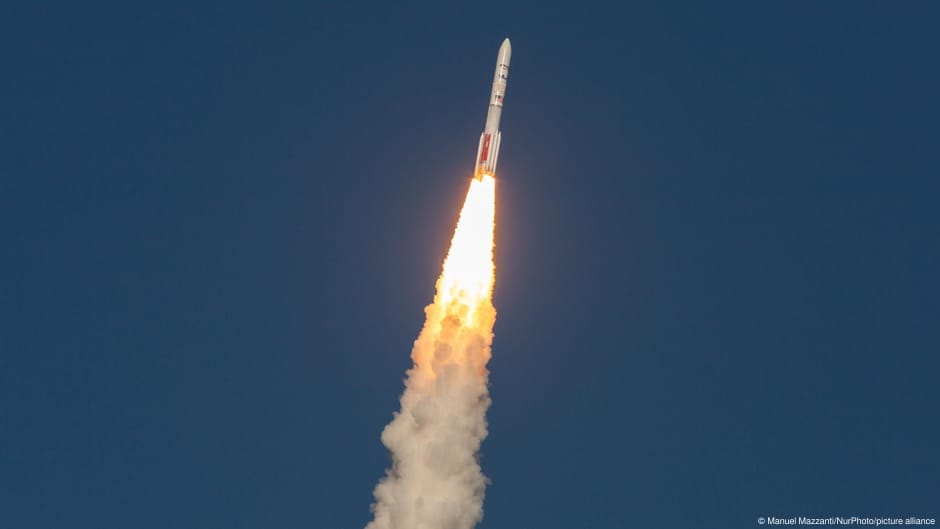
On a pivotal day for the space industry, a Vulcan rocket operated by United Launch Alliance (ULA) encountered a significant setback as it failed approximately 10 minutes after liftoff from Cape Canaveral Space Force Station. This launch, which took place on a Sunday morning, was highly anticipated and marked a crucial step in ULA's plans to enhance its competitive edge in the burgeoning space launch market. The Vulcan Centaur rocket is designed to deliver payloads to orbit more efficiently and cost-effectively, and its launch was expected to demonstrate ULA’s advancements in technology and reliability. Unfortunately, the mission did not go as planned, raising questions about the rocket's performance and the implications for future missions.
Initial reports indicated that the rocket experienced a failure at a critical phase of its ascent, prompting immediate concerns from engineers and mission control. The Vulcan rocket, which has been in development for several years, was intended to replace ULA's aging Atlas and Delta rocket families, thereby streamlining their offerings and addressing the increasing demand for satellite launches. Following the incident, ULA's leadership expressed their commitment to a thorough investigation to determine the root cause of the failure. Such incidents, while disappointing, are not uncommon in the aerospace industry, where technological innovation often comes with inherent risks.
In light of this failure, ULA will likely face increased scrutiny from both industry analysts and potential customers. The competitive landscape for satellite launches has intensified, with new players entering the market and established companies like SpaceX consistently pushing the envelope with frequent and successful launches. ULA's ability to recover from this setback and implement necessary changes will be critical in maintaining its reputation for reliability and securing future contracts. The aerospace community will be closely monitoring ULA's next steps as the company navigates this challenge and works to restore confidence in its Vulcan rocket program.
Despite the disappointment of this launch, the ULA team remains optimistic about the future of their space exploration endeavors. The development of the Vulcan rocket has been a significant investment and represents a major leap forward in rocket technology, featuring innovations such as a new engine design and enhanced payload capacity. ULA has emphasized that advancements in aerospace technology often come with hurdles, and overcoming these challenges is part of the journey toward achieving reliable and sustainable access to space. As the investigation unfolds, the company is likely to leverage lessons learned to improve the Vulcan's design and operations, ensuring that future missions can successfully fulfill their objectives and contribute to a new era of space exploration.
Amazon loses 40 Leo satellites as Boeing-Lockheed rocket fails - DW.com