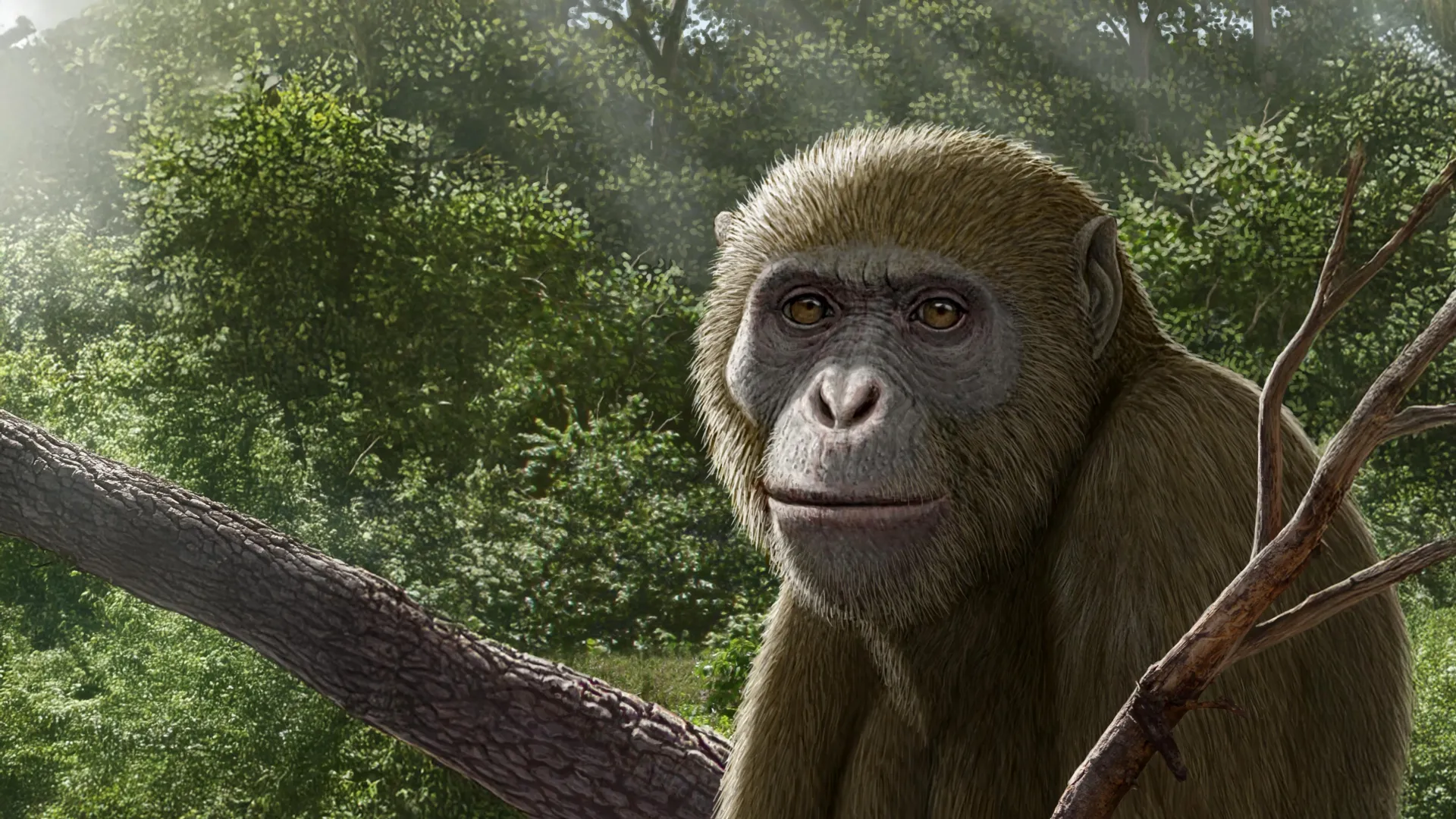
An international team of researchers has made a groundbreaking discovery with the identification of a previously unknown fossil ape, which they have named Masripithecus moghraensis. This species is believed to have inhabited regions that are now part of North Africa approximately 17 to 18 million years ago, during the Early Miocene epoch. The discovery is significant as it sheds light on the evolutionary history of apes and their diversification during a critical period when many modern species began to emerge. The fossil remains, which include well-preserved cranial and dental elements, provide vital clues about the anatomical characteristics and ecological adaptations of this ancient primate.
The fossils of Masripithecus moghraensis were unearthed in the Moghra region of Egypt, an area that has been relatively under-explored in terms of paleontological research. The geological context in which the fossils were found suggests that this area was once a lush habitat, conducive to the thriving of diverse flora and fauna. The researchers believe that the climatic and environmental conditions of the Early Miocene played a crucial role in the evolutionary trajectory of many ape species, including Masripithecus moghraensis. This discovery not only adds to the existing fossil record but also highlights the importance of North Africa as a significant region for understanding primate evolution during this period.
Morphologically, Masripithecus moghraensis exhibits several unique features that distinguish it from other known ape species. The shape and size of its dental structures suggest that it had a varied diet, possibly including fruits, leaves, and other plant materials. The cranial characteristics indicate adaptations that might have allowed it to navigate through the forest canopies, a behavior typical of many arboreal primates. These findings prompt researchers to reconsider the dietary and habitat preferences of Early Miocene apes and how these factors influenced their evolutionary pathways. Additionally, the study of Masripithecus moghraensis could provide insights into the evolutionary pressures that led to the emergence of later apes and ultimately, humans.
The discovery of Masripithecus moghraensis also raises intriguing questions about the dispersal and diversification of early ape species. As climate and environmental factors shifted throughout the Miocene, many ape lineages adapted to new ecological niches, leading to a rich tapestry of evolutionary developments. The study of this new species will undoubtedly inspire further research into the biogeography of primates, particularly in Africa, which has long been recognized as a cradle for human evolution. By integrating fossil evidence with genetic and ecological data, scientists hope to piece together a more comprehensive understanding of how early apes like Masripithecus moghraensis fit into the broader narrative of primate evolution, providing a clearer picture of our own ancestral roots.
Ancient ape fossil in Egypt challenges the story of human origins - ScienceDaily