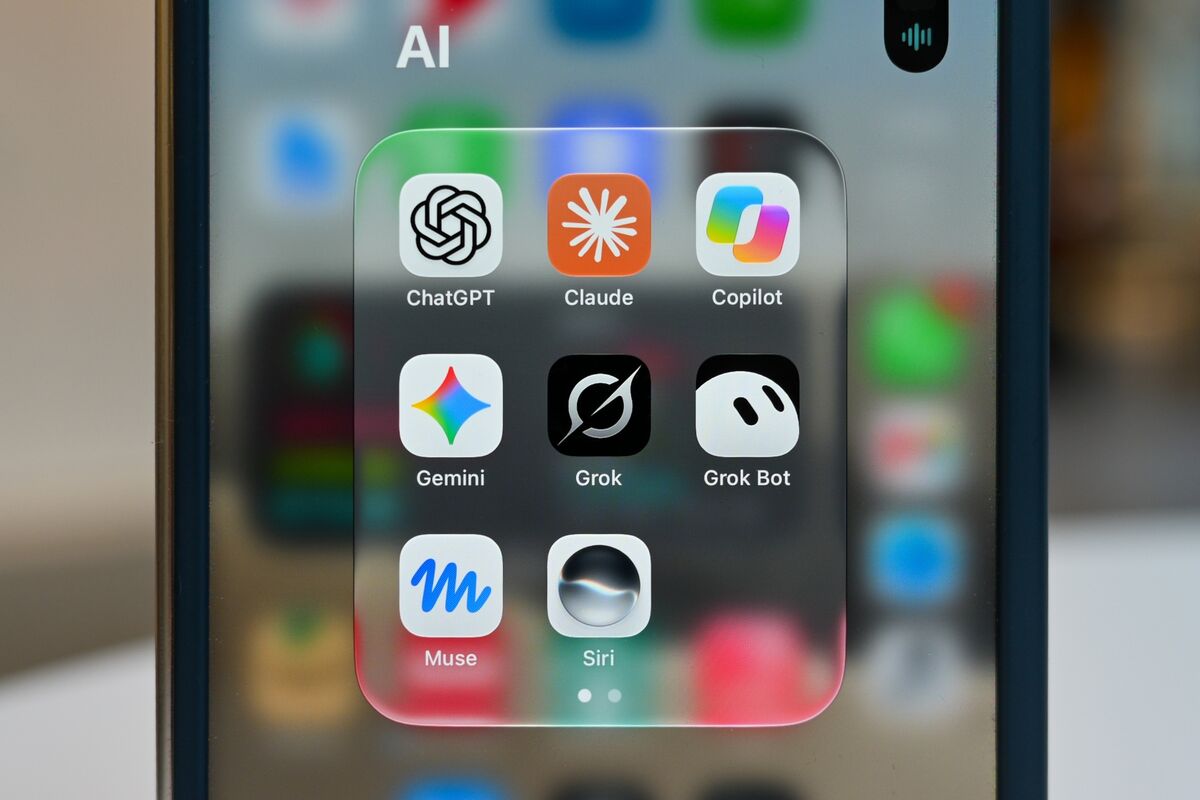
AI agents that perform tasks on our behalf are rapidly emerging as the next significant battleground in the tech ecosystem. These intelligent assistants, capable of managing everything from scheduling appointments to making purchasing decisions, are transforming the way we interact with technology and each other. Companies like Google, Amazon, and Microsoft are heavily investing in AI capabilities to create more efficient and user-friendly systems. As these AI agents become increasingly sophisticated, they are gaining traction among consumers who seek convenience and efficiency in their daily lives. This shift is not only reshaping individual user experiences but is also altering the competitive landscape of the tech industry.
Apple, known for its innovation and user-centric design, faces a critical challenge as it navigates this evolving landscape. While Apple has made strides with its Siri assistant, it has not maintained the same level of advancement or versatility as its competitors. Siri, once a pioneering force in voice recognition, has become seemingly stagnant, lacking the robust functionality and integration that users have come to expect from AI agents. As rival companies develop more capable and intuitive assistants, Apple risks falling behind in the race to dominate this new AI-driven ecosystem. The company must recognize the urgency of enhancing its AI offerings to retain customer loyalty and ensure that its products remain competitive.
The implications of this shift extend beyond mere market share; they touch on how users perceive technology and its role in their lives. As AI agents become more embedded in our daily routines, consumers will increasingly prefer platforms that provide seamless integration and personalized experiences. This trend could lead to a significant shift in user loyalty, where customers gravitate towards more advanced AI solutions, regardless of their prior brand allegiance. For Apple, this represents a critical juncture: the company must innovate and adapt to meet the evolving expectations of its users or risk losing its position as a trusted technology leader.
To regain its footing, Apple must prioritize the development of its AI capabilities and explore partnerships that can enhance its offerings. This could involve investing in research and development, acquiring AI startups, or collaborating with other tech giants to leverage their expertise. By doing so, Apple can enhance the functionality of Siri and create a more integrated ecosystem that appeals to users. Ultimately, the success of AI agents will hinge on their ability to provide meaningful, efficient solutions for consumers, and Apple must act decisively to ensure it remains a key player in this transformative landscape. The future of technology may very well depend on who can best harness the power of AI to serve the needs of users in an increasingly digital world.
Apple Risks Losing the AI Agent War With an Outdated Playbook - Bloomberg.com