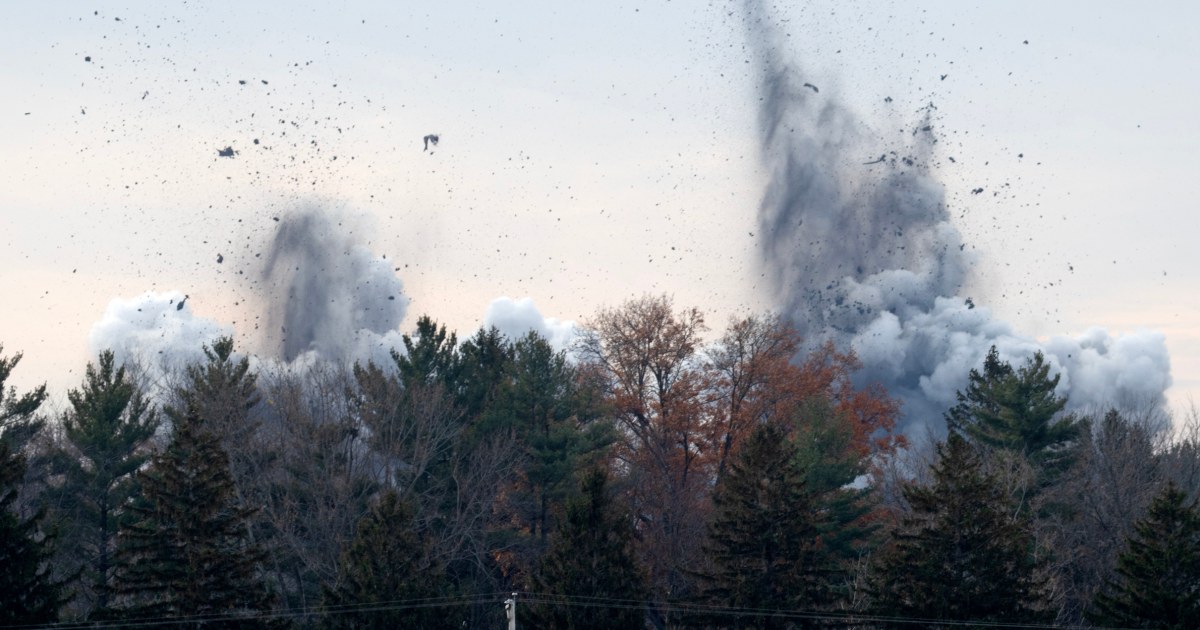
The plan to carry out a controlled detonation in the area has ignited a wave of fear and anger among local residents, creating an atmosphere of anxiety as the date approached. Many community members voiced their concerns about the lack of adequate warning regarding the impending explosion. This sense of urgency was compounded by the uncertainty surrounding the potential risks associated with the detonation. With little communication from local authorities, residents felt unprepared and vulnerable, wondering how the explosion would impact their homes, health, and safety. The emotional toll of the situation was palpable, as families grappled with the possibility of disruption to their daily lives and the safety of their loved ones.
In the days leading up to the detonation, community meetings were held, but many residents felt that these gatherings were insufficient to address their concerns. The information provided was often vague and did not offer clear guidance on safety protocols or evacuation procedures. Some residents expressed feelings of being marginalized; they believed that their voices were not being heard in the decision-making process. This sentiment of disenfranchisement sparked a grassroots movement, with residents banding together to demand more transparency from local officials. As fear and frustration grew, social media became a platform for residents to share their experiences and rally support, further amplifying the call for more decisive action from authorities.
As the detonation day drew closer, the fear of potential fallout became a central topic of discussion among community members. Many residents questioned the safety measures that had been put in place and whether they were truly adequate to handle any unforeseen consequences. Concerns ranged from structural damage to homes and businesses in the vicinity to the environmental impact of the explosion. Families began to make contingency plans, with some opting to stay with relatives or friends outside the affected area. The anxiety surrounding the detonation was compounded by stories of past incidents where explosions had caused harm to nearby residents, further reinforcing the community's fears and skepticism about the authorities' assurances of safety.
In response to the escalating tensions, local officials eventually held a press conference to address the community's concerns. They attempted to reassure residents by outlining the safety measures that had been implemented and explaining the rationale behind the decision to proceed with the detonation. However, many residents remained unconvinced, expressing a sense of mistrust toward the authorities. The aftermath of the detonation will be closely monitored by both residents and officials, as the community grapples with the impact of the event. The situation serves as a reminder of the importance of open communication and community involvement in such decisions, highlighting the need for local governments to prioritize transparency and public safety in their operations.
Army detonates cache of lead explosives, with toxic plume expected to spread across Iowa - NBC News