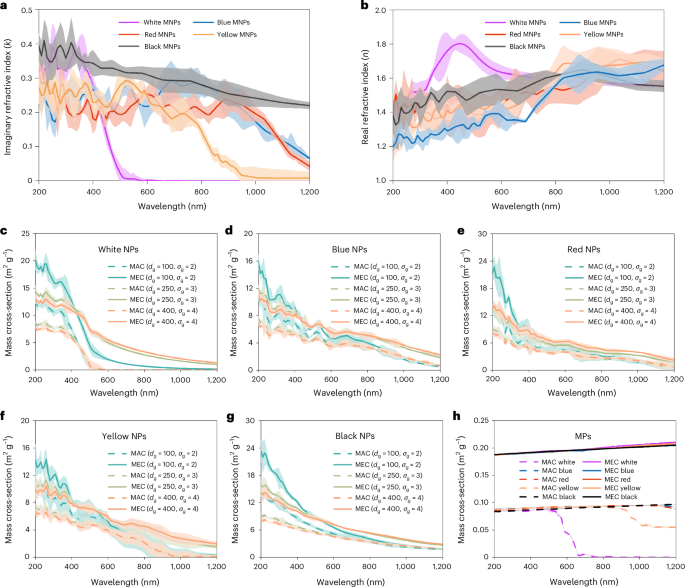
Microplastic pollution has emerged as one of the most pressing environmental issues over the last two decades, prompting extensive research and a growing body of literature dedicated to understanding its implications. In their comprehensive review, Thompson et al. (2024) delve into the significant findings from twenty years of microplastic research, highlighting the various sources, transport mechanisms, and ecological consequences associated with these small plastic particles. Microplastics, defined as plastic debris less than five millimeters in size, can originate from a variety of sources including the breakdown of larger plastic items, synthetic fibers from clothing, and even from the degradation of personal care products. This study serves as a pivotal reference point for scientists and policymakers alike, offering a detailed synthesis of the current state of knowledge on microplastics and their pervasive impact on ecosystems.
One of the key revelations from the research is the alarming ubiquity of microplastics in different environments, from the deepest ocean trenches to the most remote terrestrial locations. Thompson et al. emphasize that the transportation of microplastics through atmospheric channels is a significant area of concern. Recent studies, including those by Allen et al., have indicated that microplastics can be uplifted into the atmosphere by wind and weather phenomena, allowing them to travel vast distances before settling in new locations. This atmospheric transport not only complicates efforts to quantify and monitor microplastic pollution but also raises questions about its potential effects on human health and the environment. The findings underscore the need for a comprehensive understanding of how microplastics move through different ecological systems and the implications of their widespread presence.
Furthermore, the ecological consequences of microplastic pollution are profound and multifaceted. Research has shown that microplastics can be ingested by a wide range of marine and terrestrial organisms, leading to harmful effects on wildlife. These particles can cause physical harm, such as blockage and injury, as well as chemical harm due to the leaching of toxic additives used in plastic production. Additionally, microplastics can serve as vectors for other pollutants, including heavy metals and persistent organic pollutants, exacerbating their toxic effects on marine life. The implications for food webs and biodiversity are significant, as these particles can disrupt the health of entire ecosystems, ultimately affecting human populations that rely on these resources.
To combat the growing issue of microplastic pollution, Thompson et al. advocate for enhanced regulatory measures and increased public awareness. They argue that addressing the root causes of plastic production and consumption is crucial in mitigating the impact of microplastics. This includes promoting sustainable materials, improving waste management practices, and encouraging the development of biodegradable alternatives to conventional plastics. Moreover, ongoing research is necessary to continue monitoring microplastic levels and understanding their long-term effects on health and the environment. By fostering collaboration among scientists, policymakers, and the public, there is potential to create effective strategies that not only reduce microplastic pollution but also promote a healthier planet for future generations.
Atmospheric warming contributions from airborne microplastics and nanoplastics - Nature