Politics & Government
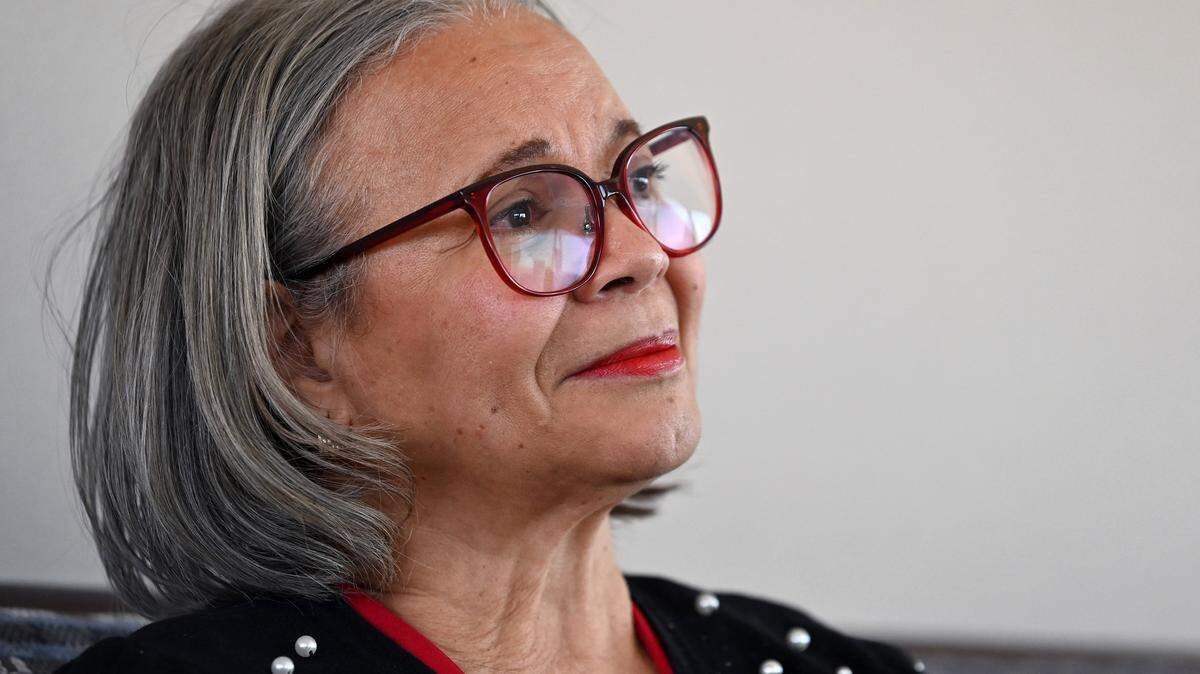
Longtime Charlotte Mayor Vi Lyles has announced her intention to step down from her role less than halfway through her current term, marking a significant moment in the political landscape of North Carolina's largest city. Lyles, a seasoned politician and member of the Democratic Party, has served as mayor since 2017 and has been a prominent figure in Charlotte's governance for years. Her decision to resign comes as a surprise to many, given her long-standing commitment to the city and her plans for future initiatives. As the nation's 14th-largest city, Charlotte faces numerous challenges, ranging from economic development and housing affordability to public safety and transportation infrastructure, and Lyles's departure raises questions about the continuity of leadership during this critical time.
Lyles has been a trailblazer in her role, becoming the first African American woman to serve as mayor of Charlotte. Throughout her tenure, she has focused on fostering inclusivity and addressing systemic issues within the community. One of her hallmark initiatives has been the "Charlotte Future 2040 Comprehensive Plan," a visionary blueprint aimed at guiding the city’s growth and development over the next two decades. Her leadership has been characterized by a commitment to sustainability, equity, and collaboration, often engaging with various stakeholders, including community organizations, businesses, and residents to ensure that all voices are heard in the decision-making process.
As she prepares to step down, Lyles has expressed gratitude for the opportunity to serve the people of Charlotte and has emphasized the importance of continuing to address the pressing issues the city faces. Her resignation may trigger a special election to fill the vacancy, and political analysts are already speculating on potential candidates who could step into the role. The timing of her departure also raises questions about how her exit will affect ongoing projects and initiatives that are vital to Charlotte’s growth, particularly in the areas of affordable housing and economic recovery in the wake of the COVID-19 pandemic. The new mayor will need to quickly acclimate to the challenges at hand and build upon the foundation that Lyles has laid.
The future of Charlotte's governance will undoubtedly be influenced by Lyles's legacy, and her resignation presents both a challenge and an opportunity for the city. As the community prepares for a transition in leadership, the need for a strong, decisive figure to guide Charlotte through its next chapter becomes increasingly apparent. With a rapidly growing population and an evolving economic landscape, the next mayor will have the crucial task of not only maintaining the progress made under Lyles but also innovating new solutions to ensure that Charlotte remains a vibrant, inclusive, and economically viable city for all its residents. The political dynamics in the coming months will be closely monitored as the city navigates this pivotal moment in its history.
Charlotte Mayor Vi Lyles announces surprise resignation 6 months after reelection - Charlotte Observer