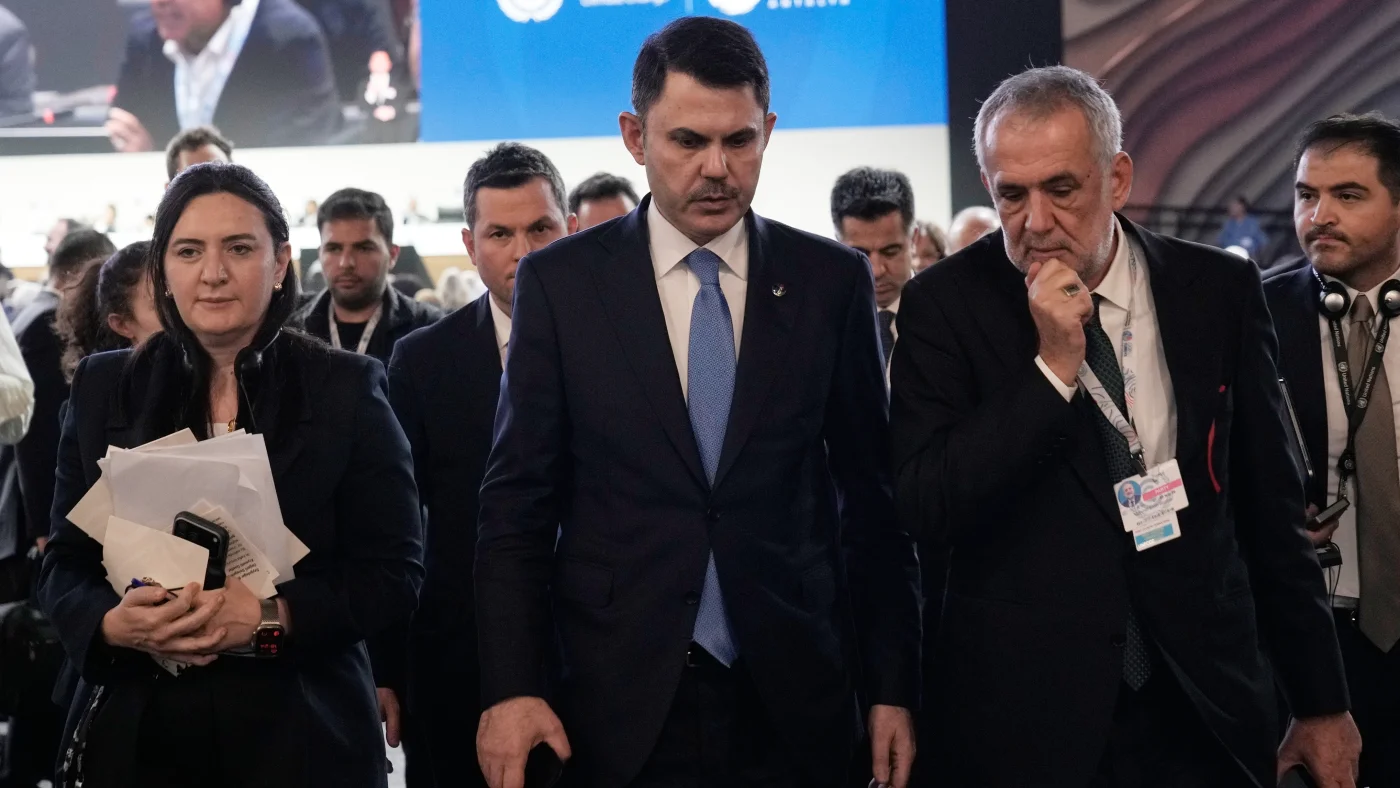
ANTALYA, Turkey—International climate change talks in Antalya, Turkey, recently unraveled during extended negotiations, primarily centered on the contentious issue of fossil fuels, which are widely recognized as the leading contributors to global warming. Delegates from nearly 200 nations gathered with the hope of reaching a consensus on strategies to mitigate climate change, yet discussions became increasingly fraught as key players struggled to reconcile their differing positions on the future of fossil fuel use. This breakdown underscores the deep divisions that persist among countries, particularly between those that rely heavily on fossil fuel extraction for their economies and those advocating for a rapid transition to renewable energy sources.
The talks, which were intended to build on the progress made at previous climate conferences, were marked by tense debates and a lack of clear commitment from major fossil fuel-producing nations. Countries like the United States and several within the European Union pushed for stronger measures to phase out fossil fuels and invest in cleaner alternatives. In contrast, representatives from oil-rich nations argued for the continued importance of fossil fuels in their economic frameworks, emphasizing the need for a more gradual transition that would consider their unique circumstances. As negotiations dragged on into overtime, it became clear that a compromise would be difficult to achieve, leaving many attendees disillusioned.
In recent years, scientists have consistently highlighted the urgent need to limit global warming to 1.5 degrees Celsius above pre-industrial levels to avoid catastrophic climate impacts. The failure to reach an agreement in Antalya raises serious concerns about the international community's ability to respond effectively to this existential threat. Activists and environmental organizations expressed disappointment, emphasizing that without decisive action to curb fossil fuel consumption, the commitments made in previous climate accords risk becoming mere words on paper. The stakes are high, as the world continues to experience increasingly severe weather events, rising sea levels, and other alarming signs of climate change.
Looking ahead, the collapse of the Antalya talks poses significant challenges for future negotiations and global climate policy. With the next major conference on climate action looming, it is imperative for nations to find common ground and develop a unified strategy that prioritizes sustainable development while addressing the economic realities faced by fossil fuel-dependent countries. The road to effective climate action will require innovative solutions, international cooperation, and a willingness to confront deeply entrenched interests. As the impacts of climate change become more pronounced, the urgency for collective action has never been greater, and the world will be watching closely to see how governments respond in the coming months.
Climate change talks fall apart in final hours over fossil fuels - NPR