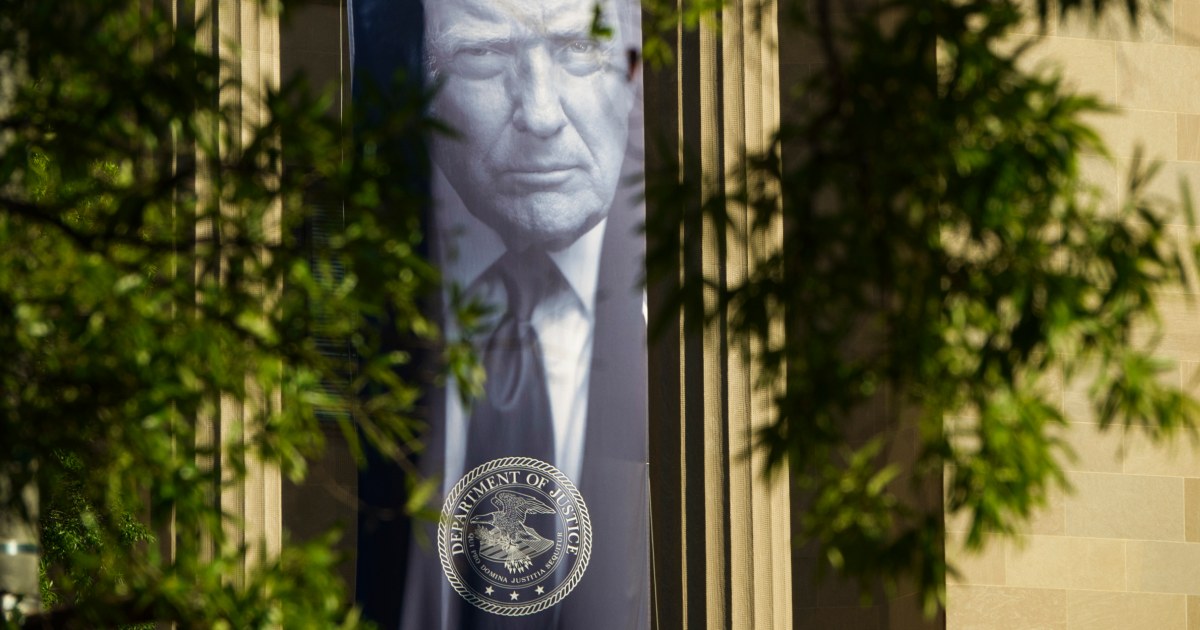
The events of January 6, 2021, marked a significant turning point in American history, not only for the political implications but also for the legal and financial ramifications that followed. In the aftermath of the Capitol insurrection, many of the individuals involved faced various charges and legal consequences. However, there has been an ongoing discussion regarding the financial support that some of these rioters might receive from the federal government. While the establishment of an anti-weaponization fund was proposed to address this issue, it is important to note that the Trump administration still possessed an alternative avenue for providing financial payouts to those involved in the riots: the Judgment Fund.
The Judgment Fund is a mechanism established by Congress that allows the federal government to make payments to individuals who have successfully sued the government for damages. This fund is designed to cover legal settlements and judgments that arise from various cases, including those involving federal employees or actions taken by the government. In essence, even without new legislative measures, the Trump administration could utilize this existing fund to provide financial relief to individuals who participated in the January 6 riots, raising concerns about the potential consequences of such actions on the legal system and public perception of accountability.
The use of the Judgment Fund for this purpose could set a troubling precedent, as it essentially allows the government to financially support those who engaged in unlawful activities against the state. This situation raises ethical questions about the government's role in compensating individuals for actions that undermined democratic processes. Critics argue that providing payouts to rioters could be interpreted as tacit approval of their behavior, which would not only diminish the severity of their actions but also send a message that such conduct could be financially rewarded. The implications of this could extend beyond the immediate context, influencing future political protests and the behavior of individuals who might consider engaging in similar actions.
Moreover, the possibility of utilizing the Judgment Fund in this manner emphasizes the need for a more robust discourse around accountability and justice in the political arena. As the nation grapples with the fallout from January 6, it is crucial to consider how government resources are allocated and the message that such financial decisions convey to the public. As debates surrounding the appropriateness of funding for those involved in the Capitol riots continue, lawmakers and citizens alike must weigh the potential consequences of these actions on the foundations of democracy and the rule of law. The conversation surrounding the Judgment Fund and its potential use underscores the complexities of navigating justice in a politically charged environment, highlighting the urgent need for a collective commitment to uphold the principles of accountability and integrity in governance.
DOJ could still pay Jan. 6 rioters even without ‘anti-weaponization’ fund - NBC News