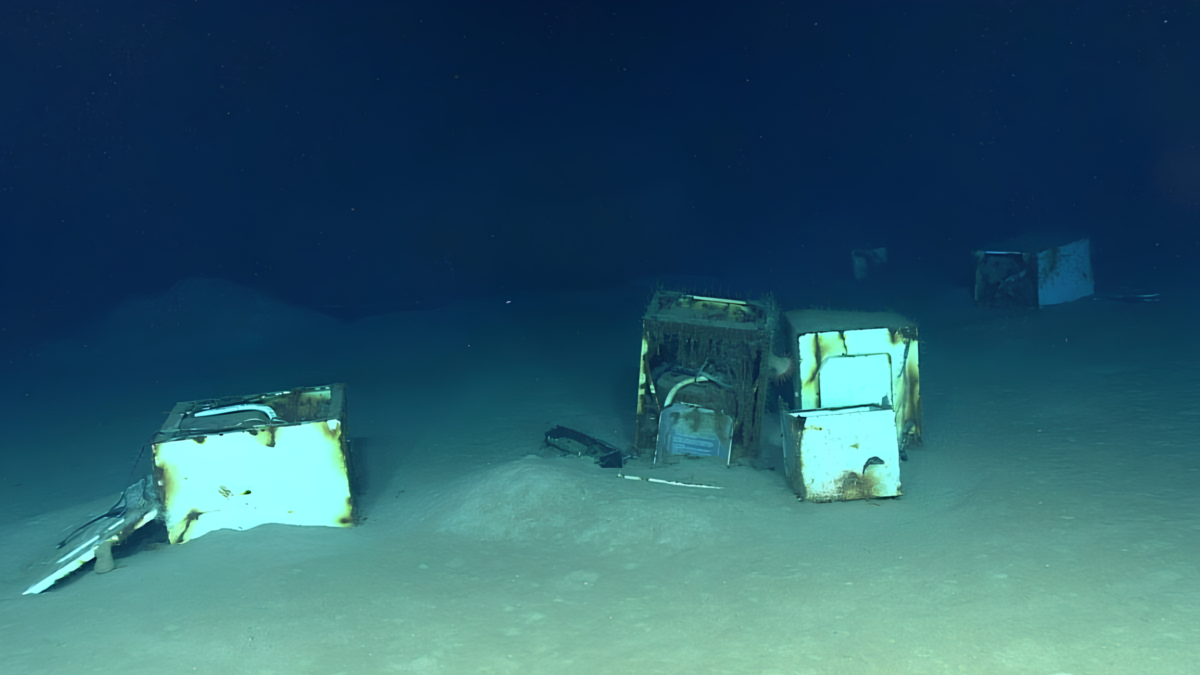
In 2017, a team of scientists from the United States National Oceanic and Atmospheric Administration (NOAA) embarked on an ambitious expedition into the depths of the Gulf of Mexico, plunging over 5,000 feet beneath the surface. Their mission was to explore the mysterious underwater landscape that lies hidden from the light of day, and what they uncovered was nothing short of extraordinary. As they navigated through this dark abyss, they encountered a bizarre world teeming with strange and otherworldly forms of life. The landscape was characterized by towering underwater structures, unusual rock formations, and a myriad of creatures that seemed to belong to a realm far removed from our own. This expedition not only unveiled the wonders of the deep but also raised questions about the resilience and adaptability of life in extreme conditions.
Among the most striking discoveries was the presence of unique species that had evolved in isolation, developing adaptations to thrive in the harsh conditions of deep-sea environments. Many of these creatures exhibited bioluminescence, a trait that allows them to produce light in the darkness of the ocean depths. This phenomenon serves various purposes, from attracting mates to luring prey and evading predators. Additionally, the scientists documented a range of bizarre adaptations, such as elongated bodies, oversized eyes, and other features that enabled these organisms to survive in an ecosystem where food is scarce, and pressure is immense. The team meticulously cataloged these findings, providing invaluable insights that could enhance our understanding of evolutionary biology and the limits of life on Earth.
The expedition also highlighted the importance of deep-sea ecosystems in the broader context of global environmental health. The Gulf of Mexico is not just a rich marine habitat; it also plays a crucial role in regulating climate and supporting biodiversity. However, these delicate ecosystems are increasingly under threat from human activities, including oil drilling, pollution, and climate change. As scientists explored the depths, they became acutely aware of the need to protect these underwater sanctuaries, which are often overlooked in conservation efforts. The findings from the expedition underscored the urgency of implementing sustainable practices and policies that would safeguard these fragile environments for future generations.
Ultimately, the 2017 expedition into the Gulf of Mexico was more than just a scientific exploration; it was a reminder of the vastness and complexity of our planet's ecosystems, many of which remain unexplored and poorly understood. The alien landscape and its inhabitants served as a testament to the resilience of life in extreme environments, offering a glimpse into the potential for undiscovered species and ecological interactions. As we continue to delve into the depths of our oceans, we are reminded of the importance of understanding and preserving the intricate web of life that exists beneath the waves. The haunting yet mesmerizing allure of the deep sea invites both scientific inquiry and a sense of wonder, urging us to explore further while recognizing our responsibility to protect these enigmatic worlds.
Deep-Sea Scientists Hunting a Shipwreck Accidentally Stumbled Across The Ocean's Backrooms - ScienceAlert