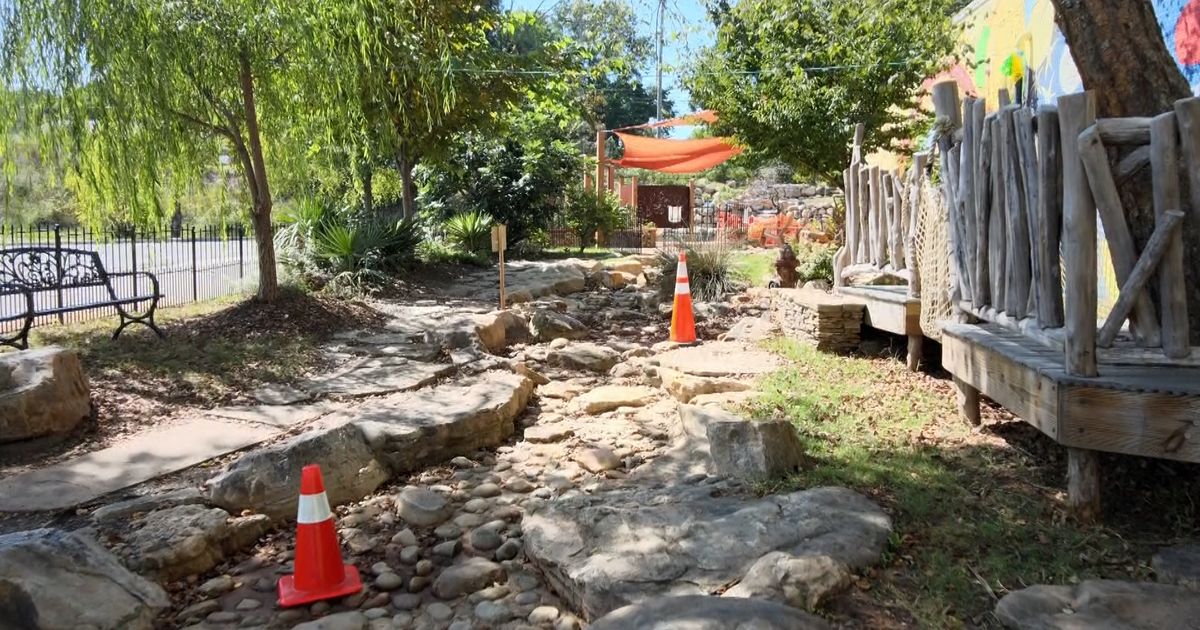
An investigation into the tragic death of a teenager from a "brain-eating" amoeba has revealed that a water feature in Durham, North Carolina, is likely the source of exposure. The North Carolina Department of Health and Human Services (NCDHHS) has been actively involved in this investigation, working closely with local health officials to trace the origins of the Naegleria fowleri, the organism responsible for the fatal infection. This amoeba is commonly found in warm freshwater environments, such as lakes and hot springs, and can enter the body through the nose, leading to severe and often fatal neurological damage. The circumstances surrounding the teen's death have raised concerns about public health and the safety of recreational water activities in the region.
The water feature in question, which has not been specifically named, is part of a popular recreational area frequented by families and young people. Authorities have stressed the importance of awareness regarding the risks associated with warm freshwater environments, particularly during the summer months when temperatures rise and water activities increase. The symptoms of an infection caused by this amoeba can initially resemble those of viral meningitis, making early diagnosis challenging. In this case, the young victim displayed symptoms such as fever and headache, which rapidly progressed to more severe neurological manifestations. This rapid deterioration underscores the critical need for heightened public awareness and education regarding the potential dangers posed by freshwater exposure, especially for vulnerable populations.
Health officials are currently urging the community to take precautions when engaging in water-related activities. This includes avoiding swimming in warm freshwater bodies, particularly during high-temperature periods, and using nose clips or keeping the head above water in such environments. Additionally, individuals with certain risk factors, such as those with weakened immune systems, should exercise particular caution when considering any form of water recreation. The NCDHHS is also investigating other potential sources of exposure and is conducting tests to ensure the safety of local water bodies. The investigation aims not only to provide closure for the family affected by this tragedy but also to implement measures that will prevent similar incidents in the future.
In the wake of this incident, community leaders are calling for improved regulations and monitoring of water features to safeguard public health. They emphasize the need for routine testing of recreational waters to identify potential hazards before they lead to serious health risks. As the investigation continues, health officials are committed to disseminating information to educate the public about the risks associated with Naegleria fowleri and the importance of preventive measures. The tragic loss of this teenager serves as a stark reminder of the potential dangers lurking in seemingly innocuous natural settings, highlighting the need for both individual vigilance and community action to protect public health and safety.
Durham water feature found as likely source of ‘brain-eating’ amoeba infection that killed teen - WRAL