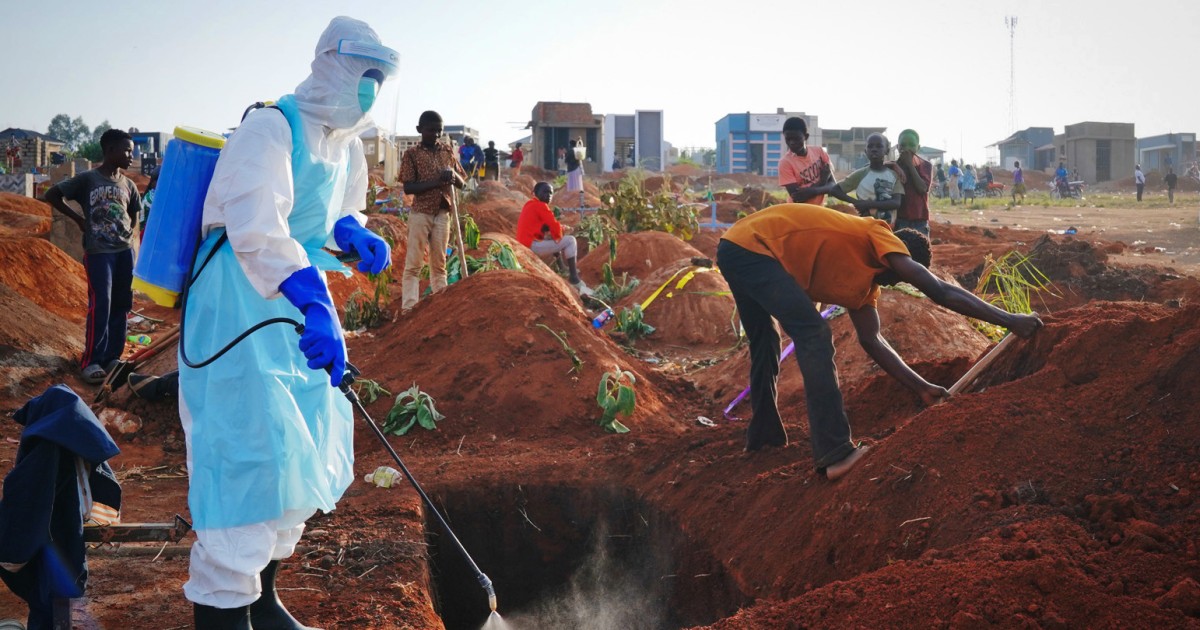
The ongoing Ebola outbreak in the Democratic Republic of the Congo has escalated to alarming levels, claiming the lives of over 2,300 individuals. This tragic statistic marks the outbreak as the deadliest in the history of the Central African nation, highlighting the region's vulnerability to one of the most severe and lethal viral diseases known to humankind. The World Health Organization (WHO) and various health agencies have been working tirelessly to contain the spread of the virus, but challenges persist, including logistical issues, distrust in health authorities, and the remoteness of affected communities. The situation has been exacerbated by ongoing conflicts and insecurity in the region, which have hindered both the delivery of aid and the implementation of effective public health measures.
The Ebola virus, which is transmitted through direct contact with the bodily fluids of infected individuals, poses a significant threat, particularly in densely populated areas with limited healthcare infrastructure. The current outbreak has primarily affected the eastern provinces of Ituri and North Kivu, regions that are not only prone to frequent disease outbreaks but also face ongoing humanitarian crises. With healthcare facilities strained under the weight of the epidemic, the response teams have had to adapt quickly, employing innovative strategies such as community engagement initiatives to educate local populations about the disease and promote preventive measures. These efforts are crucial in a context where misinformation can spread rapidly, leading to fear and stigma surrounding Ebola.
In response to this outbreak, the Congolese government, alongside international partners, has ramped up vaccination campaigns using experimental vaccines that have shown promise in previous outbreaks. These vaccines are administered to healthcare workers, contacts of confirmed cases, and individuals living in high-risk areas. The aim is to create herd immunity and ultimately halt the transmission of the virus. Furthermore, the outbreak has ignited a renewed interest in research and development of more effective treatments and vaccines, as scientists and public health experts work to better understand the virus and its mutations. The urgency of this work cannot be overstated, especially given the lessons learned from previous outbreaks and the necessity for preparedness against future threats.
Despite the herculean efforts being made, the road to recovery remains fraught with difficulties. Reports indicate that many communities are still reluctant to seek medical help, fearing stigmatization or mistrust of the healthcare system. Additionally, the psychological impact of the outbreak on survivors and families of victims is profound, with many requiring long-term support and care. As the situation evolves, it is critical that local and international organizations continue to collaborate effectively, ensuring that lessons learned from this outbreak inform future responses. The fight against Ebola in the Democratic Republic of the Congo is not merely a health crisis but a complex interplay of social, economic, and political factors that require comprehensive, sustained efforts to achieve lasting change.
Ebola outbreak becomes Congo’s worst on record, with over 2,300 dead - NBC News