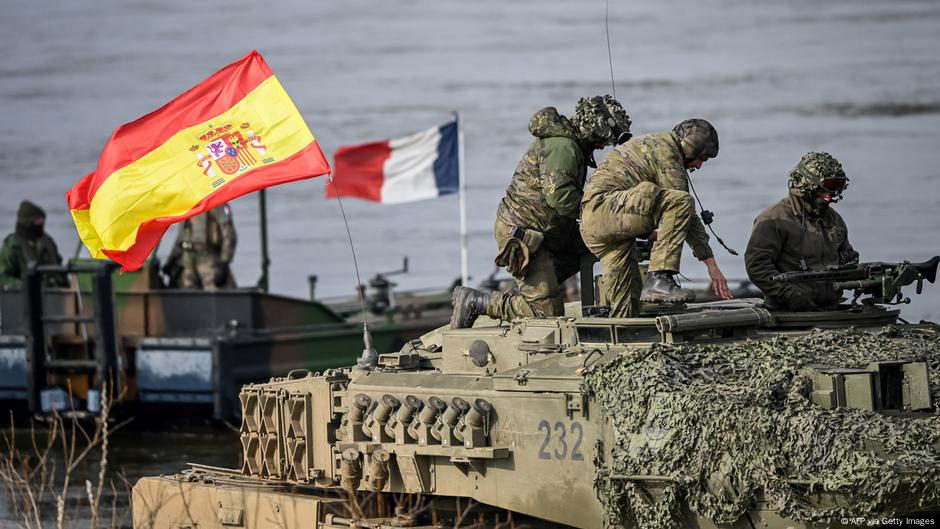
At the Munich Security Conference on Sunday, Kaja Kallas, the European Union's top diplomat, emphasized the critical role of the NATO trans-Atlantic alliance in ensuring Europe's collective defense. This alliance has been a cornerstone of Europe's security architecture since its inception, providing a framework of military cooperation and mutual defense that has largely deterred potential aggressors. Kallas underscored that while NATO remains indispensable, there is a growing recognition among EU member states of the need to bolster their own defense capabilities. As geopolitical tensions rise, particularly in light of Russia's aggressive actions in Ukraine and the shifting dynamics of global power, European nations are increasingly called upon to take greater responsibility for their security.
Kallas highlighted the pressing need for Europe to enhance its strategic autonomy, which entails developing a more integrated and capable defense posture that complements NATO efforts. This ambition is not about replacing NATO but rather about filling gaps and ensuring that the European Union can respond effectively to crises that may not directly involve NATO's collective defense obligations. The EU has made strides in this direction through initiatives such as the European Defense Fund and the Permanent Structured Cooperation (PESCO), which aim to foster collaboration among member states in defense procurement and capability development. However, Kallas pointed out that significant challenges remain, including divergent national priorities, budget constraints, and varying levels of military readiness among member states.
The ongoing conflict in Ukraine serves as a stark reminder of the vulnerabilities that Europe faces in an increasingly hostile security environment. Kallas called for a more cohesive and united European defense strategy, urging member states to prioritize joint military exercises and operations that would enhance interoperability and readiness. The EU's response to the crisis has already demonstrated the potential of collaborative approaches, such as the provision of military aid to Ukraine, which has united member states in support of a common cause. Nonetheless, Kallas warned that sustained investment in defense capabilities is crucial for maintaining this momentum and ensuring that Europe is not caught unprepared in the event of future crises.
In conclusion, Kaja Kallas's remarks at the Munich Security Conference reflect a pivotal moment for European defense. While NATO remains a vital component of collective security, the urgency for a more autonomous and robust European defense framework is clear. The path forward will require not only increased military spending and cooperation among EU nations but also a commitment to fostering a shared strategic vision. As Europe navigates the complexities of contemporary security challenges, the collaboration between NATO and the EU will be essential, and a proactive approach to defense will be necessary to ensure peace and stability in the region.
Europe looks to shore up own defenses amid US uncertainty - DW.com