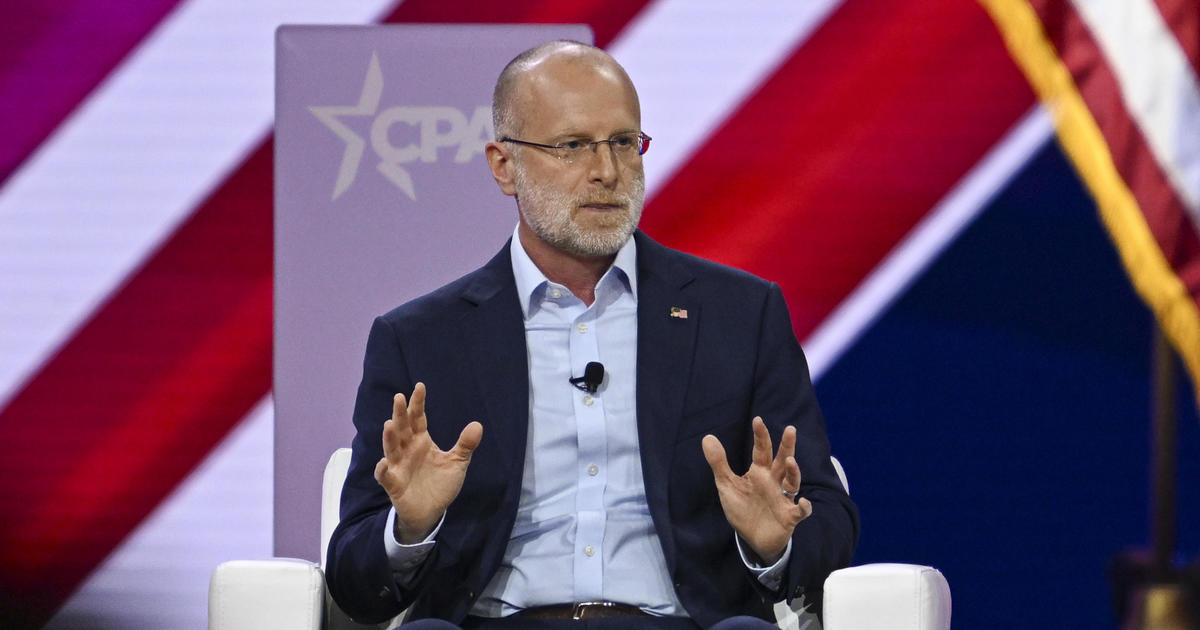
Federal Communications Commission (FCC) Chair Brendan Carr made headlines recently by asserting that he would consider revoking broadcast licenses for media outlets that he believes are not adequately covering the U.S.-Israeli conflict in Iran. This strong statement drew parallels to the sentiments expressed by former President Donald Trump, who has been vocal about his dissatisfaction with the media's portrayal of the ongoing war. Carr's remarks highlight a growing concern among some political leaders regarding what they perceive as biased or incomplete reporting on critical international issues. As the conflict continues to unfold, the role of news media in shaping public perception and government policy becomes increasingly vital.
The tension surrounding media coverage of international conflicts is not new, but it has intensified in recent years, particularly in the digital age where information is disseminated rapidly and often without rigorous fact-checking. Critics argue that sensationalism and partisanship can overshadow critical reporting, leading to a misinformed public. In this context, Carr's threat raises significant questions about the boundaries of free speech and the responsibilities of broadcasters. The FCC, as a regulatory body, has a mandate to ensure that the airwaves serve the public interest, yet the definition of that interest is often debated, particularly in politically charged environments.
In addition to the implications for media outlets, Carr's comments reflect a broader trend of political leaders seeking to influence media narratives. This phenomenon raises concerns among journalists and advocates for press freedom, who argue that attempts to pressure or punish media organizations for their coverage can undermine democratic principles. The notion of revoking broadcasting licenses is particularly alarming to many, as it can be seen as a form of censorship that threatens the independence of the press. As reporters strive to navigate the complex landscape of international reporting, the potential repercussions of their coverage loom large, making their role both critical and precarious.
As the conflict in Iran continues to evolve, the dialogue surrounding media responsibility and integrity is likely to become even more pronounced. Citizens rely on news outlets to provide balanced and comprehensive coverage of events that affect global stability and security. The challenge for media organizations will be to maintain their journalistic integrity while facing external pressures from political figures and public opinion. Ultimately, the debate sparked by Carr's comments serves as a reminder of the essential role that a free and independent press plays in a functioning democracy, particularly in times of crisis when accurate information is paramount.
FCC chair threatens broadcast licenses amid Trump's criticism of Iran war coverage - CBS News