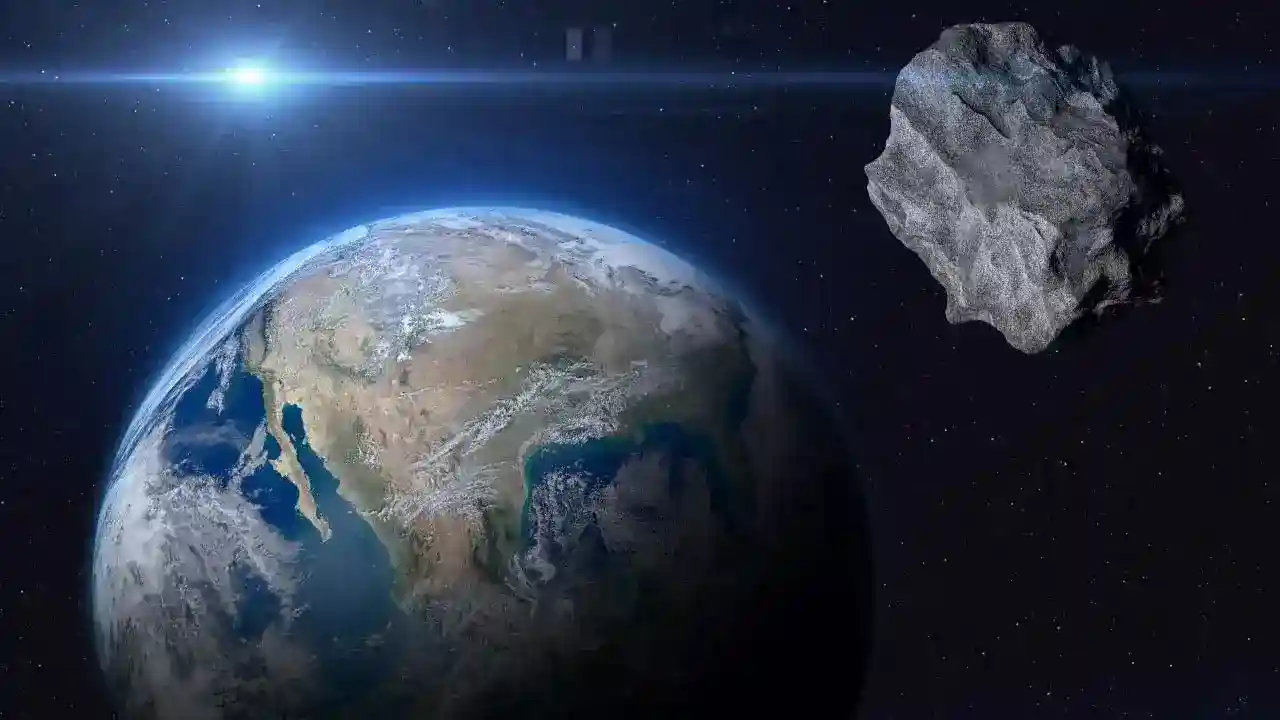
A Harvard astrophysicist has sparked considerable interest and debate within the scientific community by proposing that a mysterious object traversing our solar system might be a lost Soviet spacecraft. This object, which has garnered attention for its unusual speed and trajectory, has been observed by astronomers since it entered our solar system. The astrophysicist, whose theories often push the envelope of conventional thought, believes that this object could be a remnant of Cold War-era space exploration efforts that have long been forgotten. His assertion raises questions about what other technologies from that time may still be hidden among the stars, and how they might reshape our understanding of space exploration history.
The implications of this claim are significant, particularly as it challenges prevailing theories about the origins and nature of such interstellar objects. While many scientists initially classified the object as an asteroid or comet, the unusual characteristics noted by researchers led to a re-evaluation of its potential origins. The notion that it could be a Soviet spacecraft not only adds a layer of intrigue but also highlights the broader narrative of space exploration during the height of the Cold War. As nations raced to assert their dominance in space, many missions were launched, some of which may have resulted in spacecraft being left adrift, lost to the cosmos. This theory ignites a sense of curiosity about the technological advancements of that era and the extent to which they have influenced modern space endeavors.
However, the astrophysicist cautions that scientists may never be able to obtain definitive evidence or a clear view of the object. The increasing distance of the object from Earth, coupled with the limitations of current observational technology, poses a significant challenge for astronomers. Japan's involvement in observing the object might have offered a potential opportunity to gather more data, but logistical and technological hurdles can hinder such efforts. As telescopes become more advanced, the challenge remains to focus on distant objects that are often obscured by the vastness of space. This situation raises important questions about the future of space observation and the need for enhanced tools and methodologies to study such celestial phenomena more effectively.
The prospect of discovering a lost Soviet spacecraft is not just a tantalizing thought experiment; it also serves as a reminder of the historical complexities surrounding space exploration. The Cold War era was marked by intense competition between the United States and the Soviet Union, leading to remarkable achievements in space technology. The existence of a spacecraft from this period floating through our solar system could provide invaluable insights into past missions, the technology of the time, and the political motivations that drove such ambitious projects. In a broader context, this discussion highlights the importance of revisiting and reassessing historical narratives in light of new scientific discoveries, encouraging a deeper understanding of the legacies left behind in our quest to explore the universe.
Harvard scientist may never prove mysterious space object’s origin after mission scrapped - Fox News