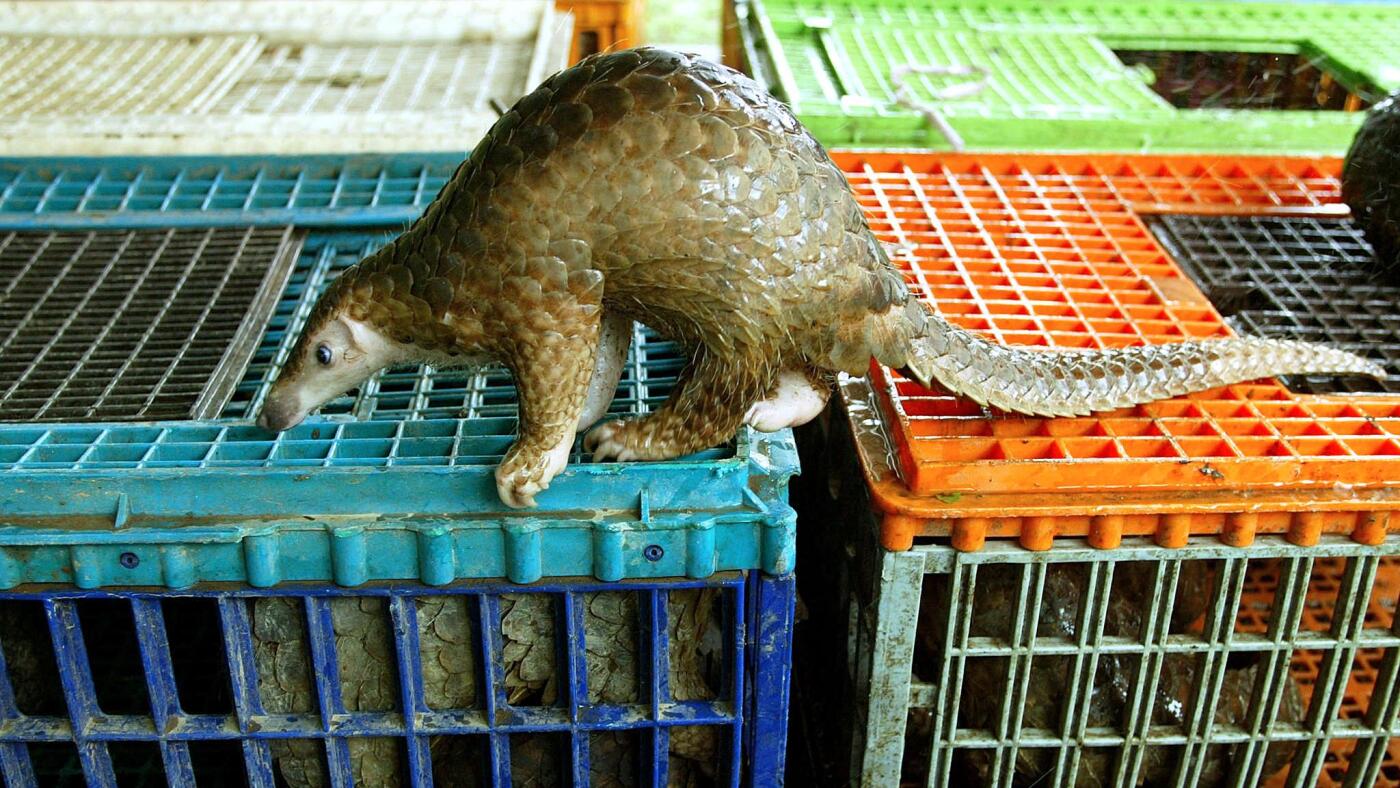
In 2003, a seemingly innocuous shipment of exotic African rodents to a pet store in Illinois unexpectedly became the catalyst for the United States' first outbreak of mpox, a viral disease previously known as monkeypox. The shipment included Gambian giant rats, among other exotic species, which were not only captivating for their size and unusual appearance but also posed a significant public health risk due to the potential for zoonotic transmission. Shortly after their arrival, these rodents infected prairie dogs housed in the same facility, creating a chain reaction that would lead to a widespread health crisis. The infected prairie dogs were subsequently sold to unsuspecting pet owners, leading to a rapid spread of the virus beyond the original pet store.
The outbreak quickly garnered attention as it unfolded across several states, with numerous cases reported among individuals who had come into contact with the infected prairie dogs. Health authorities were faced with the challenge of tracing the virus's origins and containing its spread. Public health officials initiated a series of measures, including quarantine protocols for exposed animals, extensive contact tracing, and educational campaigns aimed at informing pet owners and the general public about the symptoms and risks associated with mpox. The Centers for Disease Control and Prevention (CDC) played a pivotal role in addressing the outbreak, providing guidance on prevention strategies and coordinating efforts among state and local health departments.
As the outbreak progressed, it became clear that mpox presented a unique set of challenges for public health officials. Unlike other zoonotic diseases that primarily affect livestock or domesticated animals, mpox was relatively rare and had not been previously documented as a widespread issue in the United States. This unfamiliarity with the virus made it difficult to communicate the risks effectively and foster a sense of urgency among the public. Additionally, the outbreak highlighted the complexities of wildlife trade and the potential consequences of importing exotic animals without adequate health screenings. The incident raised important questions about animal welfare, public health safety, and the regulations governing the importation of exotic species.
In response to the outbreak, regulatory agencies ramped up their scrutiny of exotic animal imports, leading to a reevaluation of existing policies and practices. This included more stringent health inspections, enhanced monitoring of pet stores, and increased public awareness campaigns about the potential risks associated with owning exotic pets. The 2003 mpox outbreak served as a crucial learning experience that emphasized the interconnectedness of human, animal, and environmental health. It underscored the necessity for robust surveillance systems, rapid response strategies, and comprehensive education programs to mitigate the risks posed by zoonotic diseases in the future. As the world continues to grapple with emerging infectious diseases, the lessons learned from the mpox outbreak remain relevant in shaping policies that prioritize public health and safety in the context of global wildlife trade.
How bad for humans is wildlife trade? A new study has answers - NPR