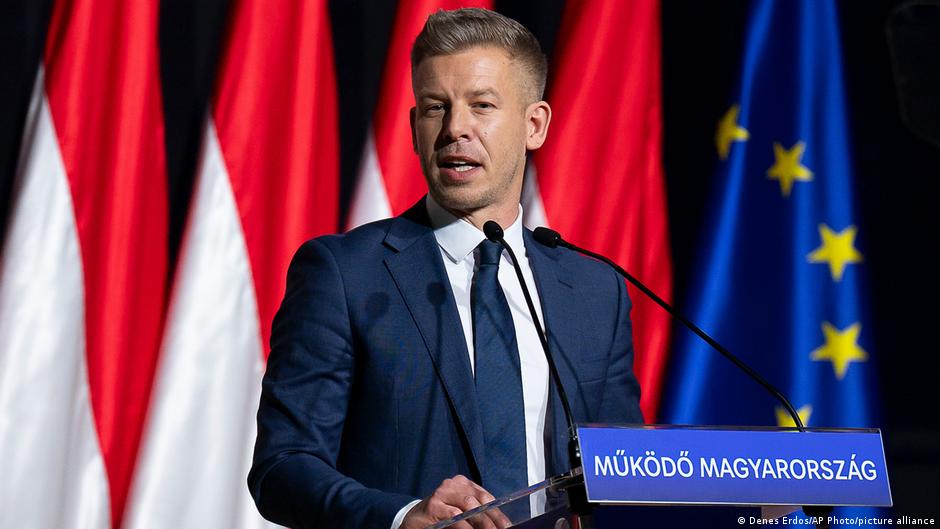
Hungarian opposition leader Peter Magyar recently kicked off his party's election campaign in the heart of Budapest, signaling a bold challenge to the long-standing dominance of Prime Minister Viktor Orban. Magyar, who has emerged as a formidable force in Hungarian politics, emphasized his commitment to ending Orban's 16-year rule, which has been characterized by increasing authoritarianism, media suppression, and allegations of corruption. During the campaign launch, he articulated a vision for a more democratic Hungary, one that prioritizes transparency, accountability, and the rule of law. His rhetoric resonates with a growing segment of the electorate that has become disillusioned with Orban’s government, which has consistently been accused of undermining democratic institutions.
A cornerstone of Magyar's campaign is a robust anti-corruption agenda, which he argues is essential for restoring public trust in government. He outlined specific measures aimed at combating corruption within the political system, including stricter regulations on campaign financing, the establishment of independent oversight bodies, and enhanced protections for whistleblowers. Magyar’s focus on integrity in government is a calculated move to appeal to voters who have witnessed the erosion of democratic norms under Orban's leadership. By positioning himself as a candidate of reform, he hopes to galvanize support not only from disaffected voters but also from those who traditionally align with the ruling party but are concerned about the continuing decline of Hungary's democratic institutions.
In addition to addressing corruption, Magyar's campaign seeks to reorient Hungary's foreign policy, emphasizing a return to a more balanced and cooperative stance within the European Union. He criticized Orban's increasingly isolationist approach, which has led to strained relations with key EU partners and diminished Hungary's standing on the international stage. Magyar advocates for a foreign policy that prioritizes collaboration, especially on pressing issues such as climate change, migration, and economic stability. He believes that a more engaged Hungary could benefit from EU resources and partnerships, ultimately leading to improved economic conditions for its citizens. This vision of a more integrated Hungary within Europe could resonate with voters who are concerned about the implications of Orban's policies on the country's future.
As the campaign unfolds, Magyar faces the formidable challenge of mobilizing a diverse coalition of opposition groups, each with their own agendas and priorities. The political landscape in Hungary has been fragmented, with various parties struggling to present a united front against Orban's Fidesz party. However, Magyar's leadership could serve as a unifying force, encouraging collaboration among opposition factions and grassroots movements. His ability to articulate a clear and compelling vision for Hungary's future will be crucial in rallying support and turning out voters in the upcoming elections. As tensions rise and the political climate intensifies, all eyes will be on Magyar and his campaign as they seek to redefine Hungary's political narrative and reclaim democratic governance from the grip of authoritarian rule.
Hungary: Magyar launches anti-Orban election campaign - DW.com