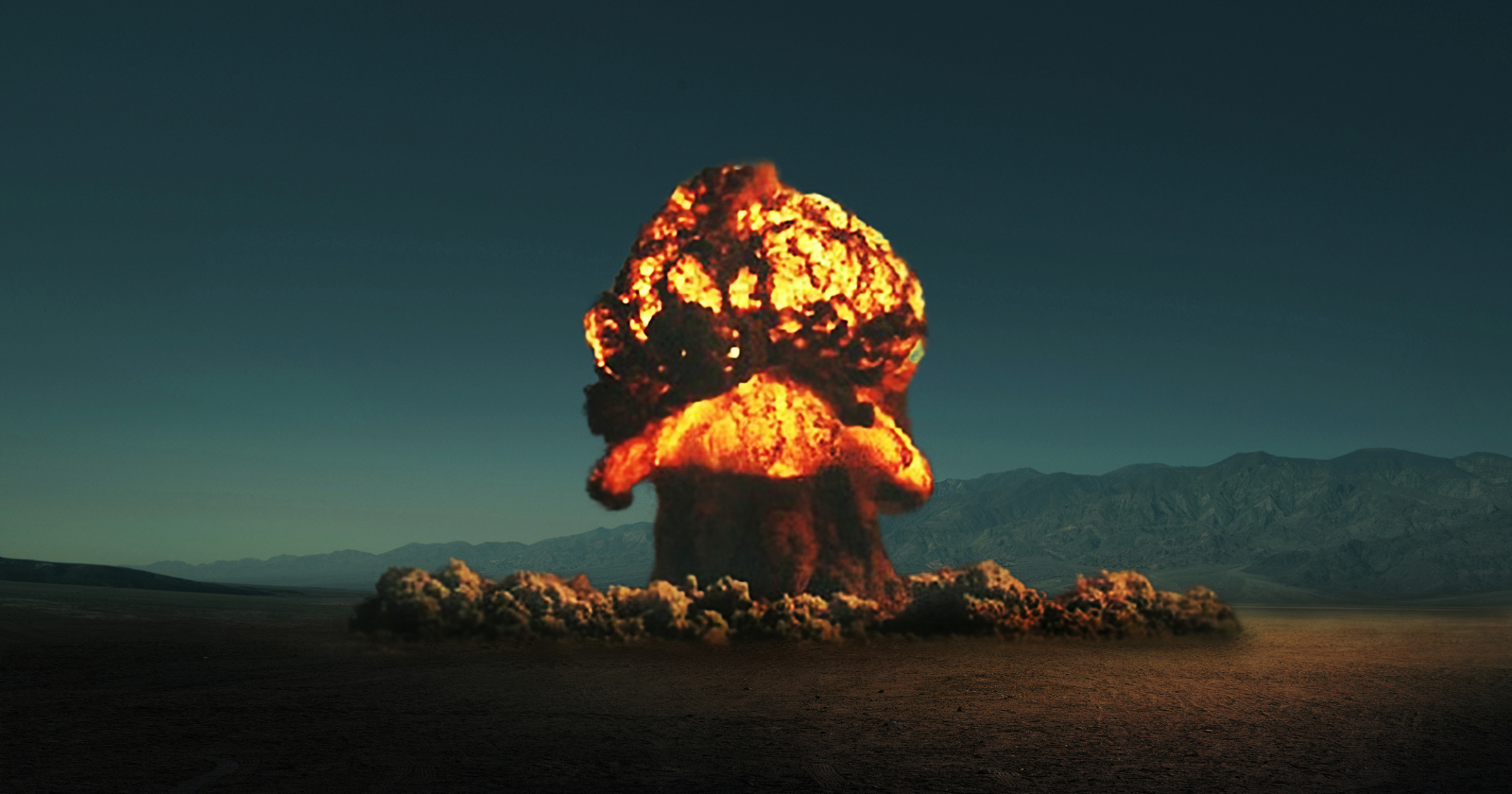
On the morning of June 30, 1908, the sky over a remote stretch of Siberian forest split open in a spectacular and terrifying display. Eyewitnesses—there were only a handful, as the area was sparsely populated—described a column of bluish light that illuminated the dawn, followed by a deafening explosion that resonated across the landscape. This cataclysmic event, known as the Tunguska event, would later be recognized as one of the most significant and mysterious explosions in modern history. The explosion flattened an estimated 2,000 square kilometers of forest, knocking down around 80 million trees and creating a shockwave that was felt hundreds of miles away. It was a moment that not only reshaped the environment but also sparked curiosity and concern about the forces of nature that could manifest so violently.
The immediate aftermath of the Tunguska event left an eerie silence in the once-thriving forest. Scientific expeditions in the years that followed revealed a landscape that looked as if it had been bombed, with trees stripped of their branches and trunks splintered, pointing away from the epicenter of the explosion. Despite the extensive damage, the remoteness of the area meant that few human casualties were reported, which further fueled the intrigue surrounding the event. Scientists and researchers began to speculate about the cause of the explosion. Theories ranged from a meteor or comet impact to volcanic activity, but the lack of a definitive crater or physical evidence made these hypotheses difficult to prove. The mystery deepened as the years passed, with many in the scientific community calling for more in-depth investigations into the phenomenon.
In the decades following the event, various theories emerged as researchers sought to understand what had transpired that fateful morning. In the 1920s, the Soviet scientist Leonid Kulik led the first major expedition to the site, gathering evidence and testimonies from local witnesses. Kulik’s work helped to popularize the idea of a cosmic impact, suggesting that a comet or asteroid had exploded in the atmosphere above Siberia, releasing energy equivalent to that of a hydrogen bomb. This explosion, he theorized, had created a massive air burst, which accounted for the widespread destruction without leaving a crater. His findings laid the groundwork for future research and sparked a renewed interest in understanding the potential dangers posed by near-Earth objects.
In modern times, the Tunguska event has become a focal point for ongoing research into the potential threats posed by asteroids and comets. Advances in technology and astronomy have allowed scientists to track near-Earth objects more effectively, increasing our understanding of the risks they may pose to our planet. The Tunguska incident serves as a reminder of the vulnerabilities of Earth to cosmic events and the importance of preparedness in the face of such natural disasters. As we continue to study the implications of the Tunguska event, it remains a symbol of the dynamic and often unpredictable nature of our universe, challenging our perceptions and urging a deeper exploration of our celestial environment.
In 1908 something exploded over a remote part of Siberia with the force of roughly 1,000 Hiroshima bombs, flattened 80 million trees, and was heard 600 miles away — and more than a century later, scientists still cannot fully agree on whether it was an asteroi - Space Daily