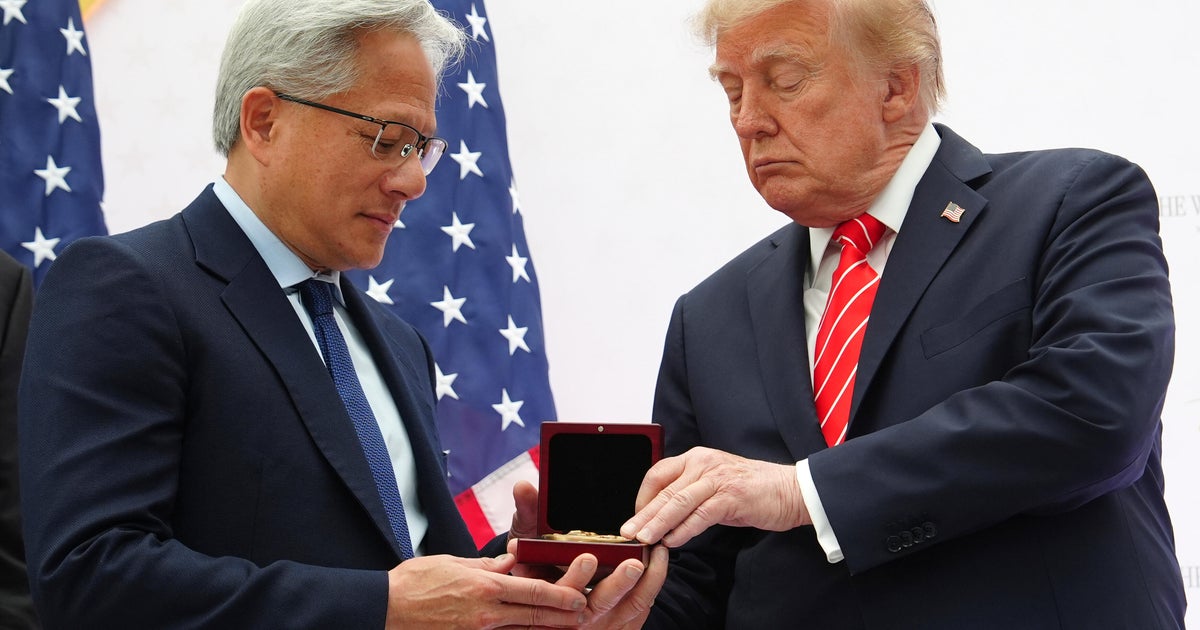
President Trump made it clear to advisers on Friday: He wanted Jensen Huang back at Nvidia. This declaration came in the wake of a significant and unexpected resignation that had sent ripples through the tech industry. Jensen Huang, the co-founder and CEO of Nvidia, had stepped down after facing mounting pressure and scrutiny regarding the company’s business practices and the implications of its technology in various sectors. His departure was not just a loss for Nvidia; it raised concerns about the future direction of the company, especially in the rapidly evolving landscape of artificial intelligence and graphics processing units (GPUs). With Nvidia being a key player in these industries, the need for stable leadership became increasingly crucial.
Huang's leadership style has always been characterized by innovation and a forward-thinking approach, which has propelled Nvidia to the forefront of the tech industry. Under his guidance, the company transformed from a graphics card manufacturer to a leader in AI technology, cloud computing, and data center solutions. His vision for Nvidia extended beyond just hardware; he emphasized the importance of software and ecosystems that support their products, allowing Nvidia to create a comprehensive platform for developers and businesses alike. Trump's insistence on Huang's return reflects a recognition of the importance of strong leadership in tech, particularly as the U.S. strives to maintain its competitive edge against global rivals in technology and AI.
The back-and-forth surrounding Huang's potential reinstatement also highlights the intricate relationship between politics and the tech industry. Trump's administration had previously focused on fostering American technological superiority, and bringing Huang back could signal a commitment to bolstering domestic talent and innovation. Moreover, the administration's interest in Nvidia extends beyond its products; it touches on broader themes such as national security, data privacy, and the ethical implications of AI. With concerns about foreign influence and technological dependency, having a visionary leader like Huang at the helm of Nvidia could be perceived as a strategic move to ensure that the U.S. remains a leader in technological advancements.
As discussions about Huang's potential return continued, industry analysts began to speculate on the implications for Nvidia and the larger technology landscape. Stakeholders, including investors, employees, and consumers, were eager to see how this situation would unfold. Would Huang's return signal a new era of growth and innovation for Nvidia, or would it lead to further controversies? The tech community watched closely, understanding that Huang’s leadership could influence not only Nvidia's trajectory but also the future of AI and computing technologies at large. As Trump made his preferences known, the stakes were high, and the outcome of these negotiations could reshape the dynamics of the tech industry for years to come.
Inside Trump's effort to reinstate Jensen Huang as Nvidia's CEO - CBS News