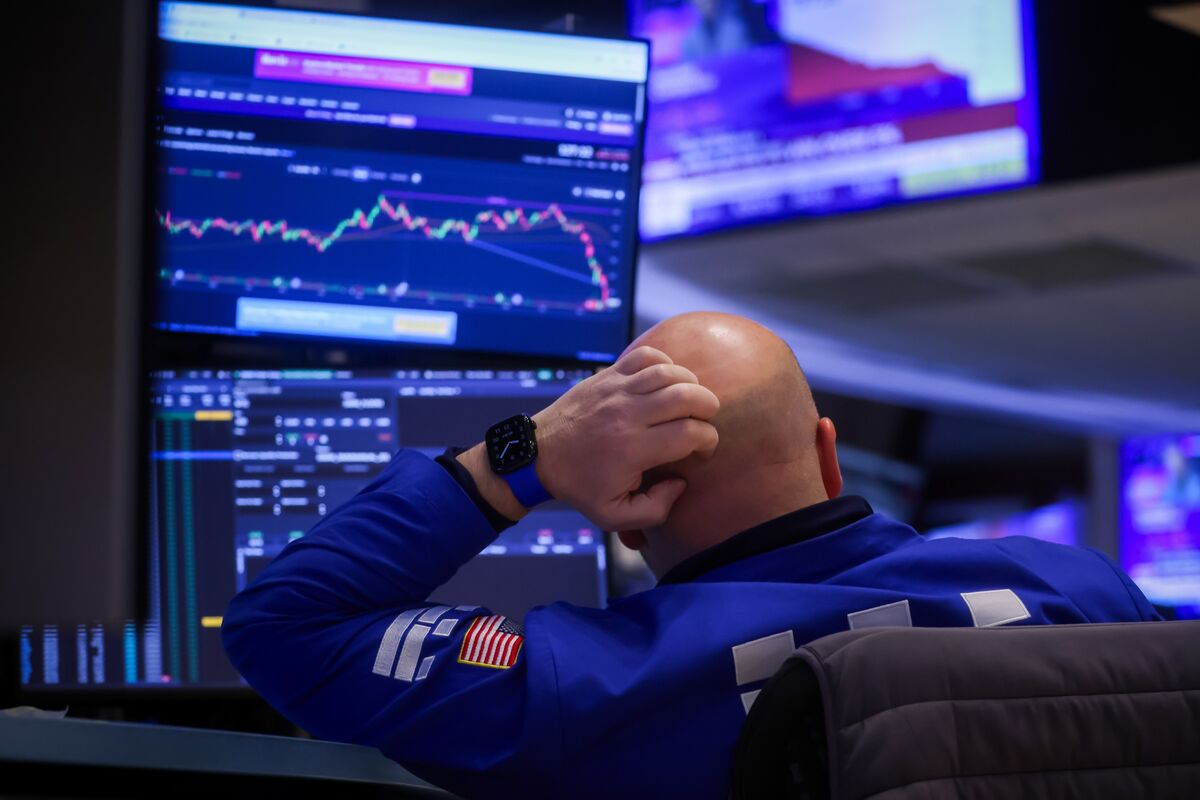
The recent selloff in equity markets has sent shockwaves through the financial landscape, prompting options traders to brace themselves for continued volatility in the weeks ahead. The upheaval, which has been marked by sharp declines across various sectors, reflects growing unease among investors regarding a confluence of economic factors. Chief among these concerns are rising interest rates, persistent inflation, and geopolitical tensions that have compounded market uncertainties. As a result, traders in the options market are adjusting their strategies to navigate this turbulent environment, seeking to capitalize on the fluctuations rather than merely weathering the storm.
In recent weeks, stocks have become increasingly volatile, experiencing significant swings that have left many investors on edge. This turbulence is largely attributed to the Federal Reserve's ongoing efforts to combat inflation through rate hikes, which have created a ripple effect throughout the economy. Higher borrowing costs can dampen consumer spending and corporate investments, leading to fears of a potential slowdown. Moreover, geopolitical tensions, such as conflicts in Eastern Europe and trade disputes, have added another layer of complexity, further unsettling investors and contributing to the unpredictability of the market.
As options traders anticipate more volatility, many are employing strategies that allow them to hedge against potential losses while also positioning themselves to benefit from market fluctuations. For instance, some traders are utilizing protective puts to safeguard their portfolios, while others are engaging in straddles or strangles to profit from expected price swings. The heightened demand for options reflects the broader sentiment in the market, where investors are increasingly looking for ways to manage risk and capitalize on short-term opportunities amidst the chaos. This adaptive approach indicates a shift in trading psychology, as market participants become more attuned to the realities of a fluctuating economic landscape.
Looking ahead, the outlook for equities remains uncertain, with many analysts predicting that the volatility may persist in the near term. As economic data continues to roll in and the Federal Reserve's policy decisions unfold, traders will likely remain vigilant, ready to adjust their positions as new information comes to light. The interplay of macroeconomic factors, combined with market sentiment, suggests that the current environment may not stabilize anytime soon. For both investors and options traders, the key will be to stay informed and agile, as the only certainty in this volatile market is the potential for more unexpected twists and turns.
Investors Brave Stock Market ‘Fragility’ as AI Trade Falters - Bloomberg.com