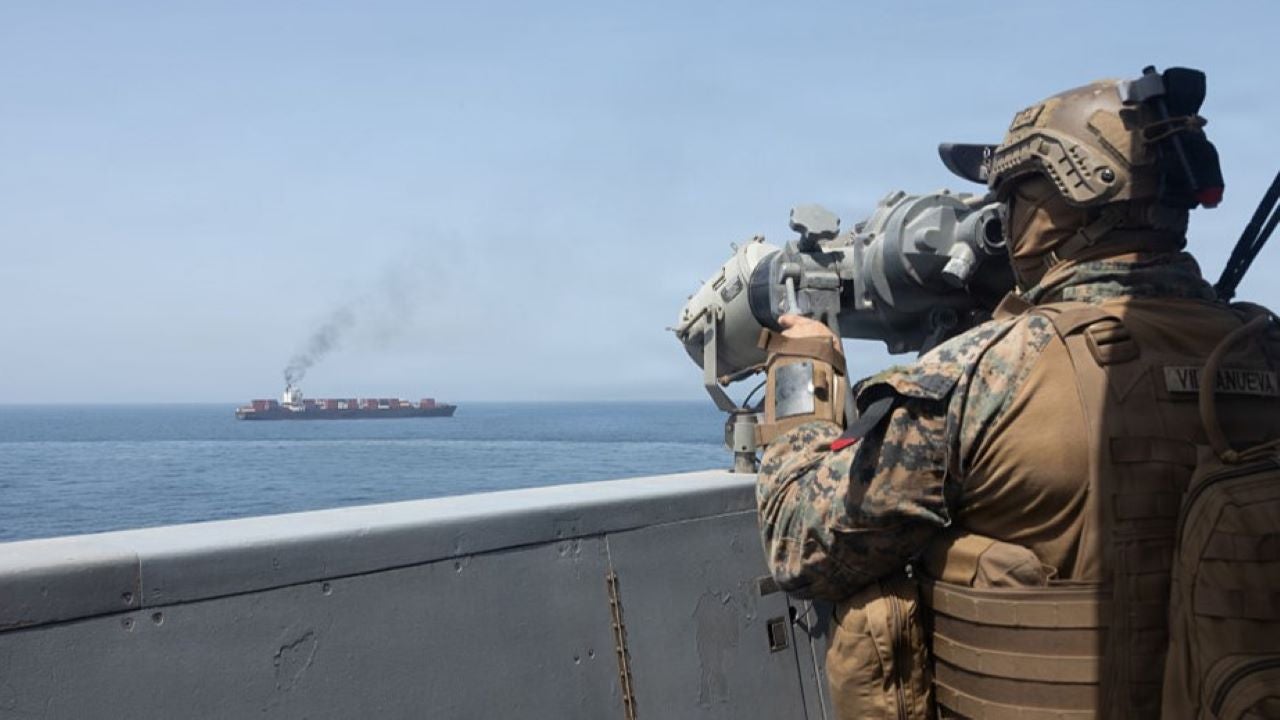
The U.S. naval blockade targeting Iran's ports and oil exports has emerged as a significant geopolitical strategy aimed at curtailing the country’s revenue streams, particularly those linked to its controversial nuclear program. According to United Against Nuclear Iran (UANI), an organization dedicated to preventing Iran from obtaining nuclear weapons, this blockade is proving effective in disrupting shipments and applying financial pressure on the Iranian economy. The blockade not only restricts the movement of oil tankers but also limits Iran's ability to engage in trade with other nations, thereby straining its economic stability. As Iran heavily relies on oil exports for its national budget, the blockade represents a substantial threat to its financial health and regional influence.
The implications of this blockade extend beyond immediate economic pressures; they also carry significant geopolitical ramifications. The disruption of Iranian oil exports is likely to affect global oil markets, leading to fluctuations in oil prices that could impact economies far beyond the Middle East. Furthermore, the blockade may exacerbate tensions between Iran and other nations, particularly those that have historically aligned with the U.S. and its sanctions regime. As Iran struggles to find alternative routes and markets for its oil, the international community watches closely, understanding that any escalation could lead to military confrontations that might draw multiple countries into conflict. This precarious situation underscores the delicate balance of power in the region and highlights the U.S. commitment to countering Iran's influence.
In response to the blockade, Iran has sought to adapt its strategies by employing various methods to circumvent the restrictions. This includes utilizing smaller vessels, engaging in covert operations, and seeking partnerships with nations that are willing to overlook U.S. sanctions. Reports indicate that Iran has increased its reliance on black market channels to sell its oil, often at discounted prices, to countries like China and Russia. However, these efforts are fraught with risks, as they require navigating a complex web of international laws and potential reprisals from the U.S. and its allies. The Iranian government has publicly condemned the blockade, framing it as an act of economic warfare and a violation of international trade norms, but the effectiveness of these tactics remains to be seen.
As the U.S. naval blockade continues to impact Iran's economy and military capabilities, the broader question of how this will influence Iran’s nuclear ambitions looms large. The Iranian leadership has consistently asserted that its nuclear program is for peaceful purposes, yet the international community remains skeptical. The ongoing blockade serves to heighten tensions surrounding Iran's nuclear activities and may push the regime to either escalate its nuclear development in defiance of the sanctions or seek diplomatic channels for relief. The outcome of this standoff will likely have lasting effects on regional stability and could reshape the dynamics of U.S.-Iran relations for years to come. As both sides navigate this precarious landscape, the stakes remain exceptionally high for all parties involved.
Iran fires on 2 ships in Strait of Hormuz after Trump extends ceasefire - Fox News