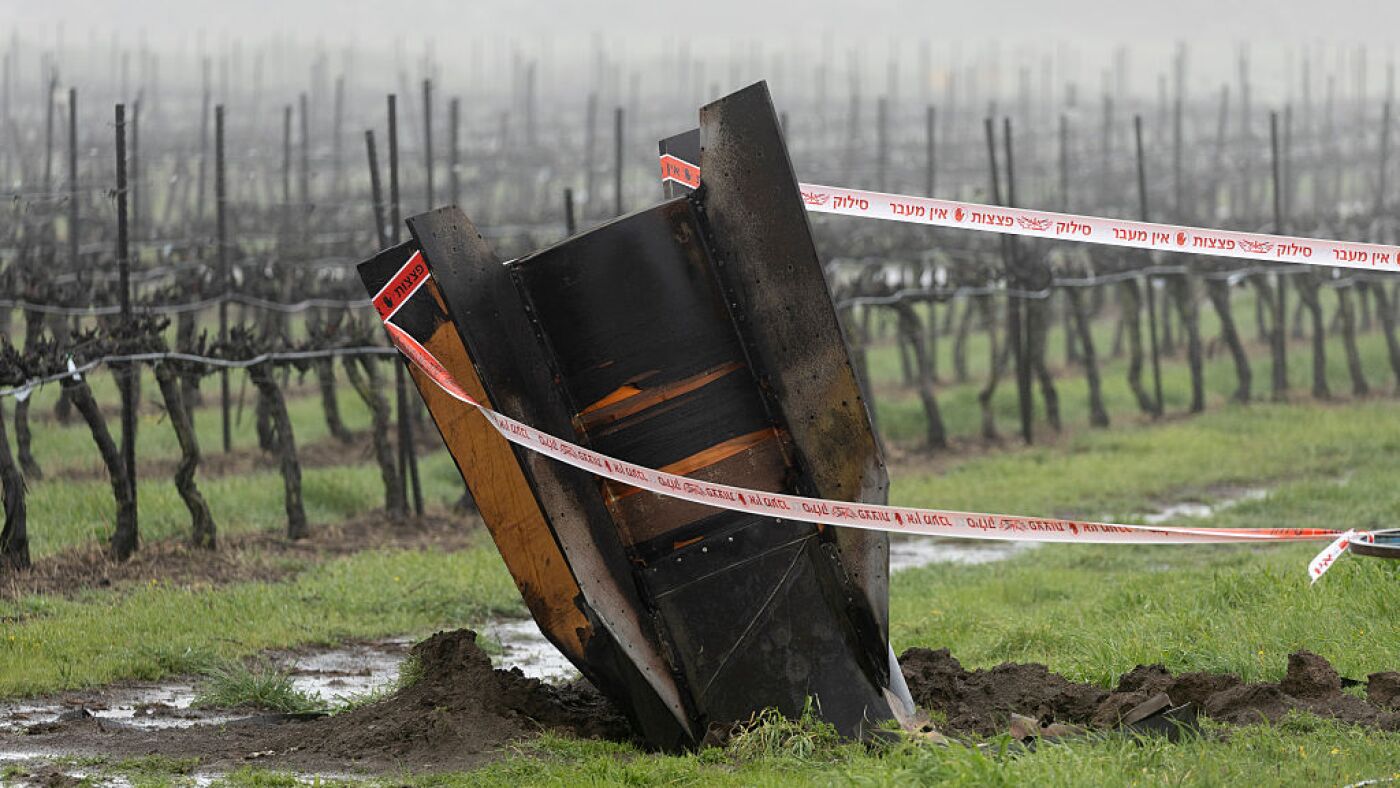
As the war in the Middle East enters its fourth week, President Trump stated on Friday that the administration is contemplating "winding down" military efforts in the region. This announcement comes amid escalating tensions and a significant toll on both military personnel and civilians caught in the conflict. The prolonged hostilities have raised critical questions about U.S. involvement and strategy, with many leaders on both sides of the aisle calling for a reassessment of American military presence in the Middle East. The potential shift in policy signals a significant moment for the Trump administration, reflecting both the pressures of domestic opinion and the complexities of foreign engagements that have historically characterized U.S. interactions in the region.
The Israeli military reported early in the week that it had intensified its operations, targeting key locations that are believed to be strongholds of militant groups. As the violence escalates, the humanitarian crisis deepens, with reports indicating a staggering number of casualties and displacement among civilians. Aid organizations are struggling to provide necessary assistance, as infrastructure has been severely damaged and access to basic necessities has dwindled. The international community is increasingly concerned about the long-term implications of the conflict, as the cycle of violence continues to claim innocent lives and destabilize the region further.
In light of these developments, President Trump's remarks about a potential military withdrawal have sparked a wide range of reactions from lawmakers and analysts. While some view this as a much-needed step towards de-escalation, others worry that a hasty exit could leave a power vacuum that might be exploited by extremist groups. Critics argue that the U.S. has a responsibility to support allies in the region and prevent further chaos, while proponents of ending military involvement emphasize the need to shift towards diplomatic solutions and focus on rebuilding efforts. This debate reflects the broader struggle within U.S. foreign policy regarding the balance between military intervention and diplomatic engagement.
As discussions about winding down military operations continue, the administration faces the challenge of navigating complex alliances and emerging threats in the Middle East. Key partners, such as Israel and various Gulf states, have vested interests in the outcome of the U.S. presence, and any shifts in strategy must take into account their security concerns. Additionally, the geopolitical landscape is shifting, with countries like Russia and Iran increasing their influence in the region. The Trump administration will need to carefully consider its next steps, balancing the urgency of addressing the humanitarian crisis with the imperative of maintaining stability and countering adversarial forces. As this situation evolves, the implications for U.S. foreign policy and the future of the Middle East remain uncertain.
Iran war enters its fourth week with no clear end in sight - NPR