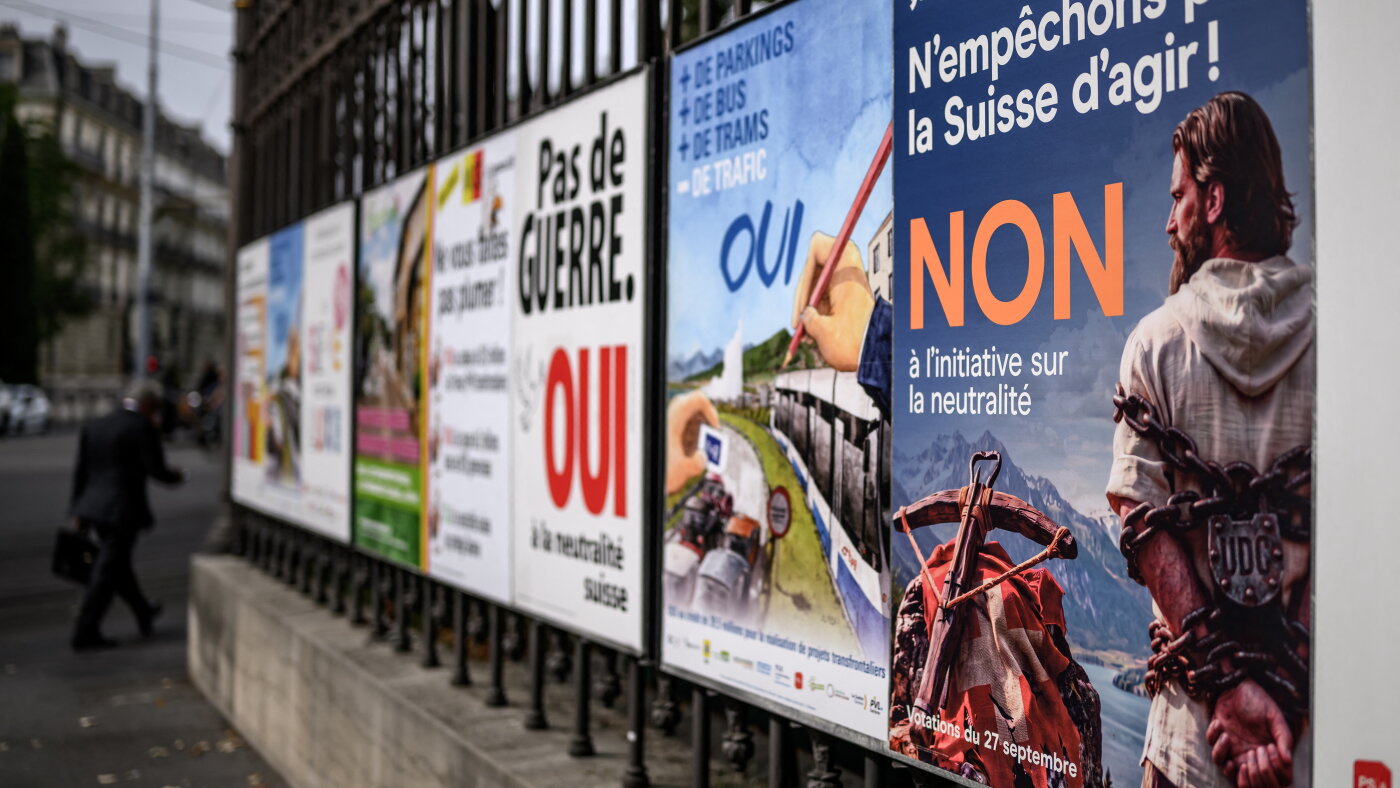
**BERN, Switzerland** - This weekend, citizens across Switzerland are participating in a pivotal referendum that could redefine the nation’s longstanding tradition of neutrality. For over two centuries, the Swiss have maintained a policy of non-involvement in armed conflicts, a stance that has been both a point of national pride and a strategic advantage. The upcoming vote aims to assess whether the Swiss populace is ready to embrace a more active role on the global stage, particularly in light of increasing geopolitical tensions and humanitarian crises that require international cooperation and intervention.
The proposal at the heart of this referendum encourages a reinterpretation of neutrality, suggesting that Switzerland could engage more directly in peacekeeping missions and humanitarian efforts. Proponents of the change argue that the world has evolved significantly since the early 19th century, and with it, the responsibilities of nations have also transformed. They contend that remaining passive in the face of global issues—such as armed conflicts, climate change, and refugee crises—no longer aligns with Switzerland’s values of human rights and global solidarity. Advocates for the measure emphasize that a more proactive stance could enhance Switzerland's role as a mediator and facilitator of peace, leveraging its reputation for diplomacy to contribute positively to global stability.
Conversely, opponents of the referendum warn that altering the traditional stance on neutrality could embroil Switzerland in international conflicts and compromise its safety. Historically, the Swiss have prided themselves on being a sanctuary for diplomatic discussions and a refuge for those fleeing war. Critics argue that by engaging in military operations, even under a humanitarian guise, Switzerland risks losing its unique position as a neutral ground. They fear that any shift away from neutrality might also lead to increased tensions with neighboring countries and could inadvertently draw Switzerland into alliances and conflicts that compromise its national interests.
As the vote approaches, the discussion surrounding this referendum has ignited passionate debates across the nation. Public opinion appears divided, with many citizens reflecting on how the changing political landscape and emerging global threats should influence Switzerland's foreign policy. The outcome of this referendum will not only determine the future of Swiss neutrality but could also signal a shift in the country’s identity and role in international relations. As the Swiss people prepare to cast their ballots, the world watches closely, understanding that this decision may have far-reaching implications for both Switzerland and the broader international community.
Is Switzerland's neutrality at a crossroads? - NPR