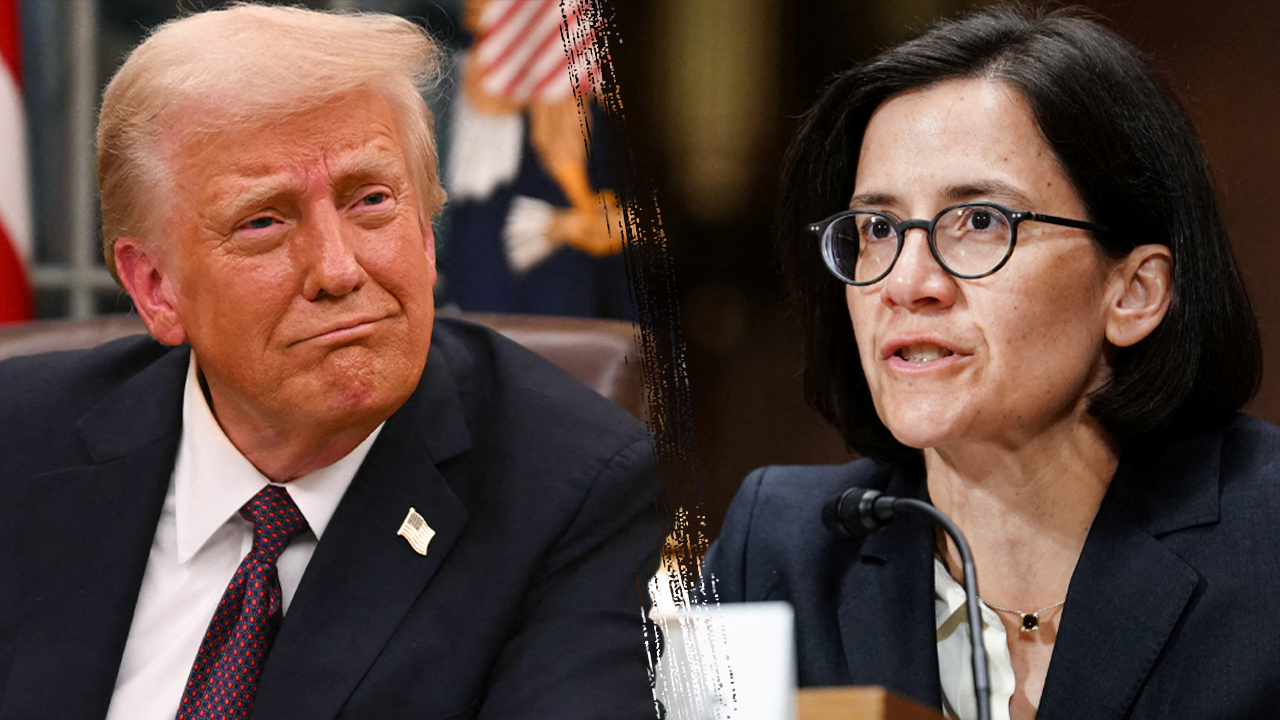
A Biden-appointed judge recently made headlines by reversing a prior decision regarding the contentious issue of tree removal at a federally owned golf course in Washington, D.C., which has become a focal point in the ongoing legal battles between the Biden administration and the Trump administration's policies. The golf course, known for its picturesque views and recreational opportunities, has been at the center of environmental discussions, particularly concerning the ecological impact of removing hundreds of trees. The decision to remove these trees was initially justified by the previous administration as necessary for maintenance and safety reasons, but critics argued that it posed significant risks to local wildlife and the environment, sparking public outcry and legal challenges.
The controversy surrounding the tree removal escalated as environmental groups and community members rallied to protect the trees, emphasizing their role in carbon sequestration, habitat preservation, and aesthetic beauty. The Biden-appointed judge's reconsideration of the case reflects a broader commitment within the current administration to prioritize environmental conservation and sustainability. During Monday's hearing, the judge expressed concerns about the potential long-term effects of deforestation on the local ecosystem and the importance of adhering to environmental regulations that have historically safeguarded natural resources. This shift in perspective not only underscores the ideological divide between the two administrations but also highlights the judicial system's role in environmental governance.
In addition to the immediate environmental implications, the judge's ruling carries significant political weight. It symbolizes a rejection of the previous administration's approach, which often prioritized development and economic activities over environmental stewardship. By reversing the decision, the judge has positioned the current administration as a defender of environmental integrity, potentially influencing future policies related to land use and conservation. Legal experts suggest that this case may set a precedent for how similar disputes are handled in the future, particularly as the nation grapples with the effects of climate change and the urgent need for sustainable practices.
As the story unfolds, the implications of this ruling will likely resonate beyond the borders of Washington, D.C. Environmental advocates are hopeful that this decision will inspire other jurisdictions to reevaluate their own policies regarding land use and conservation efforts. Furthermore, the ongoing debate over the balance between development and environmental protection is likely to intensify, especially as communities across the nation confront similar challenges. The commitment to preserving natural resources while accommodating recreational spaces like golf courses will continue to be a contentious issue, drawing the attention of both policymakers and the public in the coming months.
Judge Trump called a ‘lunatic’ abruptly backs off demand after showdown with DOJ No. 3 - Fox News