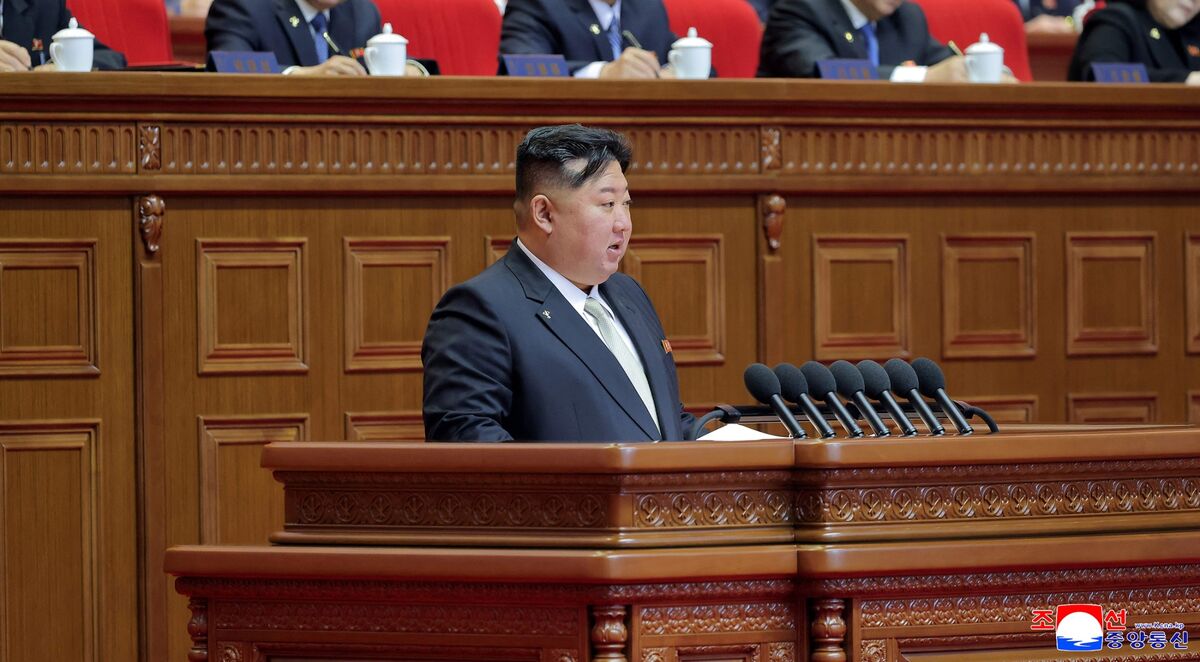
North Korean leader Kim Jong Un has recently reaffirmed a controversial military policy that mandates soldiers to commit suicide on the battlefield rather than face capture. This policy emerges amidst North Korea's increasing involvement in the geopolitical tensions surrounding Russia's war against Ukraine. By enforcing such a drastic measure, Kim aims to bolster his military's resolve and loyalty, reflecting a long-standing ethos within the North Korean regime that prioritizes honor and duty above all else. The grim directive underscores the lengths to which the regime will go to maintain control over its military forces and ensure unwavering allegiance to the state.
During a recent event, Kim Jong Un emphasized the importance of this policy as a means to prevent the potential embarrassment and propaganda opportunities that could arise from captured soldiers. The North Korean government has historically portrayed itself as an invincible and unyielding force, and any scenario that contradicts this image could have detrimental effects on the regime's stability. By instilling a culture of martyrdom among troops, Kim seeks to reinforce the narrative that surrender is not an option, thereby cultivating an atmosphere of fear and desperation that discourages defection or capture.
The implications of this policy extend beyond the battlefield. It reflects the broader context of North Korea's military strategy and its alignment with Russia's interests in the ongoing conflict in Ukraine. As the Kremlin faces increasing scrutiny and isolation due to its actions, Kim's support serves to strengthen the ties between the two nations. This partnership, characterized by shared goals and mutual interests, may also pave the way for increased military collaboration, further complicating the geopolitical landscape in Eastern Europe and beyond.
Critics of the policy argue that it highlights the dire conditions under which North Korean soldiers operate, often facing severe shortages of resources and support. The requirement to take one's own life instead of surrendering is seen as a desperate measure that reflects the regime's inability to provide adequate protections for its troops. Moreover, such a policy raises ethical concerns about the treatment of soldiers and the value placed on human life within the North Korean military framework. As the situation unfolds, it remains to be seen how this policy will impact the morale of North Korean forces and the overall dynamics of the conflict in Ukraine.
Kim Jong Un Confirms Soldier ‘Self-Blasting’ Policy in Ukraine - Bloomberg.com