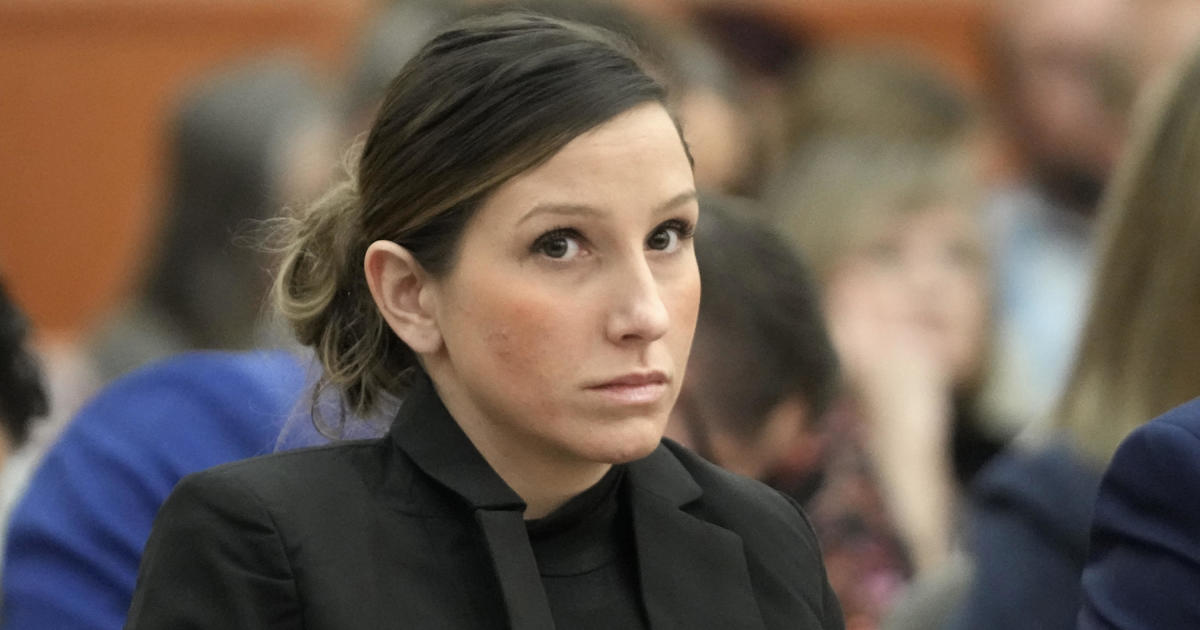
Kouri Richins, a Utah mother who gained national attention for the tragic circumstances surrounding her husband's death, has been found guilty of all charges in a high-profile murder trial. The jury's decision came after they deliberated for several hours, reflecting on the evidence presented during the trial. Richins was accused of fatally poisoning her husband, Eric Richins, in March 2022, a shocking event that not only devastated her family but also raised eyebrows in her community. The case attracted widespread media coverage, particularly due to the contrast between the serious allegations against her and her subsequent publication of a children's book about grief shortly after her husband's death.
The prosecution argued that Richins had a motive rooted in financial gain, claiming she stood to benefit substantially from her husband’s life insurance policy. They presented evidence suggesting that Richins had been planning the murder, including messages and conversations that indicated her intent. The jury was tasked with sifting through complex details, including the toxicology reports that showed the presence of a lethal substance in Eric Richins’s system. The prosecution’s case painted a picture of a woman who, under the guise of a grieving widow, had orchestrated her husband's death to secure a more comfortable future for herself and her children.
On the other hand, the defense attempted to portray Kouri as a loving mother and a devoted wife who was wrongfully accused. Her legal team emphasized the lack of direct evidence linking her to the act of murder and argued that the case was built on circumstantial evidence. They suggested that the prosecution's narrative was driven by a desire to sensationalize the case, rather than presenting a clear picture of the facts. Richins herself took the stand, maintaining her innocence and expressing her deep sorrow over the loss of her husband, insisting that she had no role in his untimely death.
The jury's verdict marks a significant moment in a case that has captivated the public's attention, highlighting the complexities of familial relationships, mental health, and the limits of grief. As Kouri Richins awaits sentencing, her story raises important questions about the impact of loss on individuals and families, as well as the legal ramifications of alleged domestic violence. The juxtaposition of her actions—murder and then writing a children's book on grief—adds a layer of tragedy to the case, provoking discussions about the nature of grief, the masks people wear in public, and the dark undercurrents that can exist within seemingly idyllic family lives.
Kouri Richins, Utah mom who wrote grief book, found guilty of murdering her husband - CBS News