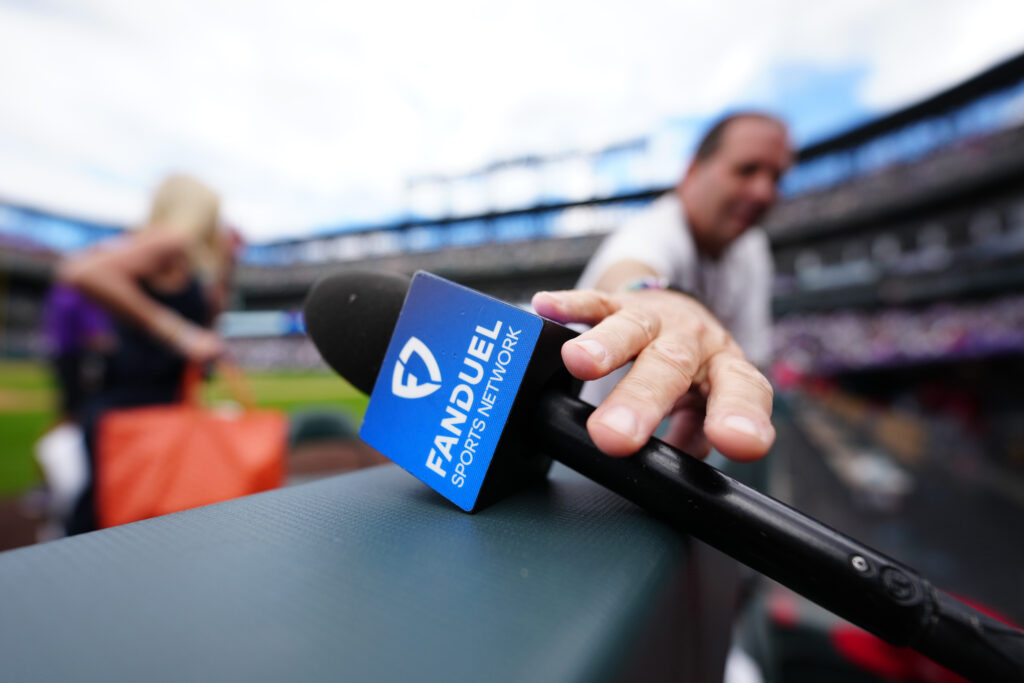
Major League Baseball (MLB) is set to significantly expand its influence in the world of sports broadcasting, as it takes over the broadcasts of six additional teams in 2026. According to reports from John Ourand of Puck, the teams involved in this transition are the Milwaukee Brewers, Miami Marlins, Tampa Bay Rays, Kansas City Royals, St. Louis Cardinals, and Cincinnati Reds. This move marks a pivotal moment in MLB's ongoing efforts to modernize its broadcasting strategy and enhance fan engagement. By bringing these teams under its umbrella, MLB aims to provide a more streamlined and consistent viewing experience for baseball fans across the nation.
The decision to take control of these broadcasts reflects a broader trend within professional sports, where leagues are seeking to establish more direct relationships with their fan bases. Historically, many teams have relied on regional sports networks (RSNs) to air their games, but the landscape has been shifting due to varying factors, including changes in consumer viewing habits and the financial struggles faced by many RSNs. By managing the broadcasts themselves, MLB can ensure that content is accessible to a wider audience, potentially reaching fans who may not have subscribed to traditional cable services. This move is also expected to provide the league with greater revenue opportunities, allowing it to invest more in teams, player development, and community outreach programs.
Furthermore, this change comes at a time when the demand for sports content is evolving rapidly. The rise of streaming services has altered how fans consume live sports, prompting leagues to adapt their strategies accordingly. MLB's decision to take over broadcasts can be seen as a proactive step in embracing the digital age, as the league looks to incorporate innovative technologies and platforms that resonate with younger audiences. By controlling the distribution of games, MLB can experiment with different formats, interactive features, and enhanced viewing experiences, all of which could attract new fans and retain existing ones.
As the 2026 season approaches, it will be interesting to see how this transition unfolds for the six teams involved. The implications of this shift extend beyond just broadcasting; it also raises questions about the future of regional sports networks and the overall landscape of sports media. With MLB at the helm, fans can anticipate a more cohesive and engaging approach to watching their favorite teams. This strategic move not only highlights MLB's commitment to evolving with the times but also solidifies its role as a leader in the sports industry, ensuring that baseball remains a beloved pastime for generations to come.
MLB To Take Over Broadcasts For Six Additional Teams - MLB Trade Rumors