OTTUMWA, Iowa – A measles outbreak in southern Iowa has expanded, with Iowa Health and Human Services confirming 17 cases, an increase of two from the previous update. This alarming rise in cases has prompted health officials to intensify their efforts to control the spread of the virus, emphasizing the importance of vaccinations as a primary preventive measure. Measles, a highly contagious viral infection, can lead to severe complications, particularly in young children, which has raised concerns among parents and community members alike. Health officials are urging anyone who has not been vaccinated or is unsure of their vaccination status to seek guidance and vaccination immediately.
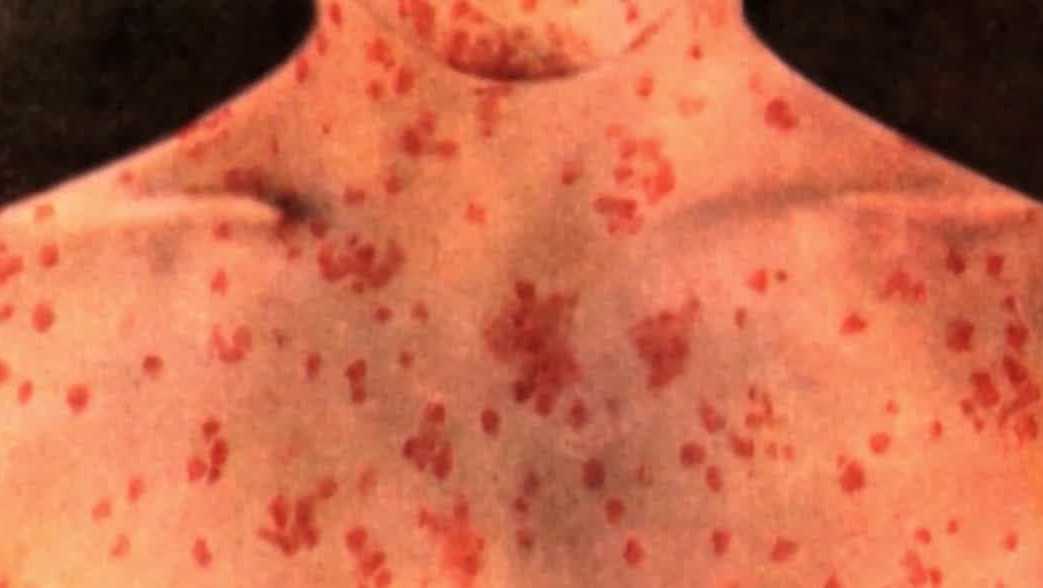
In response to the outbreak, local health authorities have initiated a series of community outreach programs aimed at educating residents about the symptoms of measles and the importance of herd immunity. Symptoms typically include high fever, cough, runny nose, and a distinctive rash that usually appears several days after the initial symptoms. The Iowa Department of Public Health has also urged individuals who suspect they have been exposed to the virus to self-isolate and contact their healthcare providers to prevent further transmission. The swift action underscores the critical need for public awareness and education regarding vaccine-preventable diseases.
Moreover, the outbreak has ignited discussions about vaccine hesitancy, which has contributed to the resurgence of measles in various regions across the United States. Many health experts attribute the increasing number of outbreaks to misinformation and fears surrounding vaccines. To combat this, health officials are working in collaboration with schools, community centers, and local organizations to disseminate accurate information about the safety and efficacy of vaccines. They are also reminding the public that measles can be prevented through vaccination, with the measles, mumps, and rubella (MMR) vaccine being highly effective.
As the situation evolves, health officials are closely monitoring the outbreak and are prepared to implement additional measures if necessary. This includes potential quarantine protocols for individuals who have been in contact with confirmed cases, as well as expanded vaccination clinics in areas particularly affected by the outbreak. The community's response will be crucial in controlling the spread of measles and ensuring that residents stay informed and protected. By fostering a collaborative approach between health authorities and the public, Iowa can work towards mitigating the impact of this outbreak and safeguarding the health of its citizens.
Measles outbreak in southern Iowa expands to 17 cases, new potential exposure location added - KCCI