Measles outbreaks are increasingly becoming a pressing public health concern, particularly along the Utah-Arizona border and in South Carolina. In these areas, health officials are grappling with the resurgence of this highly contagious viral infection, which was once considered under control in the United States due to widespread vaccination efforts. The recent uptick in cases has prompted local health departments to implement strict quarantine measures, affecting hundreds of individuals who may have been exposed to the virus. The situation underscores the importance of maintaining high vaccination coverage to prevent outbreaks and protect vulnerable populations, particularly infants and individuals with compromised immune systems.
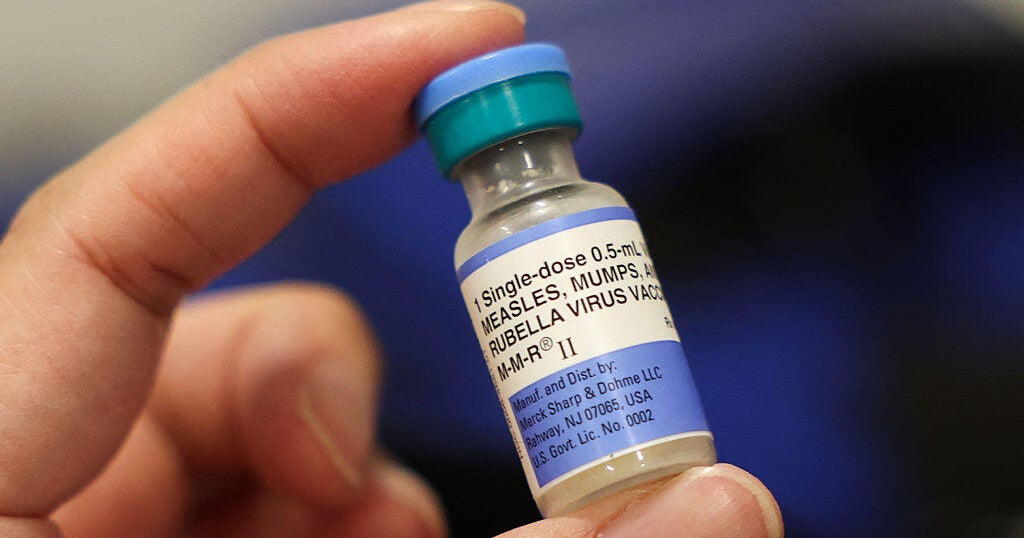
In South Carolina, the situation has escalated dramatically, with health officials confirming 27 new measles cases between Friday and Tuesday alone. This rapid increase has alarmed public health authorities, who are now racing against time to contain the outbreak. Contact tracing efforts are underway to identify and isolate individuals who may have been exposed, ensuring that the virus does not spread further. The affected individuals are primarily those who have not been vaccinated, highlighting the critical role that vaccination plays in safeguarding community health. Public health campaigns are being reinvigorated to promote the importance of the measles, mumps, and rubella (MMR) vaccine, which is a vital tool in preventing such outbreaks.
The Utah-Arizona border has also seen a troubling rise in measles cases, with local health officials urging residents to be vigilant. The close-knit communities in this region often see rapid transmission of infections, especially among unvaccinated populations. Health officials are working closely with community leaders to disseminate accurate information about the dangers of measles and the benefits of vaccination. They are also addressing misinformation that may contribute to vaccine hesitancy, which is a significant barrier to achieving herd immunity. By fostering open dialogue and providing education, public health authorities aim to increase vaccination rates and mitigate the spread of measles.
The growing measles outbreaks serve as a stark reminder of the potential consequences of declining vaccination rates and the importance of community immunity. As more cases are reported and quarantines are enforced, it becomes increasingly clear that proactive measures are essential to protect public health. Health officials continue to advocate for vaccinations not only as a personal health choice but as a communal responsibility to prevent the spread of infectious diseases. With the right strategies in place, including outreach, education, and support for vaccinations, communities can work together to overcome these outbreaks and safeguard the health of their populations.
Measles outbreaks worsen in South Carolina, Arizona and Utah - CBS News