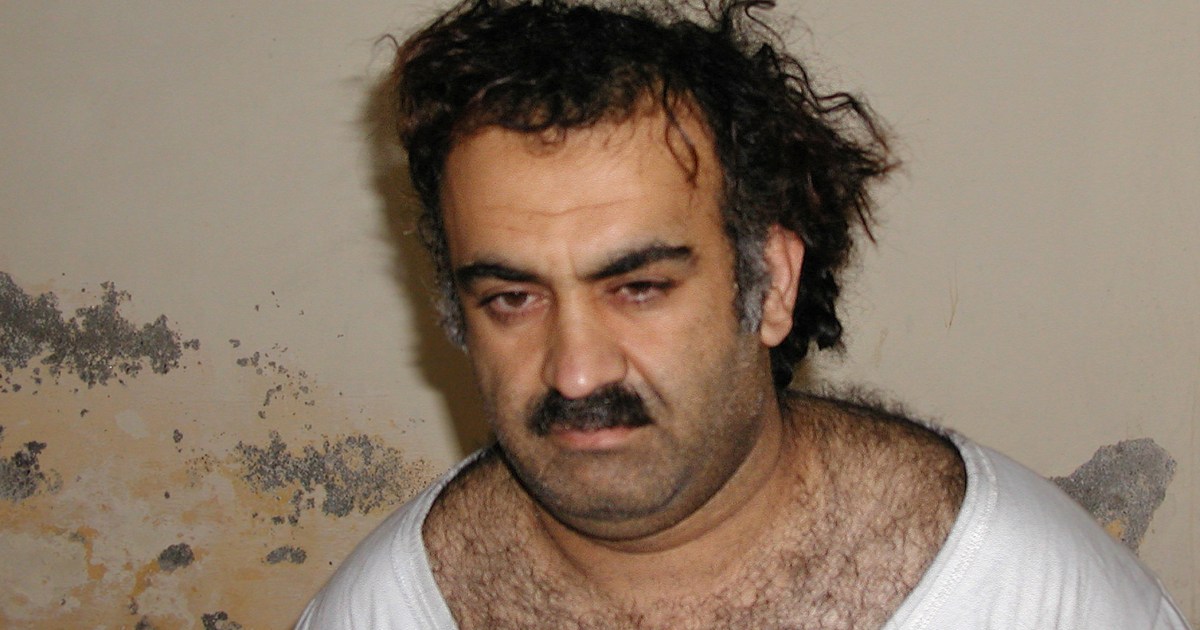
A military judge has made a significant ruling regarding the long-awaited trial of Khalid Sheikh Mohammed, the alleged mastermind behind the September 11, 2001, terrorist attacks. The judge has set the trial date for June 2028, a decision that underscores the prolonged and complex nature of legal proceedings related to terrorism cases stemming from that fateful day. Mohammed, along with several co-defendants, will face charges that include conspiracy, murder, and terrorism. This ruling has reignited discussions about the judicial process within military commissions and the challenges involved in prosecuting individuals accused of high-profile terrorist acts.
The decision to schedule the trial for 2028 comes after years of delays and extensive pre-trial motions, reflecting the intricacies of gathering evidence, the complexities of legal representation, and the challenges posed by the defendant's detention at Guantanamo Bay. Defense attorneys have argued that the prolonged duration of the pre-trial phase has affected their ability to adequately prepare for the case, citing issues such as limited access to classified materials and the difficulties of working within the military commission framework. Furthermore, the case has been marked by a series of procedural setbacks, including changes in legal representation, the impact of the COVID-19 pandemic on court schedules, and ongoing debates regarding the admissibility of certain evidence.
Khalid Sheikh Mohammed, often referred to as KSM, has been in U.S. custody since his capture in 2003. His alleged role in orchestrating the 9/11 attacks, which resulted in the deaths of nearly 3,000 individuals and significant global repercussions, has made him a figure of immense public interest and controversy. The military commission system, which is specifically designed to handle cases involving terrorism and war crimes, has faced criticism over its perceived lack of transparency and fairness compared to civilian courts. Advocates for justice and civil liberties have expressed concerns about due process and the potential for politically motivated outcomes in such high-stakes cases.
As the trial date approaches, attention will likely focus on the broader implications of the proceedings for U.S. counterterrorism policy and the legal landscape surrounding military commissions. The outcome of Mohammed's trial could set important precedents for how similar cases are handled in the future, influencing not only the prosecution of terrorism suspects but also the public's perception of justice in the wake of 9/11. With nearly two decades having passed since the attacks, the pursuit of accountability remains a significant and sensitive topic for many, making the upcoming trial a critical chapter in the ongoing narrative of national security and the rule of law.
Military trial date set for alleged mastermind of Sept. 11 attacks - NBC News