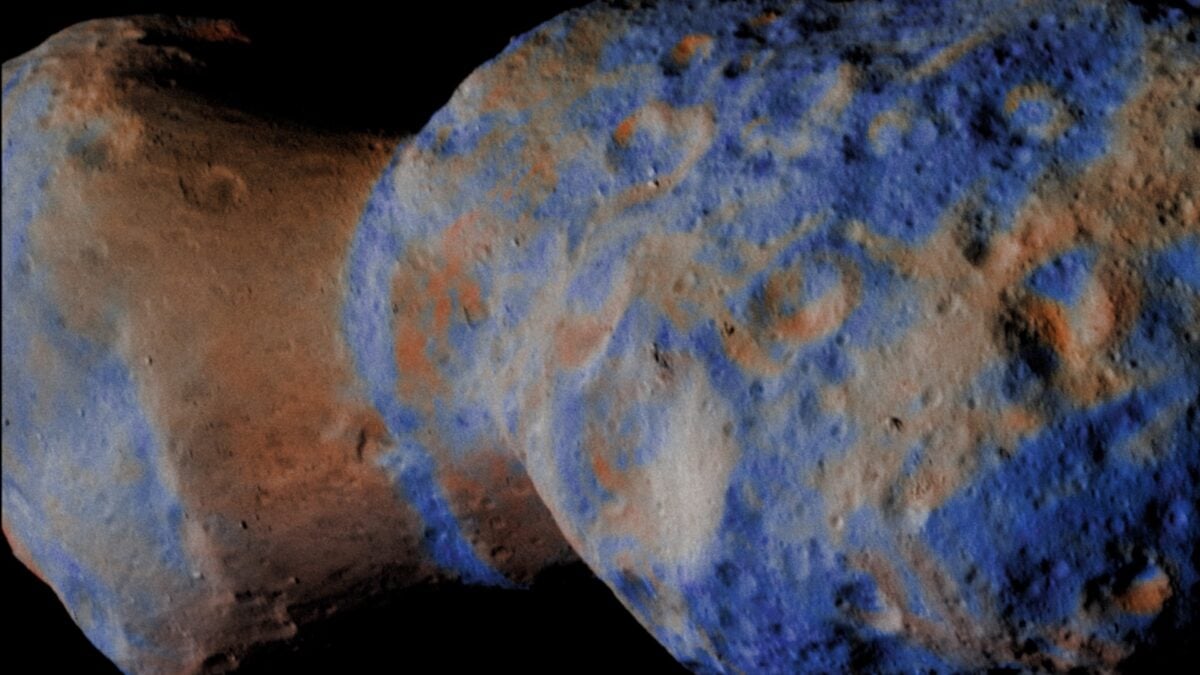
On April 20, 2025, the Lucy spacecraft achieved a significant milestone in its mission to explore the early solar system by conducting a close flyby of an unusual asteroid named 52246 Donaldjohanson. Known for its peculiar peanut shape and heavily cratered surface, this asteroid is part of the Trojan population, which shares an orbit with Jupiter. The spacecraft's high-resolution cameras and scientific instruments captured stunning images and valuable data, revealing the asteroid's unique geological features and providing insights into its history. The flyby not only marked a highlight in Lucy's journey but also underscored humanity's growing capability and ambition in planetary exploration.
The images transmitted back to Earth painted a vivid picture of the asteroid's formation and evolution over billions of years. Scientists believe that 52246 Donaldjohanson, like many other Trojans, is a remnant from the early solar system, containing primitive materials that have remained relatively unchanged since their inception. These asteroids are considered time capsules, offering clues about the conditions and processes that existed during the formation of the planets. The craters on the surface of Donaldjohanson suggest a tumultuous past marked by collisions and impacts, hinting at a violent history that has shaped its current form.
In addition to its visual allure, the data collected by Lucy during the flyby is expected to provide answers to fundamental questions about the building blocks of the solar system. Researchers are particularly interested in understanding the composition of the asteroid's surface materials, which could include organic molecules and ices. By studying these components, scientists hope to gain insights into the origin of water and organic compounds on Earth, potentially shedding light on how life may have developed in our planet's early history. The findings from this mission could not only enhance our understanding of our own solar system but also inform the search for life beyond Earth.
As the Lucy spacecraft continues its journey, it will rendezvous with several other Trojan asteroids, each with its own unique characteristics and story to tell. The mission, which is named after the famous fossilized human ancestor, symbolizes the quest to uncover our origins – both as a species and as a part of the cosmos. With each flyby, Lucy aims to unravel the mysteries of these ancient celestial bodies, forging connections between the past and the present. The success of this mission not only enriches our knowledge of the solar system but also inspires future generations to look up to the stars and explore the possibilities that lie beyond our home planet.
NASA Flyby Reveals Violent Origin of Weird Peanut-Shaped Asteroid - Gizmodo