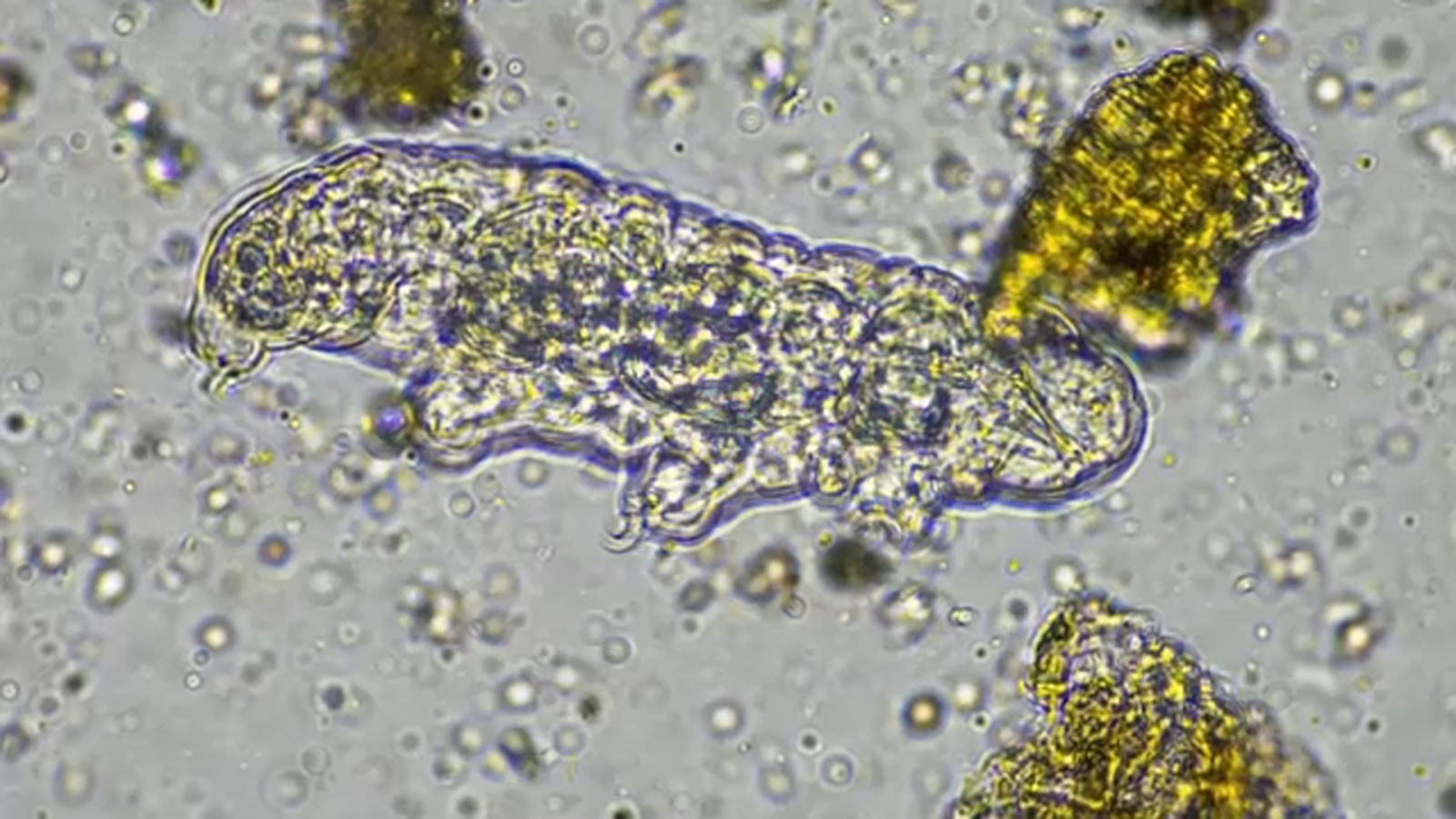
RALEIGH, N.C. (WTVD) — North Carolina health officials have reported a tragic case involving a teenager who recently lost their life after contracting a rare and deadly brain-eating amoeba known scientifically as Naegleria fowleri. This shocking incident highlights the potential dangers associated with freshwater bodies, where this amoeba is commonly found. The identity of the teenager has not been disclosed, but health authorities are urging the public to take precautions when swimming or engaging in water activities in warm freshwater lakes, rivers, and hot springs, where the amoeba typically thrives.
Naegleria fowleri is a free-living amoeba that can cause a severe and often fatal brain infection called primary amoebic meningoencephalitis (PAM). The infection usually occurs when contaminated water enters the body through the nose, often when individuals are swimming or diving in warm freshwater environments. Symptoms of PAM can appear within one to two weeks of exposure and may include severe headaches, fever, nausea, vomiting, and a stiff neck, quickly escalating to confusion, seizures, and coma. The rapid progression of this illness makes early diagnosis and treatment crucial, yet the disease remains extremely rare, with only a handful of cases reported in the United States each year.
In light of this tragic event, health officials are emphasizing the importance of public awareness regarding the risks associated with freshwater swimming. They recommend that individuals refrain from submerging their heads in warm freshwater and ensure that they avoid stirring up sediment in shallow water, as this can increase the likelihood of amoeba exposure. Additionally, people are advised to use nose clips or keep their heads above water when swimming in such environments. Public awareness campaigns and educational resources are being developed to inform communities about safe swimming practices and the signs of Naegleria fowleri infection.
The recent incident has sparked discussions among health professionals and the public about the need for increased awareness of rare but potentially fatal waterborne illnesses. While the occurrence of Naegleria fowleri infections remains low, the risks are very real, particularly during warmer months when people are more likely to engage in outdoor water activities. This unfortunate case serves as a stark reminder of the hidden dangers that can lurk in nature, and it underscores the importance of staying informed and vigilant while enjoying recreational activities in freshwater environments.
NC teen dead after contracting rare brain-eating amoeba found in freshwater health officials confirm - ABC11 News