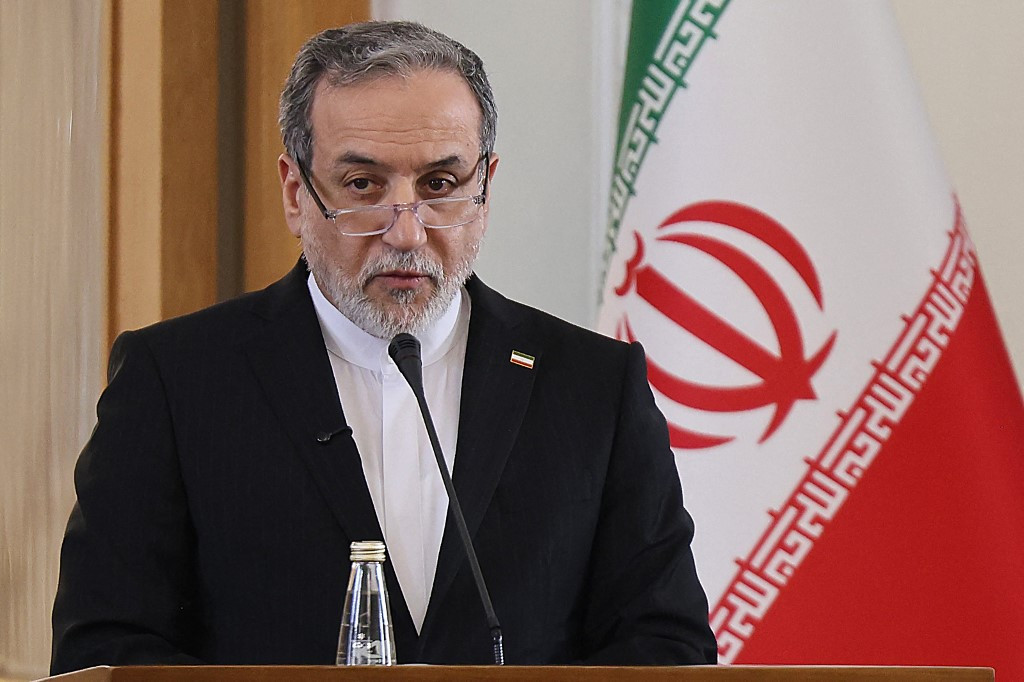
Oil prices plunged in early Asian trade on Wednesday following a significant diplomatic development between the United States and Iran. The two nations reached an agreement on a two-week ceasefire, which has led to a temporary reduction in tensions in a region that is critical to global oil supply. This ceasefire is particularly notable given the ongoing geopolitical strife surrounding Iran’s nuclear program and its regional activities, which have previously resulted in volatile oil prices. Market analysts believe that the agreement could serve as a stabilizing factor, at least in the short term, for oil markets that have been sensitive to geopolitical unrest.
Iran's decision to allow ships to pass safely through the Strait of Hormuz is a critical component of this ceasefire. The Strait of Hormuz is a vital waterway through which approximately 20% of the world’s oil supply is transported, making it a focal point for international shipping and energy markets. By ensuring safe passage for vessels, Iran is potentially easing fears of disruptions that could arise from military confrontations in the area. This development is likely to reassure traders and investors, contributing to the drop in oil prices as they anticipate a more stable environment for shipping and oil transportation during the ceasefire period.
The market's reaction to this news reflects the delicate balance between geopolitical events and oil prices. In recent months, fluctuations in oil prices have been heavily influenced by fears of military conflict, particularly involving Iran and its neighboring countries. The announcement of the ceasefire is perceived as a positive sign that diplomatic channels remain open, which could lead to further negotiations in the future. If sustained, this diplomatic engagement might result in a more substantial reduction in market volatility, thereby allowing oil prices to stabilize as supply concerns recede.
However, while the ceasefire has prompted a temporary decline in oil prices, analysts caution that the situation remains fluid. The potential for renewed hostilities or further complications in US-Iran relations could quickly reverse the current trend. Additionally, market participants will be closely monitoring other factors that influence oil prices, such as OPEC's production decisions, changes in global demand, and the impact of economic data releases. Therefore, while the ceasefire is a welcome development for the oil market, it is essential for stakeholders to remain vigilant and adaptable to the evolving geopolitical landscape.
Oil Plunges as Iran Reopens Hormuz Under Two-Week Truce - kyivpost.com