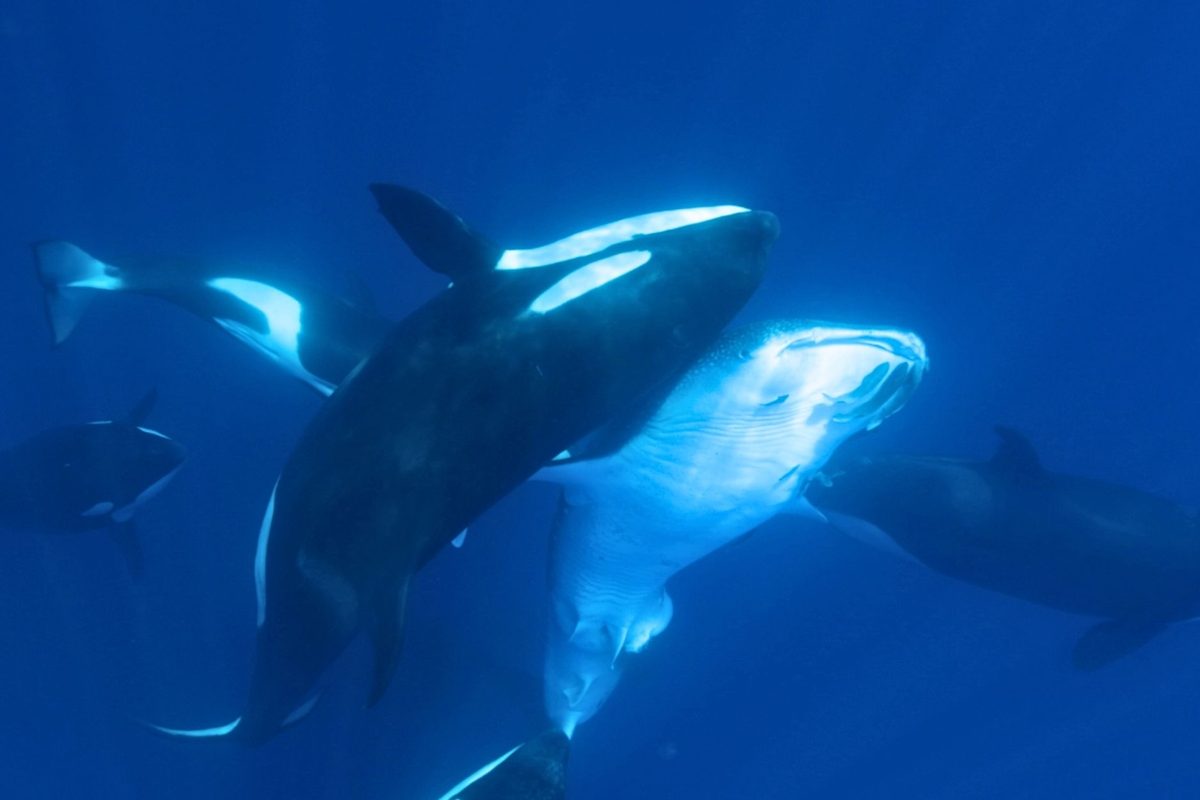
Orcas, commonly referred to as killer whales, are remarkable marine mammals that possess a diverse diet, which includes various forms of marine life such as fish, sea turtles, and even other mammals. Their complex hunting strategies and social structures make them one of the most fascinating species in the ocean. These apex predators are not only known for their impressive size and intelligence but also for their ability to adapt their hunting techniques based on their environment and the availability of prey. Recent studies have shed light on a pod of orcas in the Gulf of California that has seemingly developed unique hunting methods and social behaviors, showcasing the adaptability and ingenuity of these marine mammals.
The Gulf of California, a rich and biodiverse marine ecosystem, serves as a critical habitat for a variety of species, making it an ideal location for orcas to hunt. This region is home to numerous fish species, including tuna and sardines, as well as marine mammals such as sea lions and dolphins. Research has indicated that the orca pod in this area has begun to utilize sophisticated hunting techniques that differ from those observed in other regions. For instance, they have been seen coordinating their movements to create waves that wash prey off the ice or to herd schools of fish into tighter groups, making them easier to catch. Such behaviors demonstrate not only the intelligence of orcas but also their ability to learn and adapt to local conditions, thereby enhancing their foraging success.
Moreover, the social structure of orca pods is highly intricate, characterized by strong familial bonds and cooperative hunting strategies. In the Gulf of California, this particular pod appears to rely heavily on collaboration, with individuals taking on specific roles during hunts. This cooperation is crucial, as it allows them to tackle larger and more challenging prey while minimizing the risk of injury. The dynamics within the pod are also instrumental in the transmission of knowledge and skills related to hunting, as younger orcas learn from the more experienced members. Such social learning ensures that successful hunting techniques are passed down through generations, enriching the pod's collective repertoire and securing their survival in a competitive marine environment.
The implications of these findings extend beyond the immediate behaviors of orcas in the Gulf of California; they also highlight the importance of conserving marine ecosystems. As apex predators, orcas play a vital role in maintaining the health of marine environments, and their unique hunting strategies can serve as indicators of ecosystem health. Protecting their habitat and the diverse marine life within it is essential not only for the orcas themselves but for the overall balance of the marine ecosystem. Continued research into the behaviors and adaptations of orcas will contribute to our understanding of these magnificent creatures and the challenges they face in an ever-changing ocean, ultimately underscoring the need for heightened conservation efforts to safeguard their future.
Orcas are hunting whale sharks – the largest fish in the world – and they're doing it in an astonishing way - BBC Wildlife Magazine