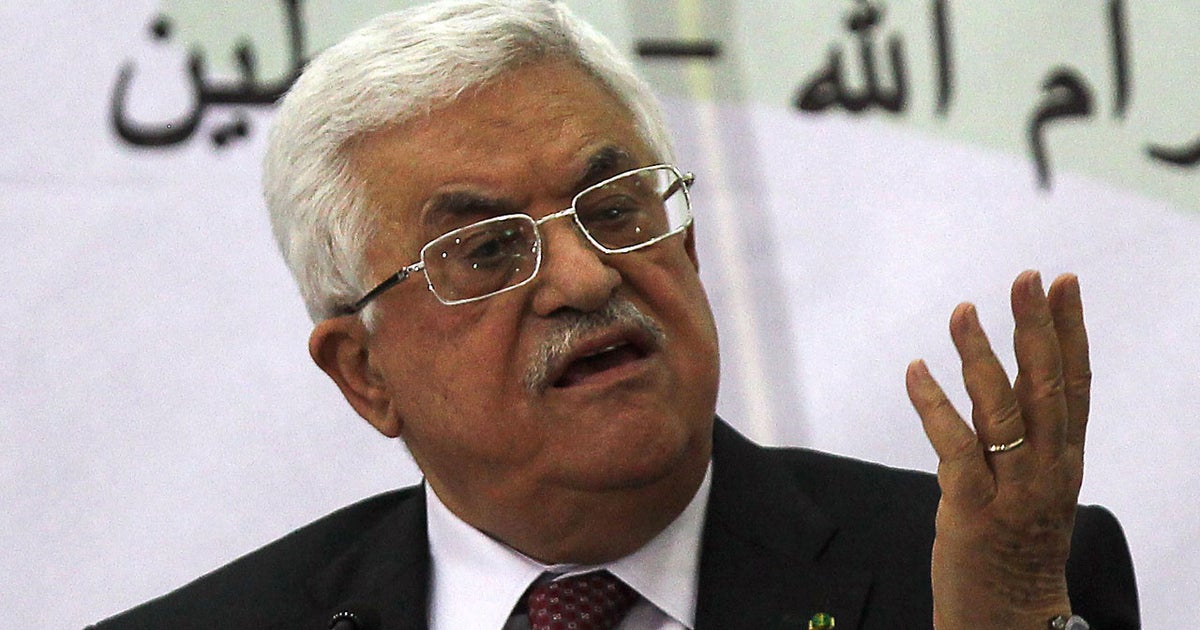
President Mahmoud Abbas has once again postponed what would have marked the first Palestinian elections in nearly two decades, a decision that has sparked significant disappointment and frustration among many Palestinians. The announcement, made through a presidential decree on Friday, indicates that the long-awaited elections for the Palestinian Legislative Council will be delayed yet again, without a specified new date. This decision has raised questions about the future of democratic governance in the Palestinian territories, as many citizens and political analysts were hopeful that these elections could reinvigorate the political landscape and allow for greater representation of Palestinian voices.
The postponement is particularly noteworthy given the backdrop of heightened political tensions and divisions within the Palestinian Authority (PA) and between the two main political factions, Fatah and Hamas. The last elections were held in 2006, which resulted in a significant victory for Hamas, leading to a split in governance between the two groups: Fatah in the West Bank and Hamas in the Gaza Strip. Since then, there have been numerous calls for elections to bridge this divide and unify the Palestinian political landscape. However, ongoing disputes over electoral laws, the political climate, and external pressures have contributed to repeated delays, leaving many citizens feeling disillusioned about the prospects for democracy and accountability within their leadership.
In his decree, President Abbas cited a lack of conditions conducive to fair elections, particularly concerning the participation of Palestinians in East Jerusalem, which is a contentious issue due to its political and territorial implications. The Israeli government's stance on Palestinian political activity in East Jerusalem has often been a significant hurdle, and Abbas's administration has expressed concerns that without the participation of all Palestinians, including those in the contested city, the legitimacy of the elections would be compromised. This rationale, while highlighting a legitimate concern, has also been met with skepticism by critics who argue that the ongoing delays suggest a reluctance to confront the realities of governance and accountability.
The ramifications of this postponement extend beyond the immediate electoral process. Many observers fear that continued delays could exacerbate public discontent, leading to further apathy among the electorate and a potential increase in civil unrest. With the political situation in the region already fragile and the socio-economic challenges facing Palestinians intensifying, the absence of a clear path to elections may undermine the Palestinian Authority's credibility. As the international community watches closely, the need for renewed dialogue and a commitment to democratic principles becomes increasingly urgent. The question remains whether President Abbas and the PA will take actionable steps to address the underlying issues that perpetuate this cycle of delays and dissatisfaction, or whether they will continue to postpone the democratic aspirations of the Palestinian people.
Palestinian Authority president postpones legislative elections another year, marking 20 years without a vote - CBS News