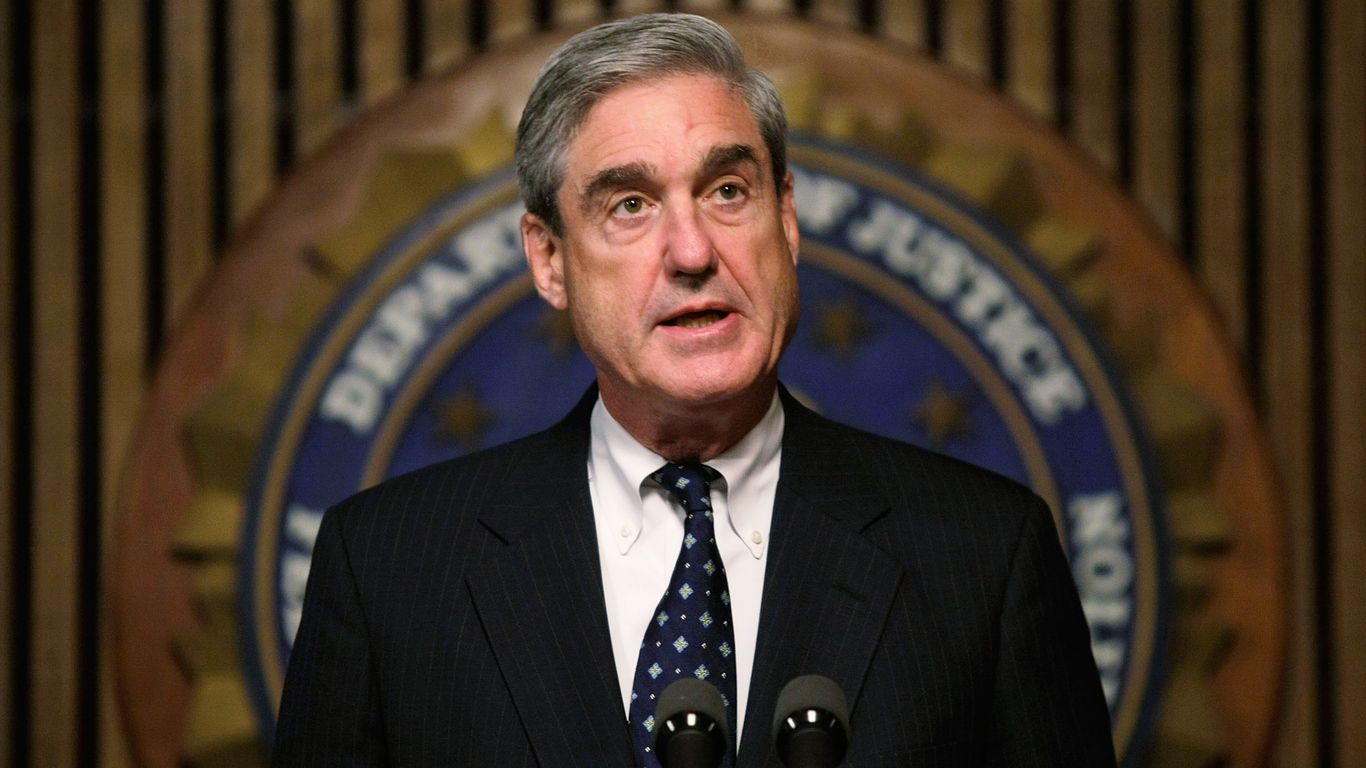
Robert Mueller, the former FBI director whose investigations into Russian interference in the 2016 election and the subsequent actions of former President Donald Trump became focal points of American political discourse, has passed away. The news of Mueller's death elicited a notable response from Trump, who took to his social media platform, Truth Social, to express his feelings. "Good, I'm glad he's dead. He can no longer hurt innocent people!" Trump posted, a statement that has stirred significant controversy and debate regarding the implications of his words and the broader context of their relationship.
Mueller's tenure as special counsel was marked by intense scrutiny and polarizing opinions. His investigation uncovered numerous instances of Russian interference in the electoral process and led to several indictments within Trump’s circle, ultimately culminating in a lengthy report that detailed various connections and potential obstruction of justice by the former president. While many viewed Mueller as a principled investigator upholding the law, others, including Trump and his supporters, saw him as an adversary who unfairly targeted the former president. Trump's reaction to Mueller's death reflects the culmination of this contentious relationship, emblematic of the deep divisions that have characterized American politics in recent years.
The fallout from Mueller’s investigation has left an indelible mark on the political landscape, influencing the Republican Party's trajectory and fueling ongoing discussions about accountability and justice in governance. Trump’s statement comes at a time when discussions about the legacy of the Mueller report continue to resonate, with many Americans still grappling with the implications of the findings. The reaction to Mueller’s death can be seen as a reflection of the polarized environment in which political figures often find themselves, navigating public sentiment that ranges from admiration to outright disdain based on perceived allegiances and actions.
In the wake of Mueller's passing, it is essential to consider the broader implications of such statements from prominent figures like Trump. They not only highlight the personal animosities that can arise in politics but also raise questions about the respect afforded to those who dedicate their lives to public service, regardless of one's political beliefs. As the nation processes this news, it serves as a reminder of the ongoing debates surrounding justice, accountability, and the moral responsibilities of leaders in a democracy. The legacy of Robert Mueller will likely continue to be a point of contention, reflecting the complexities of a nation still navigating the fallout from one of its most turbulent political eras.
Robert Mueller, who probed Trump as special counsel, dies at 81 - Axios