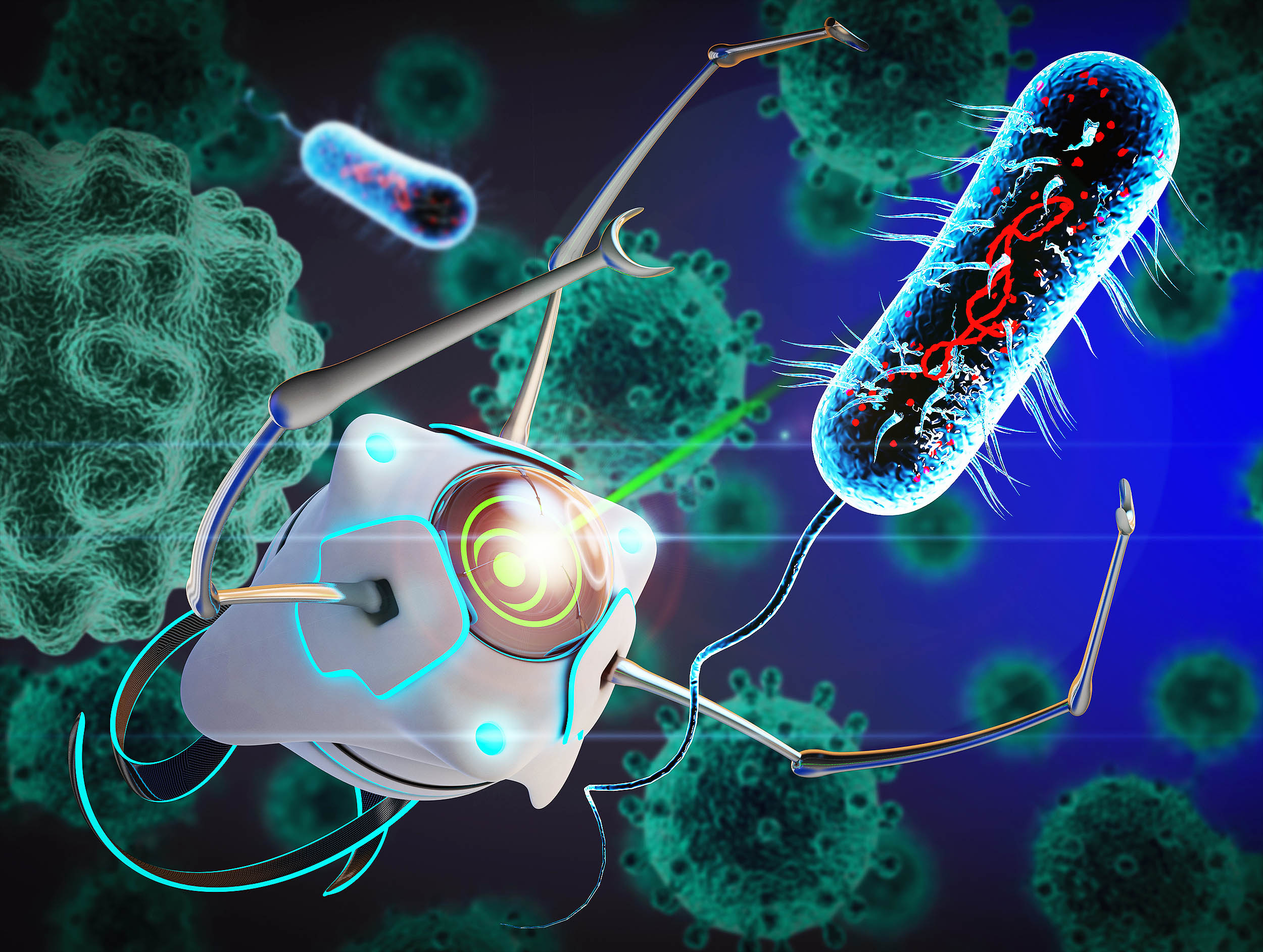
DNA is best known as the molecule that carries genetic information, serving as a blueprint for the development and functioning of living organisms. However, researchers are beginning to explore an innovative application of DNA beyond its biological significance – using it as a building material for constructing robots. This emerging field of study, known as DNA nanotechnology, harnesses the unique properties of DNA to create intricate structures and devices at the nanoscale. By taking advantage of DNA's ability to self-assemble, scientists can design complex frameworks that can perform various functions, potentially revolutionizing fields ranging from medicine to engineering.
One of the most fascinating aspects of DNA nanotechnology is its precision. DNA molecules can be engineered to bind to each other in highly specific ways, allowing for the creation of stable structures with exact dimensions and shapes. Researchers have successfully constructed DNA origami, where strands of DNA are designed to fold into predetermined shapes, such as geometric figures or even more complex structures like nanorobots. These DNA-based devices can be programmed to respond to specific stimuli, such as environmental changes or the presence of certain molecules, offering exciting possibilities for applications in targeted drug delivery systems or biosensing platforms that can detect diseases at an early stage.
Moreover, the use of DNA as a building material presents significant advantages over traditional methods of robotics and materials science. DNA is abundant, inexpensive, and biocompatible, making it an ideal candidate for developing materials that can interact seamlessly with living systems. Researchers envision that DNA-based robots could be deployed within the human body, performing tasks such as repairing damaged tissues, delivering drugs to specific cells, or even diagnosing illnesses at the molecular level. This could lead to a new era of minimally invasive medical procedures, where treatments are delivered with unprecedented precision and efficiency.
As scientists continue to explore the potential of DNA as a versatile building material, the implications for various industries are profound. From bioengineering to environmental remediation, the applications of DNA nanotechnology are vast and varied. For instance, DNA-based robots could be designed to target and break down pollutants in the environment, contributing to efforts in sustainability and conservation. Furthermore, the integration of DNA with other materials, such as metals or polymers, could lead to innovative hybrid systems that combine the best of both worlds. As research progresses, the future could see a new generation of smart materials and devices that not only mimic biological processes but also enhance our capabilities in technology and medicine.
Scientists are building 'intelligent' DNA robots that travel in the bloodstream to seek and destroy cancer and viruses - Earth.com