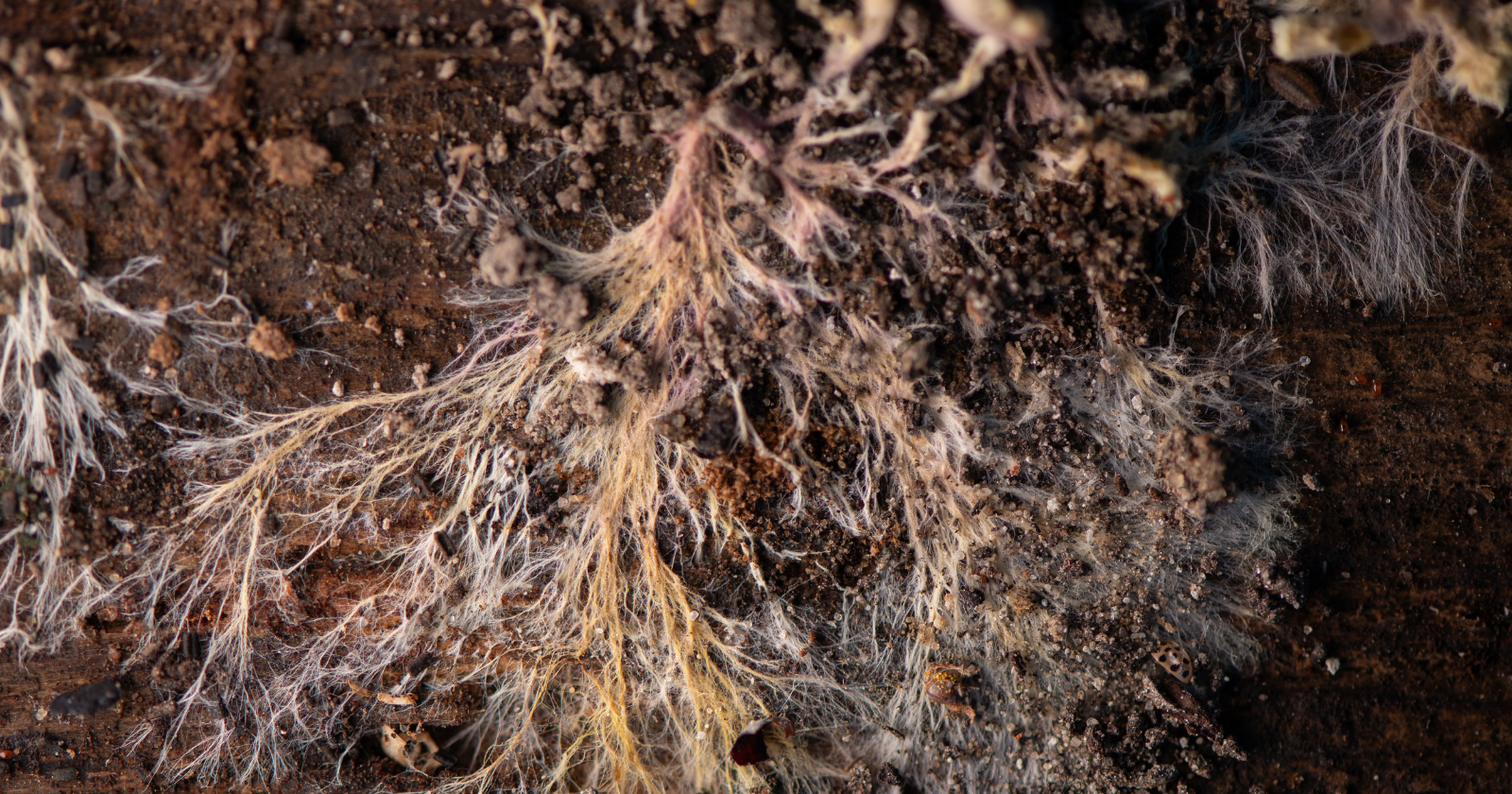
In a teaspoon of healthy soil, there can be up to 10 meters of living fungal threads, a staggering representation of the intricate and vital role that fungi play within our ecosystems. These threads, primarily composed of mycelium, form the fundamental structure of a vast underground network that connects plants in a symbiotic relationship known as mycorrhiza. This relationship is crucial for plant health and growth, as the mycelium extends the root systems of plants, helping them to absorb essential nutrients such as phosphorus, nitrogen, and other trace minerals from the soil. This symbiosis not only enhances plant nutrient uptake but also improves water retention and resilience against drought, making it a key factor in the productivity of various ecosystems, from grasslands to forests and tundras.
Scaling this phenomenon across the globe reveals a staggering total length of arbuscular mycorrhizal fungi, which can be measured in millions of kilometers. In fact, these fungal networks can be so extensive that they rival the length of the Earth's circumference multiple times over. This vast network plays an indispensable role in maintaining soil health and fertility, acting as a natural fertilizer and ensuring that nutrients are efficiently distributed among plant populations. Moreover, mycorrhizal fungi contribute to soil structure, promoting aeration and reducing soil erosion, which are critical for sustaining diverse ecosystems. Without these fungi, many plant species would struggle to survive in nutrient-poor soils, leading to reduced biodiversity and compromised ecosystem function.
The implications of this fungal network extend beyond the immediate benefits to plants and the environment; they also have profound impacts on agricultural practices and food security. Farmers and agricultural scientists are increasingly recognizing the importance of maintaining healthy soil microbiomes, including mycorrhizal fungi, to enhance crop yield and resilience. By adopting practices such as reduced tillage, cover cropping, and organic amendments, farmers can promote the growth of beneficial fungi in the soil. This not only supports sustainable agricultural practices but also helps mitigate the adverse effects of climate change by sequestering carbon in the soil and reducing the need for chemical fertilizers, which can lead to soil degradation and water pollution.
Furthermore, the intricate relationships between plants and mycorrhizal fungi also highlight the importance of biodiversity in ecosystem health. Each species of plant may interact with different mycorrhizal fungi, and the diversity of these relationships can enhance ecosystem stability and resilience. As human activities continue to threaten natural habitats through deforestation, urbanization, and climate change, understanding and preserving these fungal networks becomes increasingly critical. Conservation efforts that consider the role of mycorrhizal fungi can help restore ecosystems, enhance soil health, and ensure the sustainability of our planet's resources. Thus, the tiny teaspoon of soil becomes a window into the vast and complex web of life that sustains our environment, reminding us of the interconnectedness of all living organisms and the ecosystems they inhabit.
Scientists mapping the underground fungal networks that link tree roots estimate the threads stretch for 110 quadrillion kilometres worldwide, enough that laid end to end they would reach from Earth to the Sun nearly a billion times - Space Daily