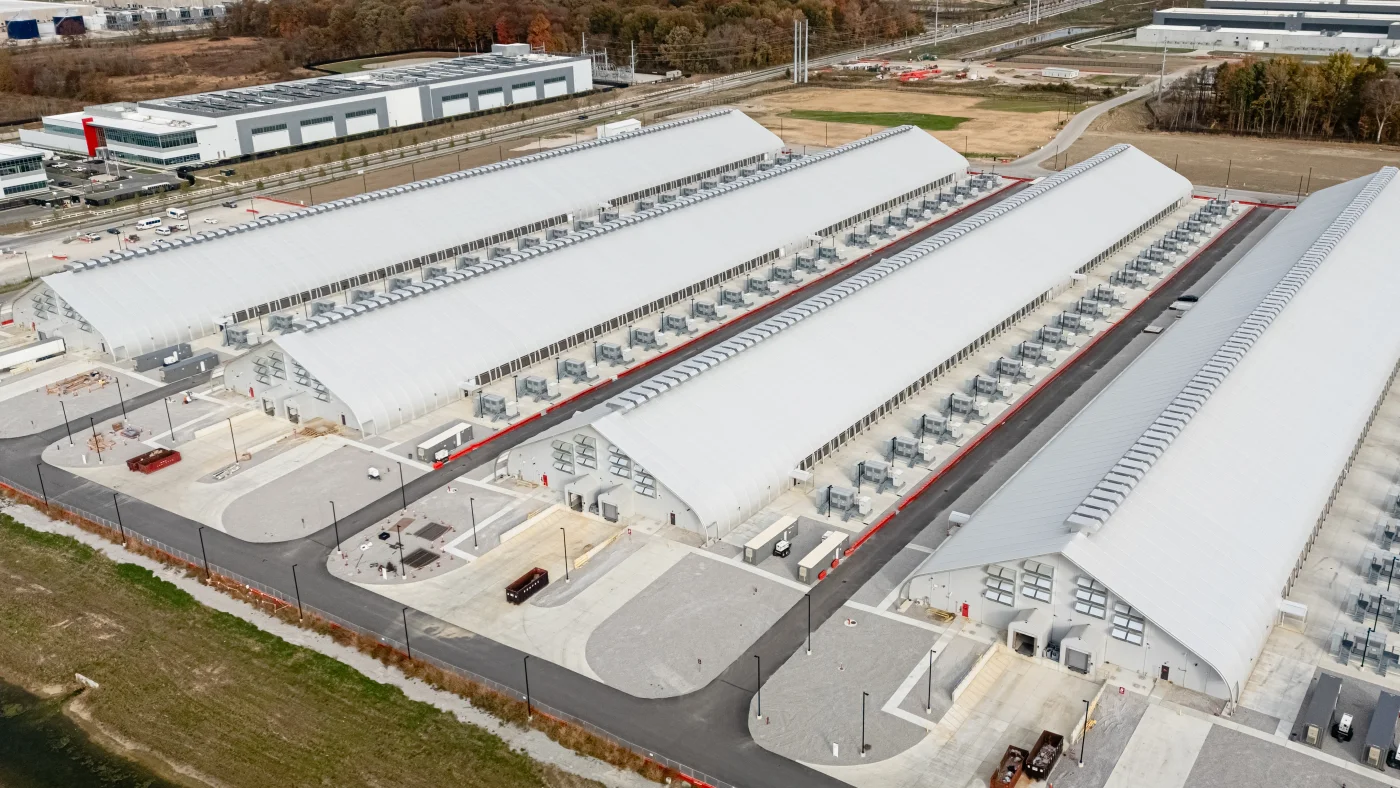
As Americans grapple with the impact of rising energy costs, the urgency for innovative solutions has never been more pronounced. The increasing demand for energy, particularly driven by advancements in artificial intelligence (AI), has put significant pressure on the nation’s energy infrastructure. With AI technologies requiring substantial computational power and data processing capabilities, the energy sector faces unique challenges in meeting this surging demand. These challenges have prompted lawmakers to take action, recognizing that a streamlined approach to energy production and distribution is essential in navigating this complex landscape.
In response to these challenges, the Senate took a significant step on Thursday by passing a bipartisan bill aimed at expediting the approval process for data centers and related energy projects. This legislation is designed to facilitate the rapid deployment of infrastructure necessary to support the growing needs of AI and other data-intensive industries. By reducing bureaucratic red tape and accelerating the permitting timeline for energy projects, the bill seeks to create a more efficient pathway for investments in renewable energy sources and modern energy infrastructure. This initiative not only addresses the immediate needs of the AI sector but also aligns with broader goals of sustainability and energy independence.
The bipartisan nature of the bill reflects a growing recognition across party lines that energy security is a critical issue for the American public. Senators from both sides of the aisle have expressed concern about the implications of rising energy costs on families and businesses. By working together to craft this legislation, lawmakers are signaling their commitment to finding practical solutions that can mitigate the financial burden on consumers while also promoting economic growth. The collaboration indicates a shift towards a more unified approach in tackling energy challenges, emphasizing the importance of bipartisan support in addressing pressing national issues.
As the bill moves forward, it is expected to face scrutiny and debate as stakeholders assess its potential impact on local communities, environmental standards, and the overall energy landscape. Advocates argue that by facilitating the construction of new data centers and renewable energy projects, the bill could lead to job creation and stimulate local economies. However, critics raise concerns about the potential environmental implications of hastily approved projects, urging for a balanced approach that prioritizes sustainable practices. Ultimately, the successful implementation of this legislation will require ongoing dialogue among lawmakers, industry leaders, and community members to ensure that the nation’s energy future is both economically viable and environmentally responsible.
Senate passes bipartisan energy bill amid environmental concerns - NPR