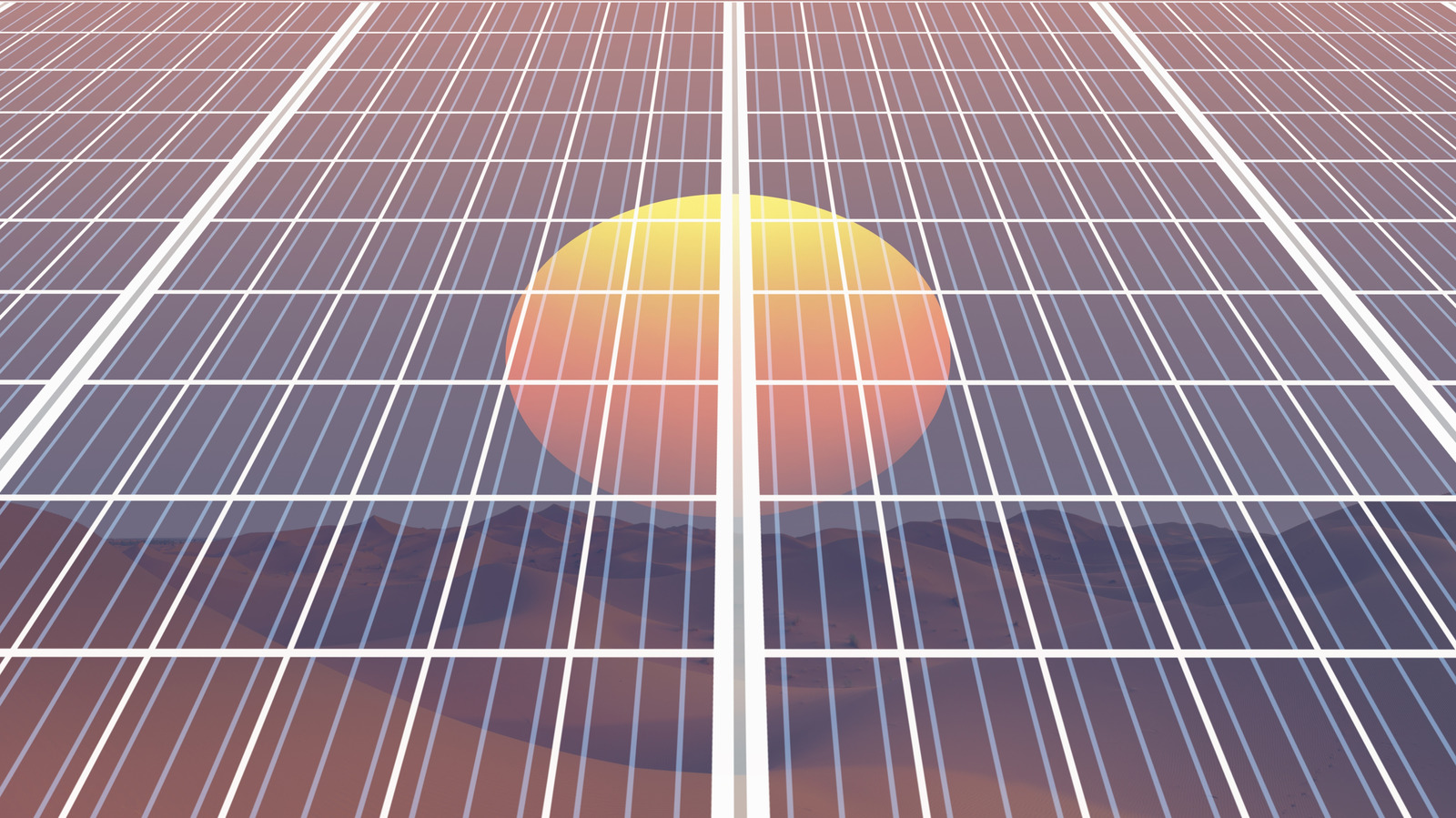
When picturing the Sahara Desert, many people envision a vast expanse of endless sand dunes, punctuated by the occasional rocky outcrop or sparse vegetation. This iconic landscape is often accompanied by striking blue skies and a blazing sun, creating an image of a harsh yet breathtaking environment. Given its abundant sunlight and extensive land area, the Sahara seems like the ideal candidate for solar energy projects. In fact, the notion of establishing large solar farms in this region has been proposed as a viable solution to harness renewable energy. However, climate scientists have uncovered complexities that challenge this seemingly straightforward idea.
One of the primary concerns regarding solar farms in the Sahara is the region's unique climatic conditions. Although the desert receives significant sunlight, it also experiences extreme temperature fluctuations, particularly between day and night. During the scorching daytime, temperatures can soar well above 40 degrees Celsius (104 degrees Fahrenheit), while at night, they can plummet to near freezing. These extreme variations can impact the efficiency and longevity of solar panels, which are designed to operate within specific temperature ranges. Additionally, the frequent dust storms and sand accumulation pose a threat to the operational efficiency of solar panels, potentially requiring frequent maintenance and cleaning, which could offset some of the benefits of generating renewable energy in such a region.
Moreover, the ecological implications of large-scale solar installations in the Sahara must also be considered. The desert is home to a variety of specialized flora and fauna that have adapted to its harsh conditions. The introduction of extensive solar farms could disrupt local ecosystems, leading to habitat destruction and loss of biodiversity. This raises ethical questions about balancing the urgent need for renewable energy solutions with the responsibility to protect vulnerable ecosystems. As climate change continues to push the planet towards more extreme weather patterns, the preservation of these unique habitats becomes even more critical.
In light of these challenges, researchers and policymakers are exploring alternative approaches to harness solar energy that could be more effective and environmentally friendly. Innovations in solar technology, such as solar panels that can self-clean or materials that withstand extreme temperatures, could help mitigate some of the concerns associated with solar farms in the Sahara. Furthermore, decentralized energy solutions, such as solar microgrids, could provide a more sustainable and less intrusive way to harness solar energy in arid regions without the ecological footprint of large-scale installations. As the global community continues to search for effective means of combating climate change, the Sahara Desert remains a focal point for both the potential and the complexities of renewable energy development.
Solar Farms In The Sahara Might Have An Unexpected Effect On The Global Climate - BGR