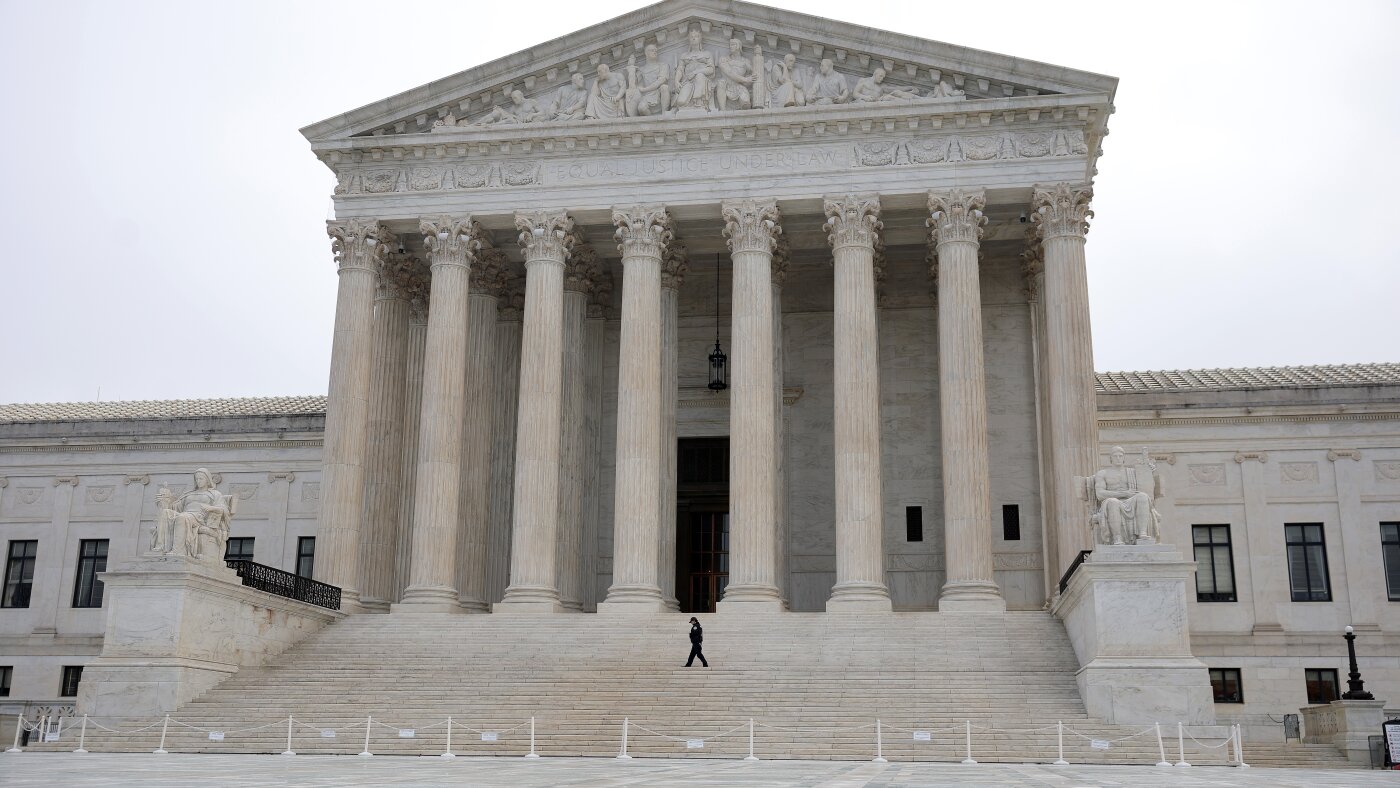
Stay up to date with our Politics newsletter, sent weekly. In an era of evolving social norms and heightened awareness of mental health issues, the subject of conversion therapy has become a contentious topic, especially regarding its legal status. The Supreme Court's recent ruling on Colorado's law banning conversion therapy has brought this issue to the forefront of national discourse. By determining that the law "regulates speech based on viewpoint," the Court has ignited a broader debate about the balance between protecting individuals from potentially harmful practices and upholding First Amendment rights. This decision not only impacts the state of Colorado but also sets a precedent that could influence similar laws across the United States.
The practice of conversion therapy, which aims to change an individual's sexual orientation or gender identity, has been widely discredited by major medical organizations, including the American Psychological Association and the American Medical Association. Critics argue that such practices can lead to severe psychological harm, including depression, anxiety, and suicidal ideation. Advocates for the ban on conversion therapy maintain that it is a necessary measure to protect vulnerable populations, particularly LGBTQ+ youth, from harmful and outdated ideologies. However, the Supreme Court's ruling emphasizes the complexity of legislating against practices that involve deeply held beliefs and personal convictions, raising questions about how far the government can go in regulating what some consider to be religious or philosophical speech.
In the wake of the Supreme Court's decision, various states may reconsider their own laws regarding conversion therapy, prompting a patchwork of regulations that could vary widely across the country. Some states have enacted bans on the practice, while others have remained silent or even supportive of its continuation. This ruling may encourage advocates on both sides of the issue to mobilize and push for legislation that aligns with their beliefs, potentially leading to increased polarization in local and state politics. As the landscape of LGBTQ+ rights continues to evolve, the implications of this ruling will likely resonate beyond the courtroom, affecting the lives of individuals seeking support and affirmation in their identities.
The ongoing discussion around conversion therapy and its legal status underscores the broader societal struggle to reconcile differing viewpoints on gender and sexuality. As public opinion shifts and more individuals come forward with their experiences, the conversation around mental health and the ethical implications of so-called "therapies" designed to change sexual orientation will continue to grow. The Supreme Court's ruling is a pivotal moment in this dialogue, highlighting the tension between safeguarding individual rights and ensuring public health. As we keep a close eye on these developments, it is crucial to engage in informed discussions that consider the well-being of all individuals affected by these practices.
Supreme Court strikes Colorado ban on conversion therapy - NPR