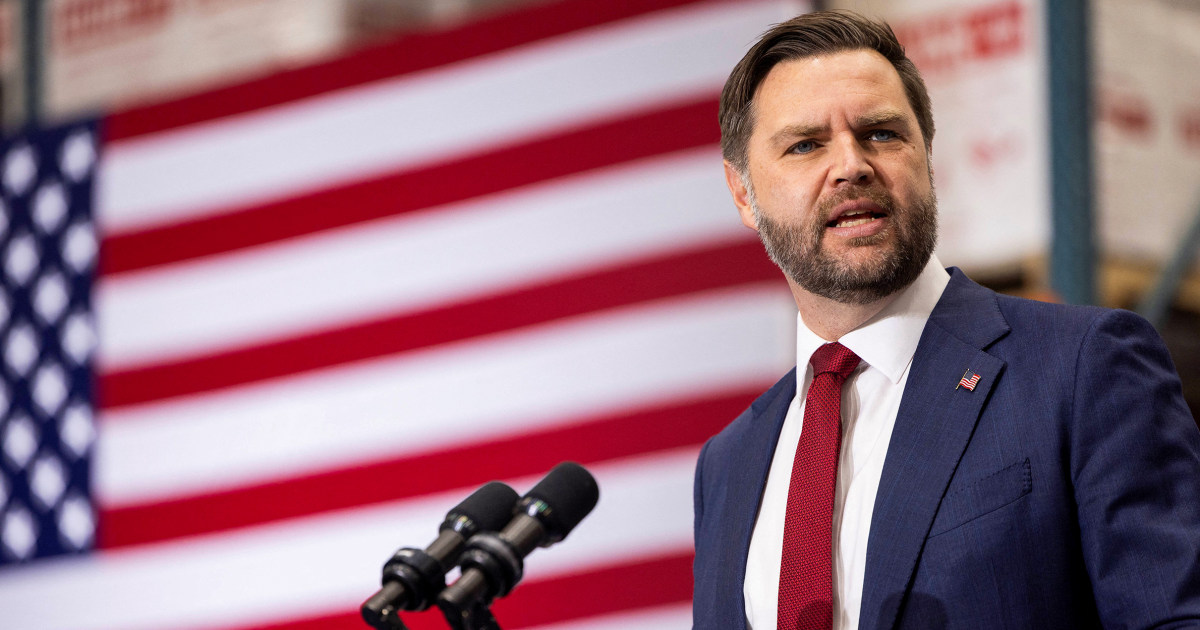
On Tuesday, the Supreme Court issued a landmark ruling that has significant implications for campaign finance in the United States, particularly regarding the spending limits imposed on national political party committees. The decision came in response to a challenge brought forth by Vice President JD Vance, who argued that the longstanding restrictions were outdated and hampered the ability of political parties to effectively compete in modern elections. This ruling marks a shift in the Court's approach to campaign finance regulation, reflecting an ongoing debate about the role of money in politics and the influence of large donors on electoral outcomes.
The Supreme Court's decision to strike down these campaign finance rules is rooted in a broader interpretation of free speech under the First Amendment. The majority opinion emphasized that spending money on political campaigns is a form of protected speech, and therefore, limitations on such spending infringe upon the fundamental rights of individuals and organizations to express their political views. This ruling could set a precedent for future cases concerning campaign finance, potentially leading to further deregulation of political contributions and expenditures. Critics of the decision argue that it may exacerbate the already significant influence of wealthy donors and special interest groups, leading to a political landscape that favors those with substantial financial resources over ordinary voters.
In the wake of the Supreme Court's ruling, national political party committees are expected to alter their fundraising strategies and spending practices to capitalize on the newfound flexibility. With the removal of spending limits, parties may have more resources at their disposal to engage voters, run advertisements, and mobilize grassroots efforts. However, the implications of this ruling extend beyond just the operational aspects of political parties; it also raises questions about the integrity of the electoral process. As campaign financing becomes increasingly dominated by affluent donors, concerns about transparency and accountability in political funding are likely to intensify.
As the nation moves forward from this pivotal decision, the dialogue surrounding campaign finance is expected to evolve. Lawmakers, advocacy groups, and the public will now have to reckon with the consequences of a system that may increasingly prioritize financial clout over equitable representation. The ruling has reignited discussions about the need for comprehensive campaign finance reform, as many fear that without appropriate measures in place, the democratic process could be undermined by the overwhelming influence of money in politics. As the 2024 elections approach, the implications of this ruling will undoubtedly be a focal point of debate among candidates, political analysts, and citizens alike, shaping the future of campaign finance in America.
Supreme Court strikes down long-standing campaign finance restrictions - NBC News