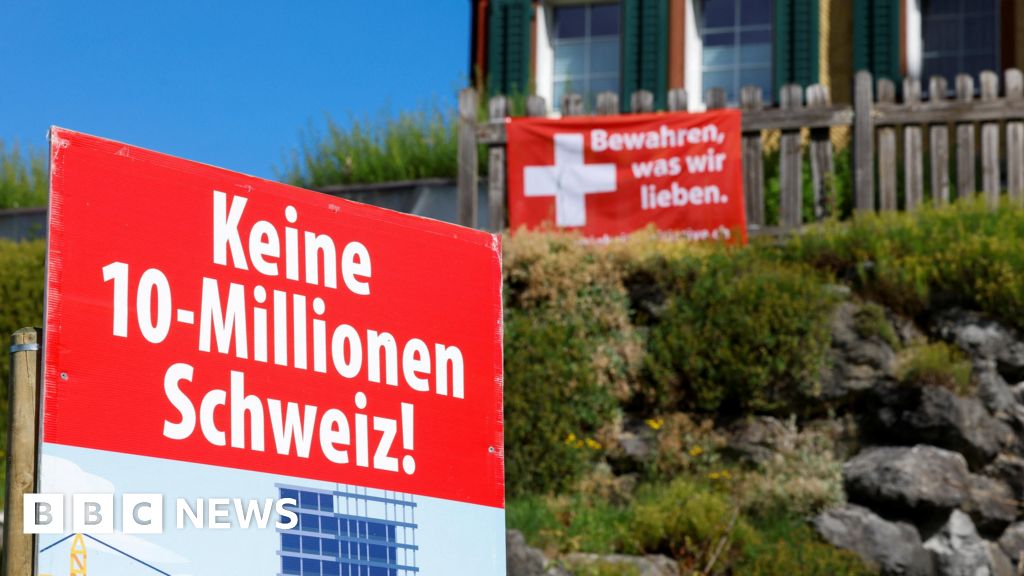
What the Swiss voters have shown, however, is that many of them may be weary of the People's Party's continued focus on immigration as the source of Switzerland's problems. Over recent years, the Swiss political landscape has been dominated by debates surrounding immigration and its perceived impact on the nation. The People's Party, known for its strong anti-immigration stance, has consistently highlighted immigration as a key issue, suggesting that it leads to social and economic challenges. However, the recent electoral outcomes indicate a shift in public sentiment, as voters appear to be seeking solutions to a broader range of issues that go beyond immigration alone.
The fatigue with the People's Party's singular focus on immigration reflects a growing concern among the electorate about various pressing matters, including the economy, healthcare, and climate change. Many voters are beginning to recognize that while immigration can be a factor in societal challenges, it is not the root cause of all the difficulties the nation faces. As Switzerland grapples with rising living costs, environmental issues, and the need for sustainable growth, voters are increasingly looking for comprehensive policies that address these concerns holistically. This shift suggests a desire for political leaders to engage in more nuanced discussions rather than relying on simplistic narratives that may serve to polarize rather than unite.
Moreover, the waning effectiveness of the People's Party's immigration rhetoric could signal a broader transformation in Swiss political culture. Voters seem inclined to evaluate candidates and parties based on their ability to propose constructive solutions rather than on their capacity to instigate fear or division. This changing dynamic places pressure on traditional political parties to adapt their messaging and policy priorities to better align with the contemporary concerns of the electorate. As public opinion evolves, it is crucial for political leaders to listen to the voices of their constituents and to respond with policies that resonate with the diverse experiences and challenges faced by the populace.
In conclusion, the recent voter sentiment in Switzerland highlights a critical juncture for the People's Party and the broader political landscape. As citizens become increasingly disillusioned with a narrow focus on immigration, there is an opportunity for political parties to broaden their platforms and engage with a wider array of issues. Embracing a more inclusive and comprehensive approach to policymaking may not only restore voter confidence but also help forge a path toward a more cohesive and forward-thinking society. The upcoming elections will be a significant test for all parties as they navigate these shifting dynamics and seek to address the multifaceted challenges that define contemporary Switzerland.
Swiss vote against proposal to cap population at 10 million by cutting migration, projections say - BBC