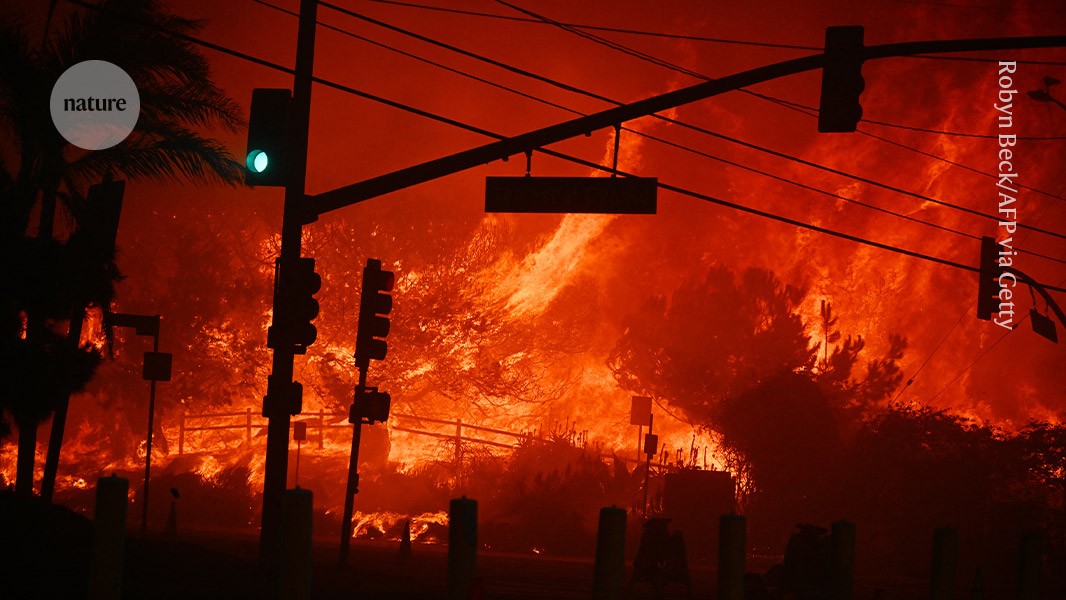
The past 11 years have been marked by unprecedented heat, with scientific data indicating that this period represents the hottest on record. Notably, 2025 is projected to be either the second or third hottest year since the commencement of systematic temperature observations. This alarming trend is detailed in a comprehensive report released today by the World Meteorological Organization (WMO), which underscores the urgency of addressing climate change and its far-reaching impacts on the planet. The WMO's findings serve as a clarion call for global action, highlighting the need for immediate and sustained efforts to mitigate the effects of rising temperatures.
The report draws attention to the alarming acceleration of global warming, which is primarily attributed to human activities, particularly the burning of fossil fuels, deforestation, and industrial processes that release greenhouse gases into the atmosphere. As a result, the Earth's average surface temperature has increased significantly, leading to a cascade of environmental changes. These include more frequent and severe heatwaves, shifting weather patterns, and increased occurrences of extreme weather events such as hurricanes, droughts, and floods. The WMO emphasizes that these changes not only threaten natural ecosystems but also pose severe risks to human health, food security, and economic stability.
In response to these findings, the WMO calls for immediate and cohesive international action to combat climate change. The report emphasizes the importance of adhering to the goals set forth in the Paris Agreement, which aims to limit global warming to well below 2 degrees Celsius above pre-industrial levels. It also advocates for increased investments in renewable energy sources, enhanced energy efficiency, and the implementation of sustainable practices across various sectors. By fostering collaboration among nations, businesses, and communities, the WMO believes that it is possible to curb emissions and adapt to the inevitable changes already underway in the climate system.
Looking ahead, the implications of the WMO's report cannot be overstated. As temperatures continue to rise, the need for proactive measures becomes increasingly critical. This includes not only mitigating climate change but also adapting to its impacts through resilient infrastructure, improved disaster preparedness, and sustainable agricultural practices. The report is a stark reminder that the choices made today will shape the future of our planet, and it urges governments, organizations, and individuals to take decisive action to combat climate change and protect the environment for future generations.
The world just lived through the 11 hottest years on record — what now? - Nature