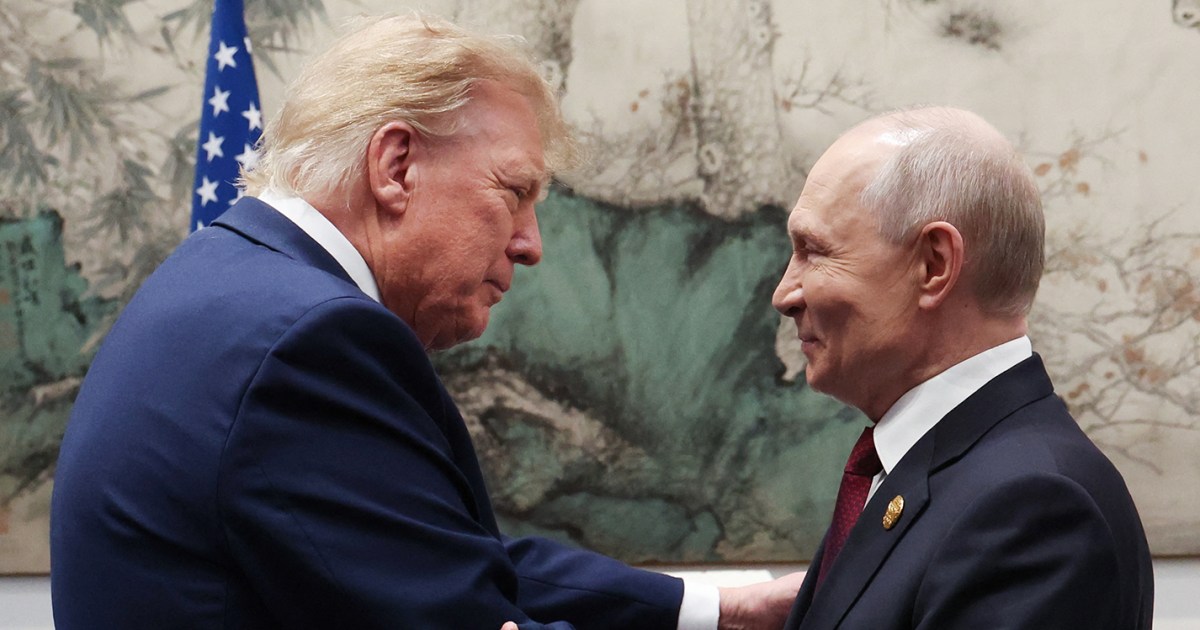
In February 2022, Russian President Vladimir Putin escalated tensions in Eastern Europe by launching a full-scale invasion of Ukraine, marking a significant turning point in the region's geopolitical landscape. This aggressive military action was met with widespread condemnation from the international community, leading to severe economic sanctions against Russia and a united front of support for Ukraine. The invasion not only sparked a humanitarian crisis, displacing millions of Ukrainians, but also raised concerns over the stability of Europe, prompting NATO and EU countries to reassess their defense strategies and diplomatic relations with Moscow. The conflict has highlighted the fragility of international norms surrounding sovereignty and territorial integrity, as nations grapple with the implications of Russia's blatant disregard for these principles.
In March 2023, the International Criminal Court (ICC) issued an arrest warrant for Putin, charging him with war crimes related to the ongoing conflict in Ukraine. The allegations include the unlawful deportation of Ukrainian children and attacks on civilian infrastructure, which have been documented extensively by human rights organizations and independent observers. The ICC's decision to pursue charges against a sitting head of state represents a significant moment in international law, emphasizing accountability for actions taken during wartime. This development not only underscores the gravity of the situation in Ukraine but also places additional pressure on Putin's regime, as he faces the possibility of international isolation and legal repercussions.
As the war continues, Putin's administration has been accused of orchestrating a yearslong campaign of aggression not only against Ukraine but also against democratic institutions worldwide. Russia's interference in foreign elections, disinformation campaigns, and support for authoritarian regimes have raised alarms among Western democracies, prompting a reevaluation of security and intelligence-sharing frameworks. This broader campaign of aggression is perceived as a direct challenge to the post-World War II international order, with many arguing that it seeks to undermine the principles of democracy and self-determination that have been foundational to global peace and stability. The implications of this strategy extend beyond Ukraine, as countries around the world reassess their relationships with Russia and bolster their defenses against potential incursions.
In response to the invasion and the international backlash, Ukraine has rallied support from its allies, receiving military aid, economic assistance, and humanitarian support from a coalition of nations. The resilience of the Ukrainian people has become a symbol of resistance against tyranny, inspiring solidarity movements across the globe. As the conflict drags on, questions about the long-term implications for Russia's future and its relationship with the West remain at the forefront of geopolitical discussions. The potential for peace talks and the prospects of a negotiated settlement seem distant, yet the international community's commitment to supporting Ukraine signifies a collective determination to uphold the values of sovereignty and human rights in the face of aggression. Ultimately, the resolution of this conflict will shape not only the future of Ukraine but also the global order for generations to come.
Trump calling Putin ‘my friend’ at APEC summit sparks backlash - NBC News